


TIGER CONSERVATION AND CARBON CREDITS

In recent years, environmental headlines have increasingly revealed a powerful truth: protecting wildlife is not just about saving species, it is also about safeguarding the planet’s climate. A striking example came from a study highlighted in The Times of India, which reported that India’s tiger conservation efforts have generated carbon benefits worth nearly ₹769 crore.
At first glance, this may sound surprising. After all, tigers do not absorb carbon dioxide — trees do. Yet the connection between tiger conservation and climate protection is both logical and profound.
The Forests Behind the Tigers
Tigers are apex predators and umbrella species. To sustain healthy tiger populations, vast tracts of forest must be protected. When governments invest in tiger conservation, they also invest in preserving forests through anti-poaching patrols, habitat restoration, fire prevention, and restrictions on illegal logging and encroachment.
These forests perform one of Earth’s most vital ecological functions: they act as carbon sinks. Through photosynthesis, trees absorb carbon dioxide from the atmosphere and store it in their trunks, roots, leaves, and soils. When forests are destroyed, that stored carbon is released back into the atmosphere, contributing to climate change.
The study, published in Nature Ecology & Evolution, found that enhanced protection of India’s tiger reserves prevented significant forest loss between 2007 and 2020. By keeping these forests intact, India avoided the release of about 1.08 million tonnes of carbon dioxide. The economic value of this avoided climate damage was estimated at approximately ₹769 crore.
What Exactly Does ₹769 Crore Mean?
It is important to understand that this figure is not cash sitting in a government account. It represents the estimated economic value of climate damage avoided because the forests remained standing and continued storing carbon.
Researchers compared 45 tiger reserves with similar protected areas that did not receive the same level of tiger-focused protection. They found that tiger conservation policies reduced deforestation and preserved thousands of hectares of forest.
In simple terms, saving tigers helped save forests, and saving forests helped save the climate.
Could This Become Carbon Credits?
Potentially, yes. Carbon credits are generated when a project demonstrably prevents greenhouse gas emissions or removes carbon from the atmosphere. If a protected forest can prove that conservation efforts avoided deforestation, those avoided emissions may qualify for carbon credits under rigorous international standards.
Such credits could be sold in carbon markets, and the revenue could support conservation, habitat restoration, scientific monitoring, and local community development. However, this requires strict verification to ensure that the carbon savings are real, measurable, and long-lasting.

Why Nature-Based Climate Solutions Matter
The tiger conservation story highlights several advantages of nature-based climate solutions.
1. Multiple Benefits from One Action
Protecting forests delivers many benefits simultaneously:
- Carbon sequestration
- Biodiversity conservation
- Watershed protection
- Soil conservation
- Support for pollinators
- Ecotourism opportunities
- Livelihood benefits for local communities
2. Cost-Effective Climate Action
Protecting existing forests is often cheaper and more effective than trying to recreate them later through large-scale restoration. Mature forests already contain rich biodiversity and large carbon stocks.
3. Climate Resilience
Healthy forests regulate rainfall, recharge groundwater, reduce flood risks, and moderate local temperatures. In an era of intensifying climate extremes, these services are invaluable.
The Challenges and Criticisms
Despite their promise, conservation-based carbon projects are not without difficulties.
1. Measuring Carbon Accurately
Estimating how much carbon is truly saved requires complex scientific modelling. Critics often question whether all claimed benefits can be directly attributed to a specific conservation project.
2. Permanence Risks
Forests are vulnerable to wildfires, droughts, illegal logging, and climate-related disturbances. Carbon stored today may not remain stored forever.
3. Community Concerns
Conservation must respect the rights and livelihoods of local communities. Successful projects increasingly rely on community participation and benefit-sharing rather than exclusionary approaches.
4. Human–Wildlife Conflict
As tiger populations recover, interactions between people and wildlife can increase. Managing conflict is essential for maintaining public support for conservation.
5. Beyond Monetary Value
Not every ecological value can or should be reduced to rupees or carbon credits. Forests matter not only because they store carbon, but because they sustain life, culture, beauty, and biodiversity.
A Lesson for Gardeners and Horticulturists
For readers of a horticultural e-magazine, the tiger story offers an important insight. Whether we cultivate a home garden, maintain an urban park, restore a degraded landscape, or protect a tiger reserve, we are participating in the same larger ecological mission: strengthening Earth’s living systems.
The processes that sustain a rose garden or a fruit orchard — healthy soils, pollinators, water cycles, biodiversity, and carbon storage — are the same processes that sustain forests and wildlife habitats.
Every tree planted contributes. Every forest protected contributes even more.
The Bigger Picture
For decades, biodiversity conservation and climate action were often treated as separate goals. Modern science increasingly shows they are deeply interconnected. Forests rich in wildlife are often resilient carbon sinks, and protected landscapes can simultaneously preserve biodiversity and stabilize the climate.
India’s tiger reserves are a powerful example of this convergence. Created primarily to save an iconic species from extinction, they have also delivered substantial climate benefits for society.
The tiger, therefore, is more than a symbol of wilderness. It is a reminder that when we protect nature, nature protects us in return.

GARDENING JOBS IN JULY
July is the monsoon month. One of the best and awaited months for gardeners. Plants will look clean, happy and healthy. Following to be kept in mind by the gardeners.
- The lawn mower should be raised in order to keep plenty of foliage on the grass to enable it to contend with excessive moisture.
- Reduce irrigation of lawns to a minimum.
- You can apply lime to the lawn.
- You can give dressing of well rotted manure.
- The vegetable garden,flower borders,etc, should be planted with monsoon flowers and vegetables.
- Excessive growth of climbers must be thinned out and all dead wood removed.
- Avoid over watering foliage and chrysanthemum in pots .
- Protect chrysanthemum plants in pots and bulbs of dahlia .
- Sow the seeds of cassia, gulmohar etc.
- Cutting of Acalypha , Bougainville,Jasmine etc can be taken now for new plants .
- Suspend irrigation of Roses and shrubs .
- Cannas should be replanted .
Hope you all have finished repotting of your evergreen ornamentals. There are certain precautions required like apply fungicide, such as Trichoderma on all plants.
Check the holes of your pots if they are clogged then open them.
If you keep your plants out to enjoy the rains but make sure to put them inside otherwise you will have sun scorched leaves.
Trim your plants like creepers and vines. Excessive growth of vigorous shrubs should be restricted by careful pruning.
Ficus hedges can also be thinned and cleaned.
Rain Lilies
- Rain lilies can be planted any time of the year but they flower during rains.Their sprouting is promoted by rain water.
- Plant Rain lilies in well drained and rich soil and should be kept in full sun. Light pink lilies bloom even after 7 to 10 days of planting.
- Apricot and yellow bloom from June to August Lemon and deep pink are last to bloom. August to October is the time when all bloom simultaneously.
- Don’t plant one bulb in a pot but 10 bulbs in a 6in pot look beautiful.
- Some rain lilies bear seeds which can be taken and sown for more plants though they will take almost 2yrs to bloom.
- You can also cross pollinate to get your own new hybrids if you have different colours blooming at same time.
Propagation:
Time for grafting,layering and cuttings to increase your collection is now. Cut all overgrown plants and dip in root hormone /cinnamon powder and plant them in sand to make new plants.
Plants which can be propagated through cuttings are:
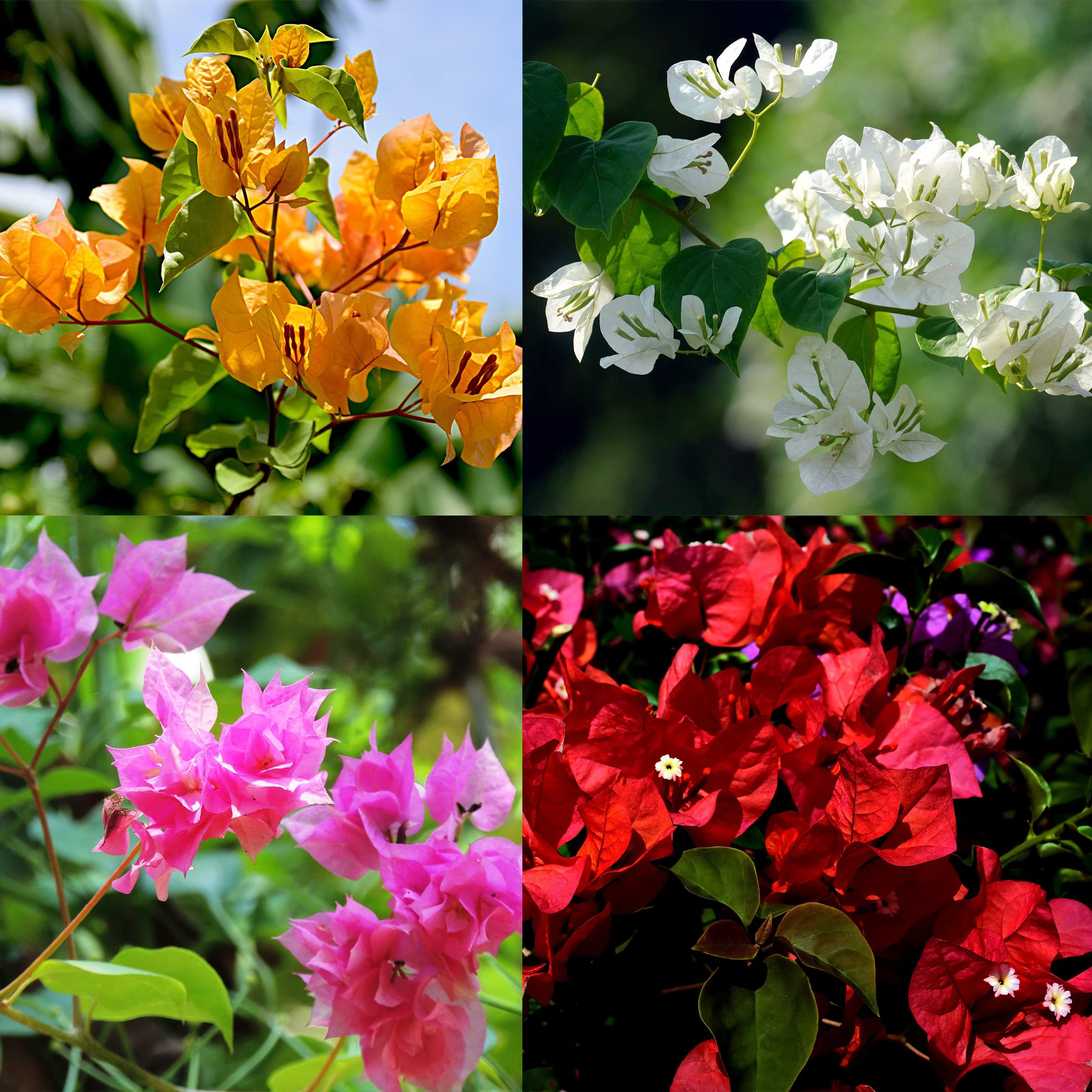
- Bougainvillaea
- Dracena
- Croton
- Aralia
- Syngoniums
- Pothos
- Schefflera
- Ficus
- Eranthemum
- Enermi
- Alternanthera
- Etc
Following to be kept in mind:
- Plants develop roots due to high humidity in the atmosphere.
- Do keep an eye on rotting.
- Keep on feeding your water lilies.
- Reduce irrigation of lawns to a minimum.
- Avoid overwatering foliage plants and protect chrysanthemums geraniums and kalanchoes in pots.If necessary protect them from excessive and continuous rainfall.
- Suspend irrigation of Roses.
- Beds and pots should be planted with monsoon flowering annuals like Balsams ,cosmos ,celosia morning glories.
- Lawns can be given an application of lime and dressing of manure.
- All perennial and fruit trees can be planted now.
Vegetables which can be grown in Jul:
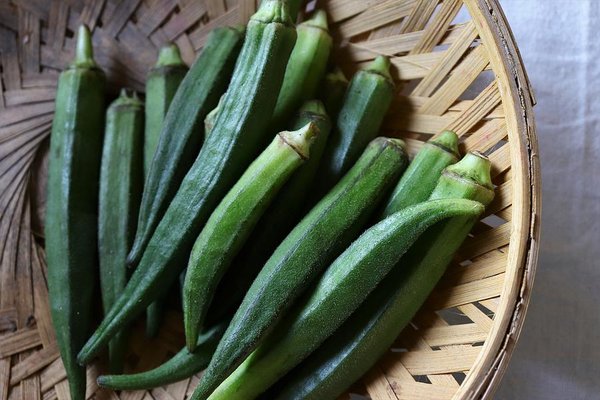
- You can grow monsoon Radish, Coriander, capsicum, bhindi
- Beetroot
- Brinjal
- Bottle gourd
- Bitter gourd
- Chilli
- Cucumber
- Maize
- Cholai
- Beans
- Lobia
- Palak
- Pumpkin
- Malabar Spinach
- Ridge gourd
- Tomatoes.
- But be careful on direct sowing seeds. Cover the seeds with inverted plastic bottles.
- Remove the bottles when the seedlings are strong.
- Or grow seeds inside under protection.
Fruit Trees
Trees which have finished with fruiting can be pruned now and later fertilised .
New plants /trees can be planted.Water on alternate days.
Apply appropriate fungicide and insecticide .
(Carbaryl) 2gms/lt.
Bigger trees should be painted with lime or geru to protect them from fungus and pests.
Happy Gardening.
Rama Tyagi
tyagirama1@gmail.com.
.
Know Your Aquatic Plants
Aquatic plants do much more than beautify a water body. Whether growing in an aquarium, garden pond, water garden, or natural wetland, they play a vital role in maintaining ecological balance. They oxygenate water, absorb excess nutrients, provide shelter to aquatic animals, and create a more natural environment. Understanding the different types of aquatic plants and their growing requirements can help hobbyists and gardeners make informed choices for healthy aquatic ecosystems.
Aquatic plants are generally classified into four categories: submerged, floating, marginal, and deep-water plants.
Submerged plants grow entirely underwater and are often referred to as oxygenating plants. Popular examples include Hornwort, Anacharis, Vallisneria, and Cabomba. These plants absorb nutrients directly from the water and release oxygen during photosynthesis, helping maintain water quality. In aquariums, they provide hiding places for fish and fry, while in ponds they help reduce algae by competing for nutrients.
Floating plants remain on the water surface with roots hanging freely below. Species such as Water Lettuce, Frogbit, Duckweed, and Salvinia are widely used in ponds and outdoor water gardens. Their leaves create shade, reducing water temperature and limiting algae growth. However, because many floating plants grow rapidly, regular thinning is necessary to prevent them from covering the entire water surface.

Marginal plants grow along the edges of ponds and wetlands, with their roots submerged and foliage above water. Popular examples include Canna, Pickerel Weed, Iris, and Cyperus. These plants create a natural transition between land and water while providing habitat for insects, frogs, and other wildlife. Their attractive flowers and foliage make them valuable landscape plants in ornamental ponds.

Deep-water plants are rooted in the pond bottom but produce leaves and flowers on the surface. Water Lilies and Lotus are among the most famous examples. Besides their stunning blooms, these plants provide shade that helps stabilize water temperatures and creates a sense of tranquility in water gardens.
Successful aquatic plant cultivation begins with understanding their basic needs. Light is one of the most important factors. While some species such as Anubias and Java Fern tolerate low light, many aquatic plants require moderate to bright conditions for healthy growth. Outdoor ponds usually receive adequate sunlight, but indoor aquariums often depend on artificial lighting.
Nutrients are equally important. Root-feeding plants such as Amazon Sword and many Water Lilies benefit from nutrient-rich substrates or root fertilizers. Water-column feeders like Hornwort and Anacharis absorb nutrients directly from the surrounding water and respond well to liquid fertilizers. Providing the correct nutrients ensures vibrant growth and healthy foliage.
Water quality also plays a major role. Most aquatic plants prefer stable conditions and clean water. Sudden fluctuations in temperature, pH, or nutrient levels can cause stress, leading to yellowing leaves or poor growth. Regular maintenance, water changes, and removal of decaying plant material help create a healthier environment.
One common mistake among beginners is selecting plants without considering their growth habits. Fast-growing species such as Duckweed and Hornwort can quickly dominate a pond or aquarium if left unmanaged. Conversely, slow-growing plants like Anubias and Lotus require patience but often reward growers with long-lasting beauty and minimal maintenance.
For those new to aquatic gardening, hardy species such as Vallisneria, Java Fern, Hornwort, Water Lettuce, and Water Lilies are excellent starting points. They adapt well to a range of conditions and provide an opportunity to learn the fundamentals of aquatic plant care.
Aquatic plants are far more than decorative additions. They are living components of a balanced ecosystem, contributing to water quality, biodiversity, and visual appeal. By understanding the different types of aquatic plants and their requirements, hobbyists can create thriving aquariums, ponds, and water gardens that remain healthy and beautiful throughout the year.
Feeding Aquatic Plants
Like terrestrial plants, aquatic plants require nutrients to grow and remain healthy. The primary nutrients are nitrogen, phosphorus, and potassium, while micronutrients such as iron and magnesium support healthy foliage and flowering. Some species absorb nutrients mainly through their roots, while others feed directly from the water column. Heavy root feeders such as Water Lilies and Lotus perform best when planted in nutrient-rich aquatic soil and supplemented with aquatic fertilizer tablets during the growing season. In warm weather, established lilies and lotus are typically fertilized every 3 to 4 weeks from spring until late summer.
Over-fertilizing should be avoided, as excess nutrients can encourage algae growth. Water-column feeders such as Hornwort, Anacharis, and many floating plants obtain most of their nutrition directly from the water and generally require less targeted feeding. Understanding how different aquatic plants obtain nutrients is key to maintaining vigorous growth and abundant flowering.
Happy Gardening
Rama Tyagi
tyagirama1 @gmail.com
व्हाइट ग्रब (White Grub)
मिट्टी में मिला यह सफेद कीड़ा क्या है? जानिए आपके पौधों के लिए कितना खतरनाक हो सकता है
आज मैं अपने फ्रूट लगाने के लिए कंटेनर की मिट्टी तैयार कर रहे थे , तभी मिट्टी के अंदर यह सफेद रंग का कीड़ा मिला। बहुत से गार्डनर्स को यह कीड़ा मिट्टी में दिखाई देता है, लेकिन इसकी सही पहचान और समय पर नियंत्रण करना जरूरी है।
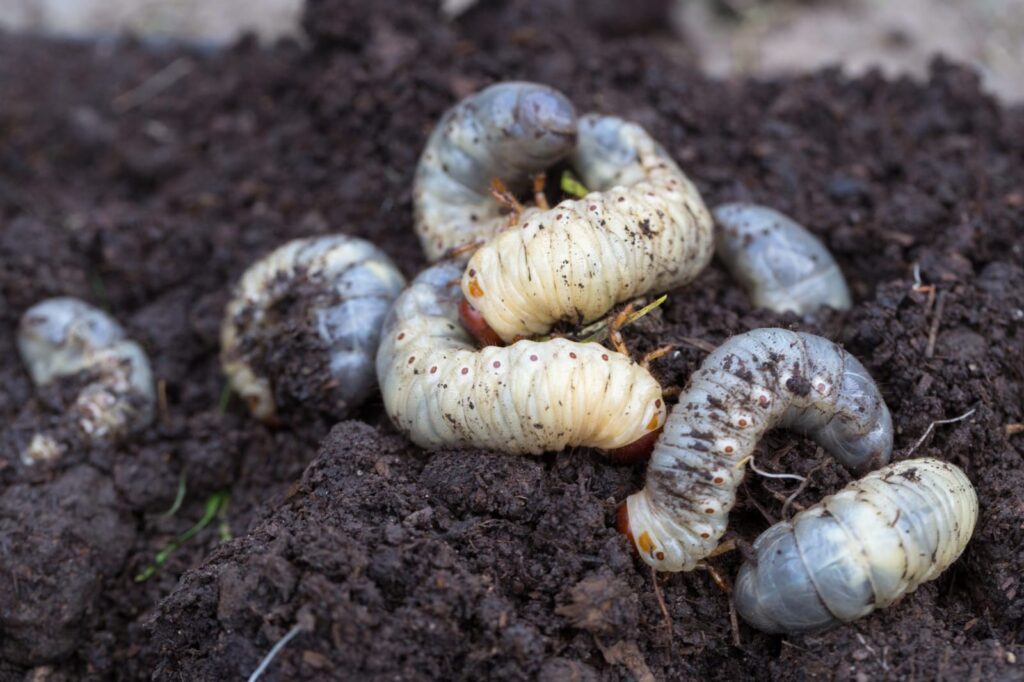
यह व्हाइट ग्रब (White Grub) है, जो विभिन्न प्रकार के बीटल (भृंग) का लार्वा होता है। यह आमतौर पर गोबर की खाद, कम्पोस्ट और जैविक पदार्थों से भरपूर मिट्टी में पाया जाता है। इसका शरीर सफेद रंग का और “C” आकार में मुड़ा हुआ होता है।
व्हाइट ग्रब मिट्टी में क्यों होता है?
बरसात और गर्मी के मौसम में बीटल मिट्टी में अंडे देते हैं। बाद में इन्हीं अंडों से व्हाइट ग्रब निकलते हैं और मिट्टी के अंदर रहकर भोजन प्राप्त करते हैं। यदि मिट्टी में जैविक पदार्थ अधिक हैं तो इनके पनपने की संभावना भी बढ़ जाती है।
क्या यह पौधों को नुकसान पहुंचाता है?
यदि इनकी संख्या कम हो तो ज्यादा समस्या नहीं होती, लेकिन अधिक संख्या में होने पर यह पौधों की जड़ों को नुकसान पहुंचा सकते हैं। विशेष रूप से नए लगाए गए पौधे और छोटे पौधे इससे अधिक प्रभावित होते हैं।
इनके कारण:
- पौधे अचानक मुरझाने लगते हैं।
- ग्रोथ धीमी हो जाती है।
- पत्तियां पीली पड़ने लगती हैं।
- जड़ें कमजोर हो जाती हैं।
- कई बार पौधे बिना किसी स्पष्ट कारण के सूखने लगते हैं।
नियंत्रण कैसे करें?
मिट्टी तैयार करते समय जो भी व्हाइट ग्रब दिखाई दें, उन्हें हाथ से निकाल दें।
साथ ही:
- मिट्टी को कुछ दिनों तक तेज धूप में रखें।
- केवल अच्छी तरह सड़ी हुई खाद का उपयोग करें।
- नीम खली मिट्टी में मिलाएं।
- समय-समय पर मिट्टी की जांच करते रहें।
- जैविक तरीके अपनाने वाले गार्डनर्स नीम आधारित घोल का उपयोग कर सकते हैं।
मैं अपने फ्रूट प्लांट्स लगाने के लिए कंटेनर तैयार कर रही थी और उसी दौरान मुझे यह व्हाइट ग्रब मिला। इसलिए सोचा इसकी जानकारी आप सभी के साथ भी साझा करूं। मिट्टी तैयार करते समय ऐसी छोटी-छोटी जांच आगे चलकर पौधों को बड़ी समस्याओं से बचा सकती है।
क्या आपको भी कभी अपनी मिट्टी में व्हाइट ग्रब मिला है?
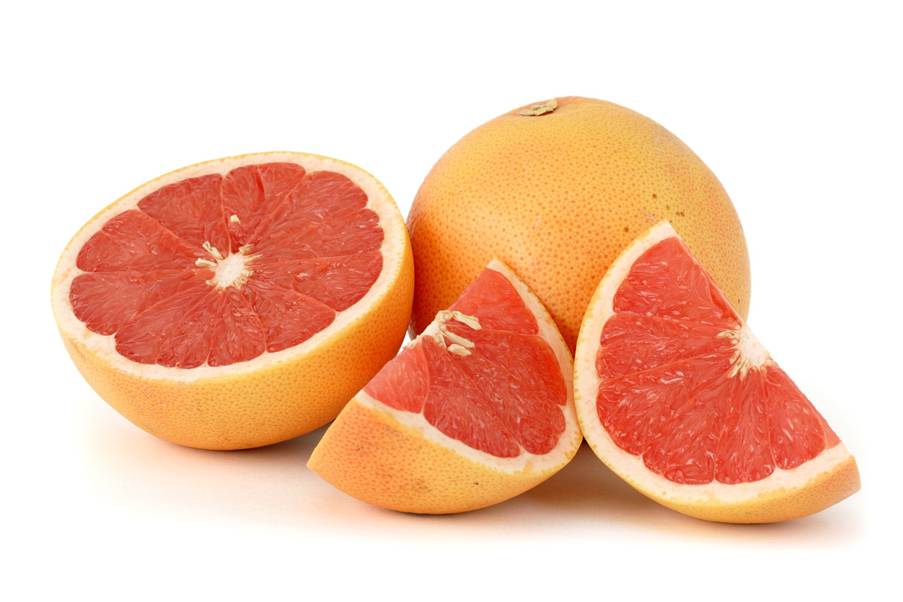
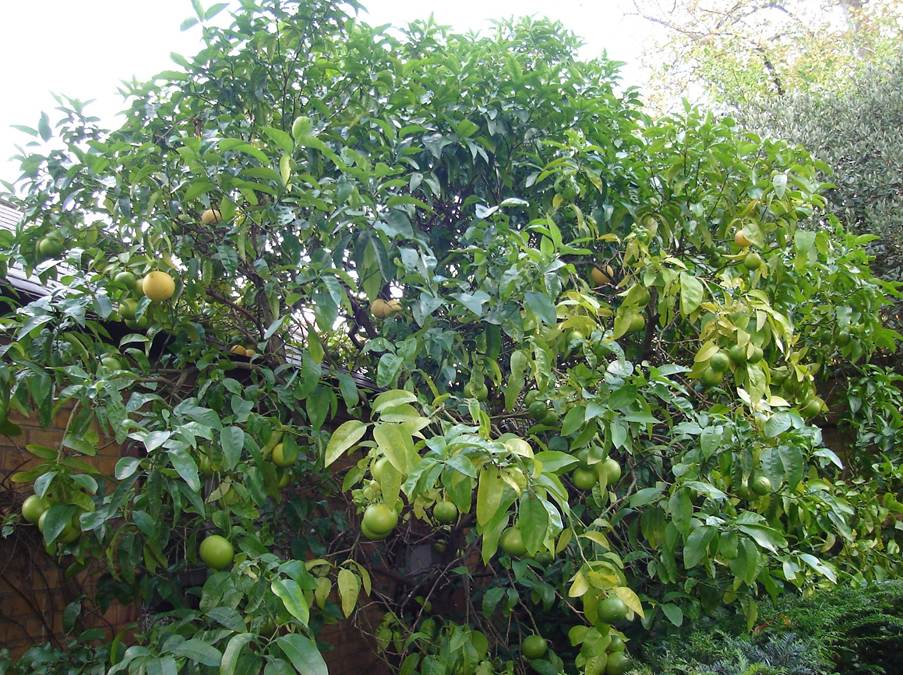
ग्रेपफ्रूट (Grapefruit): एक पौष्टिक एवं लाभकारी फल
ग्रेपफ्रूट एक सदाबहार खट्टा फल है, जो साइट्रस वर्ग का सदस्य है। इसका स्वाद संतरा और नींबू के बीच का होता है। भारत में इसकी खेती मुख्यतः उपोष्णकटिबंधीय क्षेत्रों में की जा सकती है।
पौध चयन एवं आयु
कलमयुक्त (Grafted/Budded) 1–2 वर्ष आयु के स्वस्थ पौधे रोपण के लिए उपयुक्त रहते हैं। ऐसे पौधे सामान्यतः 3–4 वर्ष में फल देना प्रारम्भ कर देते हैं।
रोपण का समय
जुलाई–अगस्त (मानसून) सर्वश्रेष्ठ समय।
सिंचाई सुविधा होने पर फरवरी–मार्च में भी लगाया जा सकता है।
भूमि एवं रोपण विधि
- अच्छी जल निकासी वाली दोमट भूमि उपयुक्त।
- pH 5.5–7.5 आदर्श।
- 60×60×60 सेमी का गड्ढा खोदें।
- गड्ढे में 15–20 किग्रा गोबर की सड़ी खाद, नीमखली एवं ऊपरी मिट्टी मिलाकर भरें।
- पौधे से पौधे की दूरी 5–6 मीटर रखें।
देखभाल
प्रारम्भिक 2–3 वर्षों तक नियमित सिंचाई करें।
पौधे के चारों ओर मल्चिंग करें।
सूखी एवं रोगग्रस्त शाखाओं की समय-समय पर छंटाई करें।
वर्ष में एक बार गोबर खाद तथा आवश्यकतानुसार संतुलित उर्वरक दें।
फलन
सामान्यतः 3–4 वर्ष में फल लगना शुरू।
6–7 वर्ष का पौधा अच्छी उपज देने लगता है।
फल सर्दियों में पकते हैं।
उपयोग एवं लाभ
- विटामिन C, फाइबर और एंटीऑक्सीडेंट का अच्छा स्रोत।
- रोग प्रतिरोधक क्षमता बढ़ाने में सहायक।
- हृदय स्वास्थ्य के लिए लाभकारी।
- वजन नियंत्रण एवं पाचन सुधार में सहायक।
- त्वचा एवं रक्त वाहिकाओं के स्वास्थ्य के लिए उपयोगी।
उपयोग कैसे करें?
- ताजा फल के रूप में।
- जूस, सलाद एवं फ्रूट चाट में।
- मुरब्बा एवं जैम बनाने में।
- स्वास्थ्यवर्धक पेयों में।
सरकारी सहायता एवं सब्सिडी
ग्रेपफ्रूट साइट्रस फसलों के अंतर्गत आता है। विभिन्न राज्यों में बागवानी विभाग तथा National Horticulture Mission / Mission for Integrated Development of Horticulture के अंतर्गत फलोद्यान स्थापना पर अनुदान उपलब्ध हो सकता है। सब्सिडी की दर राज्य एवं योजना के अनुसार भिन्न होती है। किसान अपने जिले के उद्यान विभाग से नवीनतम जानकारी प्राप्त कर सकते हैं।
विशेष सुझाव: घर के बगीचे में एक स्वस्थ ग्रेपफ्रूट का पौधा न केवल स्वादिष्ट फल देता है, बल्कि वर्षभर हरियाली और पोषण का स्रोत भी बनता है।
गृहवाटिका में ग्रेपफ्रूट की खेती
ग्रेपफ्रूट को छत, बालकनी अथवा गृहवाटिका में बड़े गमलों, ड्रम या ग्रो बैग में आसानी से उगाया जा सकता है। अच्छे फल उत्पादन के लिए कलमयुक्त (गुटी या बडेड) पौधे का चयन करें।
कंटेनर का आकार
- न्यूनतम 24 इंच चौड़ा एवं 24 इंच गहरा गमला या ग्रो बैग।
- बेहतर परिणाम हेतु 200 लीटर का प्लास्टिक ड्रम अथवा 30–36 इंच का ग्रो बैग उपयुक्त रहता है।
मिट्टी मिश्रण 40% बगीचे की मिट्टी + 30% अच्छी सड़ी हुई गोबर खाद या वर्मीकम्पोस्ट + 20% कोकोपीट + 10% मोटी रेत मिलाकर भरें। रोपण के समय नीमखली अवश्य मिलाएँ।
रोपण एवं देखभाल पौधे को ऐसे स्थान पर रखें जहाँ प्रतिदिन कम से कम 6–8 घंटे सीधी धूप मिले। नियमित सिंचाई करें, परन्तु जलभराव न होने दें। प्रत्येक 2–3 माह में जैविक खाद दें तथा गमले की सतह पर मल्च बिछाएँ। सूखी एवं रोगग्रस्त शाखाओं की समय-समय पर छंटाई करते रहें।
फलन कलमयुक्त पौधा सामान्यतः 3–4 वर्ष में फल देना प्रारम्भ कर देता है। उचित देखभाल मिलने पर एक पौधा कई वर्षों तक फल देता रहता है।
ग्रेपफ्रूट विटामिन-सी एवं एंटीऑक्सीडेंट्स से भरपूर होता है। फल उत्पादन के साथ-साथ इसका सदाबहार स्वरूप छत एवं गृहवाटिका की शोभा भी बढ़ाता है।
_white_bg.jpg)

हर घर हरियाली हर घर पोषण
रमा त्यागी
tyagirama1 @gmail.com

स्वस्थ मिट्टी – कीटों से प्राकृतिक सुरक्षा की पहली ढाल
अधिकांश माली कीट दिखने पर दवा खोजते हैं, जबकि सबसे अच्छा उपाय है समस्या आने से पहले मिट्टी को स्वस्थ बनाना। स्वस्थ मिट्टी में लाभकारी सूक्ष्मजीव प्रचुर मात्रा में होते हैं, जो पौधों को मजबूत बनाते हैं और उन्हें कीटों व रोगों के प्रति अधिक प्रतिरोधी बनाते हैं।
स्वस्थ मिट्टी के तीन सरल नियम
- हर फसल या मौसम की शुरुआत में लगभग 2 इंच अच्छी तरह सड़ी हुई कम्पोस्ट मिट्टी में मिलाएँ।
- बीज बोने के मिश्रण (Seed Starting Mix) में 10% वर्मीकास्ट (केंचुआ खाद) मिलाएँ। शोधों में पाया गया है कि इससे पौधों की वृद्धि बेहतर होती है तथा वे कीटों और रोगों के प्रति अधिक सहनशील बनते हैं।
- यदि पशु खाद का उपयोग कर रहे हैं, तो केवल अच्छी तरह सड़ी हुई खाद ही प्रयोग करें और इसकी मात्रा कम्पोस्ट की तुलना में कम रखें।
याद रखें, मजबूत पौधे ही सबसे अच्छे तरीके से कीटों का सामना करते हैं। इसलिए रासायनिक दवाओं पर निर्भर होने के बजाय मिट्टी की उर्वरता और जैविक सक्रियता बढ़ाने पर ध्यान दें। स्वस्थ मिट्टी, स्वस्थ पौधे और स्वस्थ भोजन—यही सफल जैविक बागवानी का आधार है.

MISSION SNG: When YOU change, everything else starts changing



जामुन
भारत को जम्बू द्वीप के नाम से भी जाना जाता है और यह नाम जामुन के वजह से है।आश्चर्य की बात तो है कि किसी फल के वजह से किसी देश का नामकरण किया गया !
दरअसल जामुन के कई नाम है और उन्हीं में से एक नाम है जम्बू । भारत में जामुन की बहुतायत रही है । हमारे देश में इसकी पेड़ों की संख्या लाखों-करोड़ों में है और शायद इसी कारण से यह फल हमारे देश का पहचान बन गया।
भारतीय माइथोलॉजी के दो प्रमुख केंद्र रामायण और महाभारत में भी यह विशेष पात्र रहा है।भगवान राम ने अपने 14 वर्ष के वनवास में मुख्य रूप से जामुन का ही सेवन किया था वहीं श्री कृष्णा के शरीर के रंग को ही जामुनी कहा गया है। संस्कृत के श्लोकों में अक्सर इस नाम का उच्चारण आता है।
जामुन विशुद्ध रूप से भारतीय फल है।भारत का हर गली – मोहल्ला ईसके स्वाद से परीचित हैं। जामुन एक मौसमी फल है। खाने में स्वादिष्ट होने के साथ ही इसके कई औषधीय गुण भी हैं।
जामुन अम्लीय प्रकृति का फल है पर यह स्वाद में मीठा होता है। जामुन में भरपूर मात्रा में ग्लूकोज और फ्रुक्टोज पाया जाता है. जामुन में लगभग वे सभी जरूरी लवण पाए जाते हैं जिनकी शरीर को आवश्यकता होती है।
जामुन खाने के फायदे:-
- पाचन क्रिया के लिए जामुन बहुत फायदेमंद होता है. जामुन खाने से पेट से जुड़ी कई तरह की समस्याएं दूर हो जाती हैं.
- मधुमेह के रोगियों के लिए जामुन एक रामबाण उपाय है. जामुन के बीज सुखाकर पीस लें. इस पाउडर को खाने से मधुमेह में काफी फायदा होता है.
- मधुमेह के अलावा इसमें कई ऐसे तत्व पाए जाते हैं जो कैंसर से बचाव में कारगर होते हैं. इसके अलावा पथरी की रोकथाम में भी जामुन खाना फायदेमंद होता है. इसके बीज को बारीक पीसकर पानी या दही के साथ लेना चाहिए.
- अगर किसी को दस्त हो रहे जामुन को सेंधा नमक के साथ खाना फायदेमंद रहता है. खूनी दस्त होने पर भी जामुन के बीज बहुत फायदेमंद साबित होते हैं.
- दांत और मसूड़ों से जुड़ी कई समस्याओं के समाधान में जामुन विशेषतौर पर फायदेमंद होता है. इसके बीज को पीस लीजिए. इससे मंजन करने से दांत और मसूड़े स्वस्थ रहते हैं.
आजतक के नए ऐप से अपने फोन पर पाएं
जामुन मधुमेह के रोगियों के लिए रामबाण है। यह पाचनतंत्र को तंदुरुस्त रखता हैं । साथ ही दांत और मसूड़े के लिए बेहद फायदेमंद है ।
जामुन में कार्बोहाइड्रेट, फाइबर, कैल्शियम, आयरन और पोटैशियम होता है।आयुर्वेद में जामुन को खाने के बाद खाने की सलाह दी जाती है।
जामुन के लकड़ी का भी कोई जबाव नहीं है। एक बेहतरीन इमारती लकड़ी होने के साथ ईसके पानी मे टिके रहने की बाकमाल शक्ति है।
अगर जामुन की मोटी लकड़ी का टुकडा पानी की टंकी में रख दे तो टंकी में शैवाल या हरी काई नहीं जमती सो टंकी को लम्बे समय तक साफ़ नहीं करना पड़ता |
प्राचीन समय में जल स्रोतों के किनारे जामुन की बहुतायत होने की यही कारण था इसके पत्ते में एंटीबैक्टीरियल गुण होते हैं जो कि पानी को हमेशा साफ रखते हैं। कुए के किनारे अक्सर जामुन के पेड़ लगाए जाते थे।
जामुन की एक खासियत है कि इसकी लकड़ी पानी में काफी समय तक सड़ता नही है। जामुन की इस खुबी के कारण इसका इस्तेमाल नाव बनाने में बड़े पैमाने पर होता है।
जामुन औषधीय गुणों का भण्डार होने के साथ ही किसानो के लिए भी उतना ही अधिक आमदनी देने वाला फल है ।
नदियों और नहरों के किनारे मिट्टी के क्षरण को रोकने के लिए जामुन का पेड़ काफी उपयोगी है। अभी तक व्यवसायिक तौर पर योजनाबद्ध तरीके से जामुन की खेती बहुत कम देखने को मिलती हैं। देश के अधिकांश हिस्से में अनियोजित तरीके से ही किसान इसकी खेती करते हैं।
अधिकतर किसान जामुन के लाभदायक फल और बाजार के बारे में बहुत कम जानकारी रखते हैं, शायद इसी कारणवश वो जामुन की व्यवसायिक खेती से दूर हैं।जबकि सच्चाई यह है कि जामुन के फलों को अधिकतर लोग पसंद करते हैं और इसके फल को अच्छी कीमत में बेचा जाता है।
जामुन की खेती में लाभ की असीमित संभावनाएं हैं।इसका प्रयोग दवाओं को तैयार करने में किया जाता है, साथ ही जामुन से जेली, मुरब्बा जैसी खाद्य सामग्री तैयार की जाती है।
सबसे खास बात कि जामुन हम भारतीयों की पहचान रही है अतः इस वृक्ष के संरक्षण और संवर्धन में हम सभी को अपना योगदान देना चाहिए।
????❤️??