
Economics Vs Mangonomics
I will take you back to 1970s. That is what I still call a golden period of my life.
Imagine this: a calm village in UP, outskirts of Distt Hardoi, a big village house, with thatched roof, and mud walls, which used to be smeared with fresh cow-dung, including the floors. As the dusk fell, a small lantern used to light up the area.
There used to be a huge Neem tree, under which was a cot, where my Nana ji used to sit and relax. He was a retired Post master of that village. (In those times, village post master was supposed to be the most learned man in the area.)

My Mama ji was a tailor master, who used to be very busy during the marriage season. But we 5 cousin brothers and one sister always used to wait for Mamaji to come from the market and bring a bag full of mangoes, which used to be dipped in cold water drawn by the hand pump, to be enjoyed after the meals.
But slowly, those mangoes are going to be only in the sweet memories, like our annual visits to the village.
One of the varieties that we used to enjoy, and still do at times, is called “Langda” variety of mango. A small town in West Bengal by the name of Malda is famous for this variety of the fruit. Till about couple of years back, a drive along Malda-Manickchak highway would have taken you through a dense forest of mango-laden trees, drooping with the weight of the fruits.
These days, many orchards are bearing the tell-tale markings saying ‘Plot for sale’ . The price of land at the outskirts has taken over the profits of this mango variety. The ban on export of the mango, and bumper production over the years has spelled doom for the farmers.
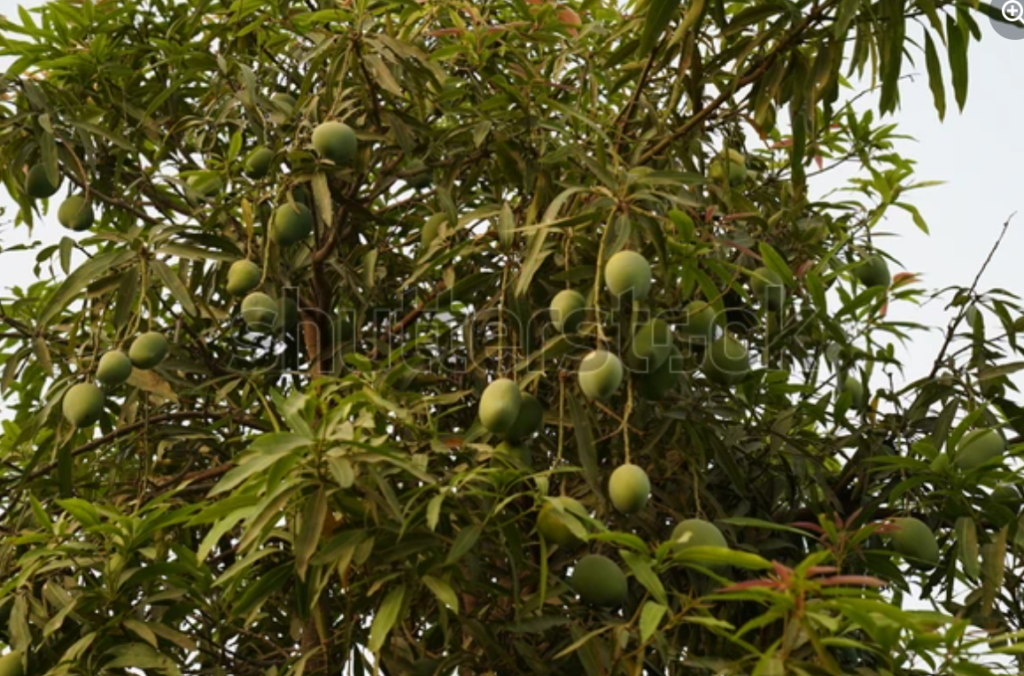
The produce from one orchard measuring ’20 cottahs’ (each cottah in Bengal means about 600 Sq ft), would fetch a farmer INR 1.5 Lacs. But the same piece of land now can fetch a whopping INR 1.5 Cr, which is equivalent t income for next100 years. This is the main reason of vanishing mango orchards.
The land records show that mango cultivation area has dropped from 34 thousand hectares to 31 thousand hectares in last 3 years.
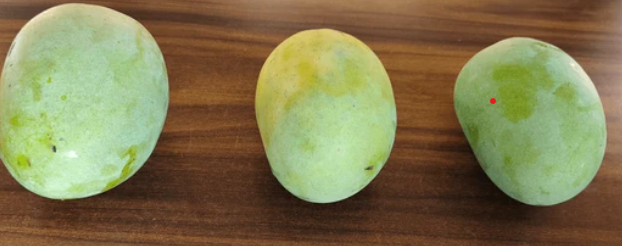
Keeping and maintaining Mango orchards today has come to be known as luxury, keeping in mind the cost of spraying, night vigil, plucking, and transportation to the market.
The concerned departments somehow express inability to arrest the trends, as orchard tres are not counted as forest trees and can be cut.
However, though the Govt is considering the laws banning cutting of the orchards, like tea gardens, unless done, the famous Langda mango may be a thing of the past.

Another feather in our cap…
“Dear Rama,
This email is to let you know that you are now an iNaturalist Ambassador! We’re thrilled to have you on board. Your energy and excitement for sharing iNaturalist will help grow our community in powerful ways. When people hear about iNaturalist directly from others, it makes a big difference. Over 4,000 people have already joined, and we can’t wait to see what we can accomplish together as we work to grow the iNaturalist community.
I am honoured to have been selected as an Ambassador of INaturalist”.

iNaturalist is an American nonprofit social network of naturalists, citizen scientists , citizen scientists, and biologists built on the concept of mapping and sharing observations of biodiversity across the globe. iNaturalist includes an automated species identification tool , and users further assist each other in identifying organisms from photographs and sound recordings. As of 5 August 2025, iNaturalist users had contributed nearly 300 million observations of plants, animals, fungi, and other organisms worldwide, and 400,000 users were active in the previous 30 days.
Heartiest congratulations!
Gardening Jobs in August
This is the season of monsoon rains in India. Keep your late-summer garden looking fantastic with these easy tips for your August garden.
1. Divide Perennial Flowers
August is the best time to dig and divide perennial flowers in your garden, such as crinum, hostas, daylilies, ornamental plants, and canna lilies. Use a spade to lift the plant from the ground, being careful not to damage the root ball. Once the clump is out of the ground, use a large garden knife or spade to divide it into smaller pieces. Then, replant the smaller divisions as soon as possible.
2. Add Fall Color
Chrysanthemums are a great option to add fall colour to your garden. Available in a wide variety of colours, shapes, and flower forms, chrysanthemums can complement any garden decor. Their nectar-rich flowers also attract a variety of colourful pollinators, including migrating Monarch butterflies. Mix single- and double-flowering varieties with asters, pansies, and other fall bloomers.
Garden Tip: When purchasing chrysanthemums, make sure to buy garden mums that are tough enough to tolerate outdoor conditions, rather than florist mums. Protect them from excessive rain and fungal attacks by avoiding overwatering and applying fungicide regularly. They require fairly rich soil, good drainage, and regular feeding.
3. Replace Annual Flowers
By late summer, some annual flowers may start to look worn out. Consider planting balsams, vincas, cockscombs, amaranthus, gaillardia, or other suitable annuals in your pots to keep your garden from looking bare.
4. Repot Houseplants
August is the perfect time to repot your houseplants and move them to larger containers with fresh potting soil. This allows the plants to acclimate to their new environment before the cool weather arrives in the fall. If you notice roots dangling out of the drainage hole, it’s a sign that your plant has outgrown its current pot. Select a slightly larger pot for transplantation.

Garden Tip: Use a soilless potting mix instead of garden soil to ensure ideal soil structure for container culture and to avoid potential insect pests, diseases, or weeds.
5. Wage War on Weeds
If you’ve been neglecting weeding chores in your garden, August is the time to tackle them. As the growing season winds down, both annual and perennial weeds start producing seeds that will germinate in your garden next spring. It’s crucial to remove them to prevent further spread. After a Rain, when the soil is still moist, is the best time to weed. You can pull weeds by hand or use a hoe, ensuring you remove the roots. Certain weeds like crabgrass or purslane can regenerate from any root left in the soil. After removing the weeds, cover the area with a thick layer of compost, straw, leaves, or shredded bark.
Garden Tip: Keep your weeding tools sharp for effective weed removal.

6. Plant Perennials and Shrubs
Late summer is an ideal time to plant perennials and flowering shrubs in many areas. They will establish their roots during the cool, moist fall weather and be ready to bloom next spring and summer. Make sure to water the new plants regularly if the weather is hot and dry. Check and repot plants like Dracaena, crotons, creepers, philodendron, or any other tropicals in pots. This is also a good time for plant propagation through cutting, grafting, or layering.
7. Harvest Herbs

Although herbs can be harvested throughout the summer, late summer is the best time to harvest them for the most intense flavour and aroma, just before the plants flower. Herbs like peppermint, mint, and marjoram can be harvested, dried, and powdered for future use.
8. Consider Fertiliser
Northern gardeners should stop feeding roses, trees, shrubs, and perennial flowers now. Feeding your plants in late summer and fall encourages new growth that may not survive the winter. By reducing fertiliser now, your plants will toughen up before winter arrives.
9. Time to Plant Fruit Trees
August is the time to plant fruit trees such as apple, guava, lemon, pear, lime, and mango.
10. Protect Your Plants
Succulents, adeniums, cacti, and other sensitive plants should be protected from excessive rain. Ensure they are sheltered or covered to prevent damage.
Lawn
Lawn maintenance is crucial even if you haven’t treated it yet. Start by fertilising it and, if necessary, applying lime. You can also propagate various plants by taking cuttings from money plants, Acalypha, hibiscus, passion flower, gardenia, bougainvillaea, plumbago, and almost any other plant. Root these cuttings in sand, perlite, vermiculite, or coco peat.
Trim and prune overgrown hedges, creepers, and trees to allow weaker varieties to thrive. Climbers and creepers should be thinned out by removing unwanted growth and tying the remaining ones in place. Add manure and regularly break up the soil surface throughout the year.
During the monsoon season, limit the irrigation of your lawn, shrubs, roses, and potted plants to a minimum. This helps prevent waterlogging and related issues.
Transplant rose plants if needed. You can also start growing winter vegetables and annuals indoors under protection. Sow cauliflower, cabbage, lettuce, and celery for early crops. Additionally, you can sow spinach, brinjals, and tomatoes. Plant gladiolus corms as well.
Prepare pots and beds for winter annuals by making them ready for planting.
By following these steps, you can ensure the proper care and maintenance of your lawn and garden throughout the year.
Happy Gardening and Take care!
Rama Tyagi
tyagirama1 @gmail.com
POTTING MIX FOR ADENIUMS :
There is no fixed recipe of potting mix for adenium. In your locality which components are easily available try to use them. It can grow in various media.
Some basic key factors may be summarised as :
- POROSITY: Adenium soil media must be porous.
- LIGHT WEIGHT : The media should not be very heavy.
- DRAINAGE: Drainage should be swift. Water should not stay in media for long.
- NUTRITIOUS : It must have some nutritional value to feed the plant as it grows.
- MOISTURE HOLDING CAPACITY: It can retain moisture but must not be soggy. It means that it must dry easily after some time of watering.
Basic needs of Adenium:
Adenium likes less water and full sunlight. Polyhouse is not mandatory to grow adenium.
Ayan ji does not suggest here to grow adenium in Coco based media. He believes that it’s good for professional growers.
Three recipes are mentioned here but remember the key factors mentioned above and make the media for your adenium as per the climate of your area. The plant will grow naturally then.
RECIPE – 1
SOIL BASED MEDIA
40% Garden Soil
30% River Coarse Sand
10% Leaf Compost
10% Vermi Compost
10% Crushed Charcoal
- Trichoderma bio-fungicide
- 100 gram Adenium Special Mixed Fertilizer (If pot size 8 inch). This is the most popular and easiest media. Listed components are easily available and less priced and hence affordable. Please keep ready this media for minimum 2 month (for best result 5-6 month) before repotting new plant.
RECIPE – 2.
SOIL LESS MEDIA :
CINDER BASED MEDIA
40% Cinder
30% River Coarse Sand
10% Leaf Compost
10% Vermi Compost
10% Rice Husk
- Trichoderma bio-fungicide
- 100 gram Adenium Special Mixed Fertilizer (If pot size 8 inch)
RECIPE – 3.
ADVANCED MEDIA
30% River Coarse Sand
15% Leaf Compost
15% Vermi Compost
30% Rice Husk
10% Crushed Charcoal
- Trichoderma bio-fungicide
- 100 gram Adenium Special Mixed Fertilizer (If pot size 8
**
Happy Gardening
How to Use Rice Water for Plants: 3 Effective Methods
What Is Rice Water?
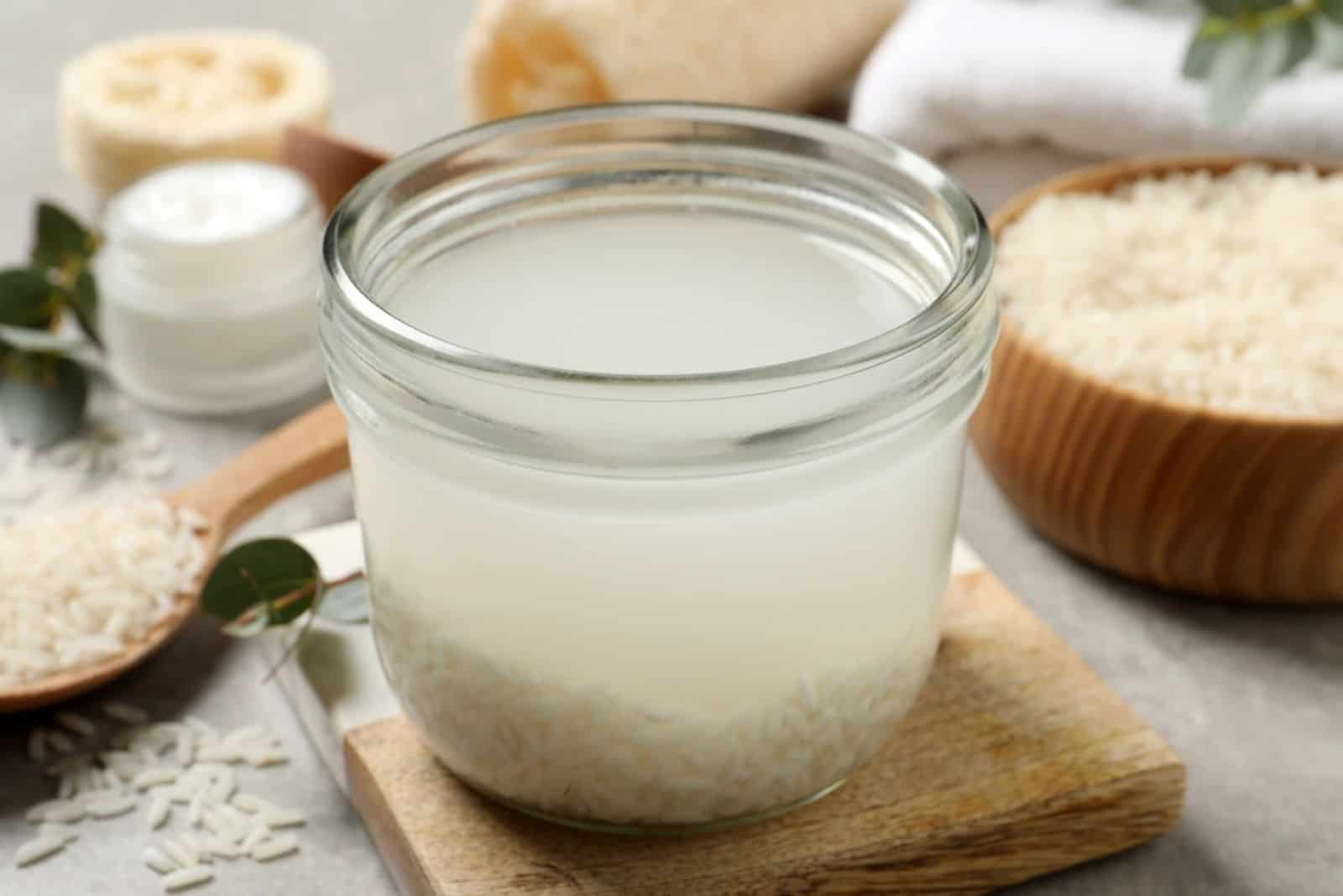
Rice water is the starchy water left after rinsing or boiling rice. Instead of discarding this cloudy liquid, you can use it as an easy and affordable DIY plant fertilizer. Rice water contains essential nutrients that can help your plants thrive, but it’s important to use it correctly to avoid potential harm.
Benefits of Rice Water for Plants
Rice water, when used in the right amounts, can be highly beneficial to plants. It contains nutrients and beneficial microbes that promote plant growth. The key components include:
– **Starch**: Plants use starch to store energy for future growth and reproduction.
– **Nutrients**: Rice water contains nitrogen (N), phosphorus (P), and potassium (K), which are essential for plant growth.
– **Beneficial Bacteria**: The starches in rice water support helpful bacteria such as lactobacilli and mycorrhizae fungi in the soil, enhancing plant health.
How to Make Rice Water for Plants
Rice water is simple to prepare using common kitchen items. You can use any type of plain rice, such as short-grain, long-grain, jasmine, or basmati. Here are three methods:
1. **Fermented Rice Water**
Most Effective: Promotes the growth of beneficial bacteria through fermentation.
– Ingredients: Cooked rice, distilled water.
Process:
- 1. Place a few scoops of cooked rice in a glass jar and fill with distilled water.
- 2. Cover with cheese cloth and store in a dark place for 1-2 weeks.
- 3. Check every few days; discard if black, brown, or orange mold appears.
- 4. Filter the water into a clean container or spray bottle.
- 5. Dilute with plain water at a 1:2 ratio before use.
2. Boiled Rice Water
– Simple and Effective: Releases starches and nutrients into the water through boiling.
– Ingredients: Uncooked rice, water.
Process:
- 1. Boil 2 cups of water (no salt) in a pot.
- 2. Add ½ cup of uncooked rice.
- 3. Boil until the water becomes cloudy, then cool.
- 4. Strain the water into a jar or bowl using a fine-mesh strainer.
- 5. Cool completely before using.
3. Rinsed Rice Water
– Quick and Easy: Extracts starch and nutrients by rinsing rice.
– Ingredients: Uncooked rice, water.
Process:
- 1. Fill a pot or rice cooker with rice and water (3:1 ratio).
- 2. Soak for 20-30 minutes, or agitate grains to accelerate the process.
- 3. Strain the water into a clean container or spray bottle.
- 4. Shake well before applying.
How Rice Water Can Harm Plants
Using too much rice water can lead to problems such as:
– Harmful bacteria or mold blooms.
– Soil hardening.
– Insect infestations.
To avoid these issues, use rice water no more than once a month.
Plants That Benefit from Rice Water
Many plants can benefit from rice water, including:
– Houseplants: Succulents, spider plants, orchids, and ferns.
– Garden Plants: Peppers, tomatoes, cabbage, and eggplant.
Plants to Avoid Watering with Rice Water
Rice water is not suitable for hydroponic systems, as its starch content can cause bacterial and fungal overgrowth. Use rice water only for soil-grown plants.
By following these guidelines, you can make the most of rice water’s benefits for your plants, promoting healthier and more vigorous growth.
Happy Gardening
Rama Tyagi
tyagirama1@gmail.com
GARDENING IN MONSOON
(A Very Busy Month)
Monsoon is at its prakar (peak), and humidity is high. It is the ideal time for the propagation of various plants. We wait the whole year for this season — a golden opportunity to increase our green collection.
? Lawn
If you haven’t treated your lawn yet, you can still do it. Fertilise it, and if application of lime is required, go ahead and give it.
Cuttings of various plants like money plant, Acalypha, hibiscus, passion flower, gardenia, bougainvillea, plumbago—almost every cutting—can be rooted in sand, perlite, vermiculite, or coco peat.
? Maintenance
Overgrown hedges, creepers, and trees can be trimmed or pruned to allow weaker varieties to grow.
Climbers and creepers should be overhauled by thinning out unwanted growth and tying the healthy parts in position.
Add manure, and keep breaking the surface throughout the season for better aeration.
? Watering
While the monsoon lasts, irrigation of lawns, shrubs, roses, and potted plants should be minimal. Let nature do the watering!
? Sowing & Transplanting
● Rose plants can be transplanted now.
● Start sowing for early crops like cauliflower, cabbage, lettuce, celery, and also spinach, brinjals, and tomatoes.
● Hardy annuals can also be sown now.
● Gladiolus corms can be planted during this month.
● Prepare pots and beds for winter annuals.
● Chrysanthemums may be shifted to their final pots towards the end of the month.
? Happy Gardening!
Make the most of this magical time and let your garden flourish!
DK SHARMA
प्रेस विज्ञप्ति
बेसिक शिक्षा परिषद एवं हॉर्टिकल्चर फ्लॉरिकल्चर सोसाइटी द्वारा स्कूल न्यूट्रिशन गार्डन एवं कम्पोस्टिंग प्रतियोगिताओं का शुभारंभ
गाजियाबाद, 31 जुलाई 2026।
विद्यालयों में पोषण, जैविक खेती तथा पर्यावरण संरक्षण की भावना को बढ़ावा देने के उद्देश्य से बेसिक शिक्षा परिषद, गाजियाबाद एवं हॉर्टिकल्चर फ्लॉरिकल्चर सोसाइटी (HFS) के संयुक्त तत्वावधान में स्कूल न्यूट्रिशन गार्डन (SNG) प्रतियोगिता 2026 का शुभारंभ किया गया।
प्रतियोगिता का औपचारिक शुभारंभ बेसिक शिक्षा अधिकारी श्री ओ. पी. यादव एवं मिड-डे मील (MDM) अधिकारी श्री टिंकू कंसल द्वारा प्रतियोगिता के पोस्टर का विमोचन कर किया गया।
इस अवसर पर तीन प्रतियोगिताओं की घोषणा की गई—
1. सरकारी विद्यालयों के लिए स्कूल किचन गार्डन प्रतियोगिता
2. पब्लिक/निजी विद्यालयों के लिए स्कूल किचन गार्डन प्रतियोगिता
3. केवल सरकारी विद्यालयों के लिए कम्पोस्टिंग प्रतियोगिता
इच्छुक विद्यालय 10 अगस्त 2026 तक निर्धारित गूगल फॉर्म भरकर अपना पंजीकरण करा सकते हैं।
प्रतियोगिता के अंतर्गत विद्यालयों को अगस्त माह से 60 दिनों का समय अपने किचन गार्डन विकसित करने के लिए दिया जाएगा। अक्टूबर माह में विशेषज्ञ निर्णायक मंडल विद्यालयों का भ्रमण कर मूल्यांकन करेगा तथा नवंबर माह में विजेता विद्यालयों को सम्मानित किया जाएगा।
इस पहल का उद्देश्य बच्चों में अपना भोजन स्वयं उगाने, जैविक खेती अपनाने, कम्पोस्ट बनाने तथा संतुलित एवं पौष्टिक आहार के प्रति जागरूकता विकसित करना है। हॉर्टिकल्चर फ्लॉरिकल्चर सोसाइटी का मानना है कि गलत खान-पान की आदतों के कारण बढ़ रही कुपोषण की समस्या का समाधान स्कूल न्यूट्रिशन गार्डन जैसी पहल से किया जा सकता है।
सोसाइटी का संदेश है—
“जो खाएं, उसे उगाएं और जो उगाएं, वही खाएं।”
विद्यालय अपनी उपलब्ध सुविधानुसार भूमि, गमलों/कंटेनरों अथवा छत (टेरेस) पर भी किचन गार्डन विकसित कर सकते हैं। हॉर्टिकल्चर फ्लॉरिकल्चर सोसाइटी सभी प्रतिभागी विद्यालयों को तकनीकी मार्गदर्शन, प्रशिक्षण एवं आवश्यक सहयोग उपलब्ध कराएगी ताकि प्रत्येक विद्यालय सफलतापूर्वक अपना पोषण वाटिका विकसित कर सके।
इस अवसर पर अधिकारियों ने विश्वास व्यक्त किया कि यह प्रतियोगिता बच्चों में पोषण, पर्यावरण संरक्षण, आत्मनिर्भरता तथा जैविक खेती के प्रति रुचि उत्पन्न करेगी और उन्हें प्रकृति से जोड़ने में महत्वपूर्ण भूमिका निभाएगी। साथ ही यह अभियान विद्यालयों में “स्कूल न्यूट्रिशन गार्डन” की अवधारणा को जन-आंदोलन का रूप देने में सहायक सिद्ध होगा।




KUSAMONO WORKSHOP

A really wonderful workshop was organised by the horticulture and floriculture society of Ghaziabad on 11th july 2026 at D.K. Sharmaji residence at Vasundhara Ghaziabad.
Kusamono refers to a Japanese botanical art that developed alongside bonsai. Kusamono are potted arrangements of wild grasses and flowers in unique pots or trays selected to suggest a season or place. The name is composed of two Japanese characters– “grass” and “thing”—which together suggest humble, everyday plants. Originally, this name referred to the small, potted grasses displayed next to bonsai as accent plants. More recently, creating Kusamono has developed into an art form of its own.
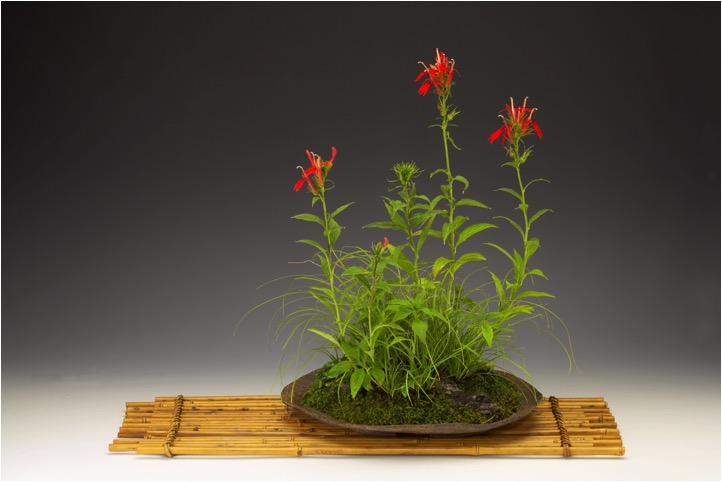
Workshop was conducted under the guidance of learned and experienced senior members.
The society extends heartful thanks to D.K.Sharma ji and hosting members for the hospitality and scrumptious food!
Special thanks also go to Rama tyagi ma’am, Rashmi ma’am, Rajesh vaish ji and all other members for their guidance.
A really wonderful workshop was organised by the horticulture and floriculture society of Ghaziabad on 11th july 2026 at D.K. Sharmaji residence at Vasundhara Ghaziabad.
Tree Ka Langar – Shri Shikshayatan School
LET’S GROW KINDNESS.
LET’S GROW TOMORROW.

Shri Shikshayatan School became a proud partner in Green Sahyog—a movement to nurture environmentally responsible citizens. The students became Green Sahyogis by taking the Green Shapath, pledging to support Tree Ka Langar, an initiative of Gutliman of India to help offset carbon footprints and emissions.

As cities have limited space for large trees, Tree Ka Langar distributes useful indoor plants to homes, schools, communities, and organizations. Beyond planting, the mission is to instill the habit of nurturing nature from an early age, because today’s children are tomorrow’s guardians of the environment.
My heartfelt gratitude to the Principal Mrs. Sangeeta Tandon Maam , and the dedicated teachers and coordinators for embracing this mission. The students’ attention, sensitivity, and emotional connection to the growing challenges of pollution and poor air quality were truly inspiring. These young Green Sahyogis are our greatest hope for a cleaner, healthier Kolkata and a greener India.
Be a Part of This Green Seva.
Contact to Participate in Tree Ka Langar
Jasmit Singh Arora – Gutliman of India
? 9831459390

A KOKEDAMA Workshop is being organised by Dr Shafali Agarwal on 09 Aug 2026, at K’s Cafe, R 12/54, Block 12, Raj Nagar, Ghaziabad, on behalf of the society.