
Rain Rain, Come again, and bring along, some crows and cranes!
Pardon me if you think I am welcoming rains a bit too early!
But I think it must be around the corner, despite IMD shifting the monsoon date slightly later.
Well, whenever I hear of rain, I remember a dialogue of Shah Rukh Khan’s film where he asks one of his friends if he had ever tasted the rain droplets. (I am sure you would try it now, if not done earlier). And in the movie, he does try to taste few droplets.
There is nothing quite like the smell of the first monsoon showers hitting the baked earth of Northern India. After the punishing summer heat of May and June, those dark July clouds feel like a rescue mission for our terrace and backyard gardens. The gourds start climbing with renewed vigor, and the greens seem to double in size overnight.
Along with life-giving rain, the sudden spike in humidity and moisture rolls out the red carpet for an army of uninvited guests. When you are growing food in the shrinking spaces of a balcony or terrace, a small pest problem can wipe out a harvest in days.
In such cases, prevention is the best strategy. Here are a few tips and tricks to overcome this problem.
The Usual Suspects: Monsoon Insects & Pests
When the air gets heavy and damp, insect populations explode. Here are the main culprits you will find lurking under leaves and around stems:
- Sap-Suckers (Aphids, Mealybugs, and Whiteflies): These are the opportunists. Mealybugs look like tiny cotton clusters wedged in the joints of your stems, while aphids cluster under fresh new leaves. They drain the sap, weakening the plant and encouraging black sooty mold.

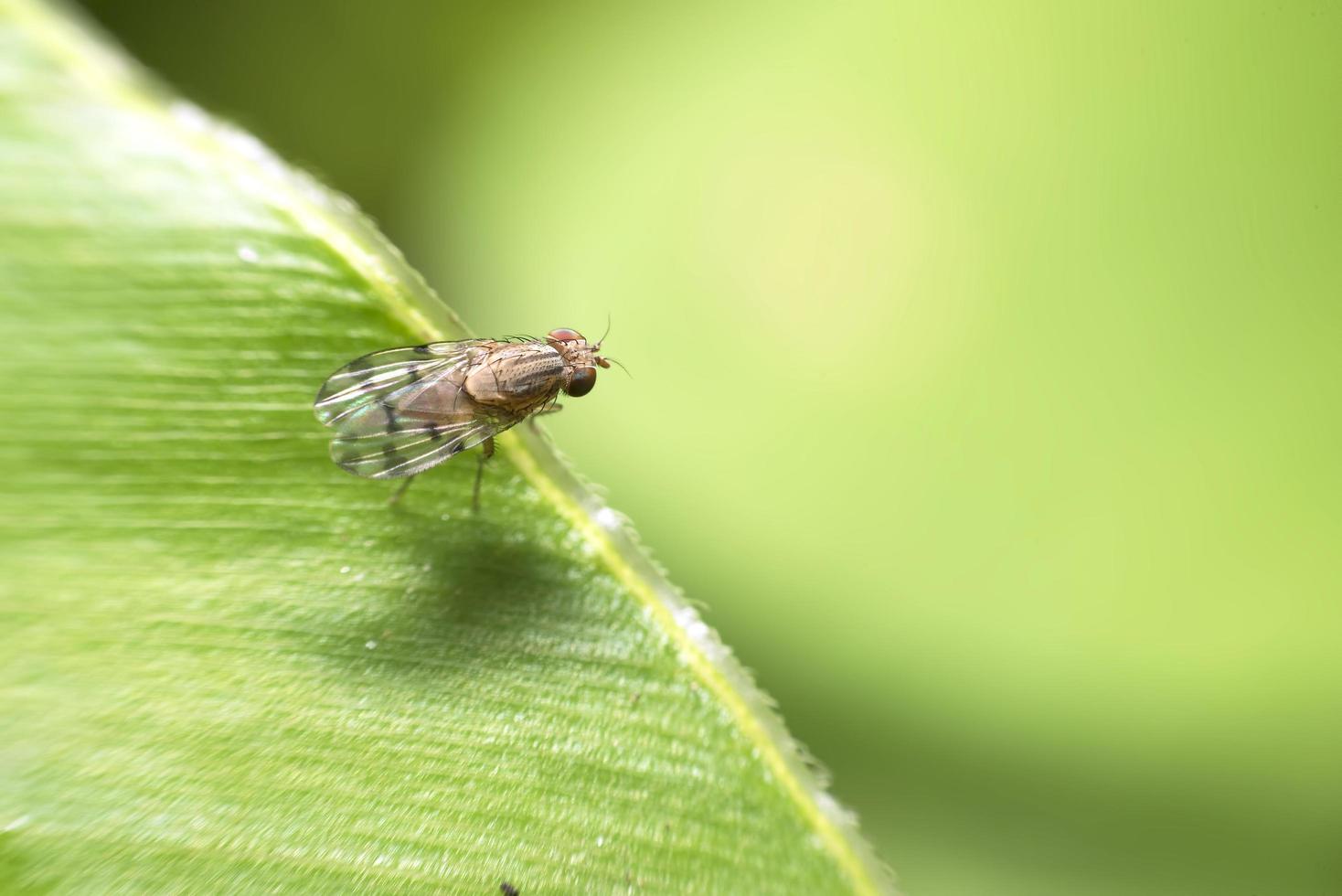
- Fruit Flies: The absolute bane of summer and monsoon gourds (like bottle gourd and ridge gourd). They sting the young, tender fruits to lay their eggs, causing the fruit to rot and drop before it even matures.
- Slugs and Snails: They hide during the day and emerge at night to munch massive, irregular holes through your leafy greens and tender seedlings.

- Caterpillars and Shoot Borers: High humidity accelerates their life cycle. If you see folded leaves or holes in your tomatoes and brinjals, a borer is usually at work.
The Invisible Enemies: Fungal & Bacterial Diseases
In a terrace garden, waterlogging and poor airflow are your biggest enemies. The combination of heat and standing water breeds disease:
- Root Rot and Damping Off: When grow bags or pots don’t drain fast enough, the roots suffocate in the stagnant water and begin to rot. The plant will ironically look wilted, even though it is sitting in water.

- Powdery and Downy Mildew: If your leaves look like they have been dusted with white flour or have yellowish patches, you are dealing with mildew. It thrives when plants are crowded together without enough breeze to dry their leaves.
- Blight and Leaf Spots: Dark, water-soaked spots on leaves that rapidly turn brown or black, eventually defoliating the plant.
The Urban Gardener’s Monsoon Defense Strategy
You don’t need harsh chemicals to win this battle. A sustainable, pesticide-free approach just requires a bit of observation and timing. Here are the golden rules for July:
1. Lift and Drain
Never let your grow bags or pots sit flush against the terrace floor. Elevate them on bricks, wooden slats, or metal stands. This ensures excess rainwater drains freely and prevents roots from sitting in puddles. If you use flat plastic trays underneath your pots, remove them entirely for the season.
2. Prune for Airflow
Treat your plants like they need to breathe. Prune away the dense, lower leaves—especially those touching the wet soil, as soil splash is how most fungal spores travel up to the plant. Spacing your pots a few extra inches apart allows the wind to act as a natural fungicide.
3. Set the Traps
For organic pest control, physical traps work wonders. Hang yellow sticky traps to catch whiteflies and aphids. More importantly, install pheromone traps near your climbing vines; they will lure and catch fruit flies before they can ruin your bitter gourds and cucumbers.
4. The Neem Routine
Don’t wait for an infestation to react. Start a preventive routine by spraying diluted, cold-pressed neem oil (mixed with a few drops of liquid soap) every 10 to 14 days. Additionally, working a handful of neem cake powder into your topsoil helps fend off soil-borne fungi and root nematodes.
5. Step Back from the Watering Can
It sounds obvious, but overwatering kills more monsoon plants than pests do. Let the rain do the heavy lifting. Only water manually if we hit a dry spell and the soil is completely dry two inches deep.
Gardening in the city is an exercise in adaptation. By tweaking your drainage, improving airflow, and relying on organic deterrents, you can embrace the monsoon rather than fight it.
Happy growing, and may your terrace be green and pest-free this season!
(help of AI has been taken for this article)


Gardening in June
Vegetables
JUNE : All gourds, Brinjal, Cucumber, Cauliflower (Early), Okra, Bitter gourd Onion,Sem,Tomato,Pepper ,zucchini, summer squashes, cucumbers, and melons. Though we had planted summer vegetables in March but many of you who couldn’t can still go ahead.
Plant these crops on hills or in mounds where the soil stays warmer. Add a spade-ful of compost or well-rotted manure into each hill. Summer vegetables should be kept evenly moist. Transplants should be watered every day until they are well established. Don’t let tomatoes, peppers, eggplants, melons, zucchini, squashes, or cucumbers go dry – this will impede quick and even growth which is essential for sweet, tasty fruits at harvest.
PLANTING EGGPLANTS AND PEPPERS:

Be patient with eggplant and peppers. These crops require a soil temperature of 70°F (21°C), the daytime air temperature above 70°F, and night air temperature above 60°F (15°C). Sun and heat are essential for these plants to reach flowering and fruiting. Protect crops in the garden from extreme hot temperatures. Hold off feeding until eggplants and peppers blossom then use moderate nitrogen and high phosphorus and potassium. Use Epsom salts to stimulate root structure.
PLANTING CUCUMBERS:
Like eggplants, cucumbers thrive in warm weather. Cucumbers mature quickly and are easy to look after. Pinch out the growing tips of cucumber plants when seven leaves have formed. This will keep the plant at a manageable size. Once flowers appear, water cucumbers regularly; avoid washing soil away from the roots. Feed every two weeks with liquid manure once the first fruits have started to grow.
Okra
Okra is a heat-loving annual plant that requires 55 to 65 days with temperatures consistently above 85°F (29°C) for full growth, flowering, and pod development. Okra is a tender, heat-loving annual that grows 4 to 7 feet (1.2-2.1m) tall and produces a green and sometimes red seed pod which is harvested when 3 to 5 inches (7-12cm) long and sometimes longer. Okra has prickly stems and large maple-like leaves and large, yellow, hibiscus-like flowers with red or purplish centers. Mature pods contain buckshot-like seeds. Grow 6 okra plants for each household member. Companion plants. Basil, cucumbers, eggplant, melons, peppers. Container growing. Okra does not grow well in containers. Choose spacing-saving varieties for container growing.
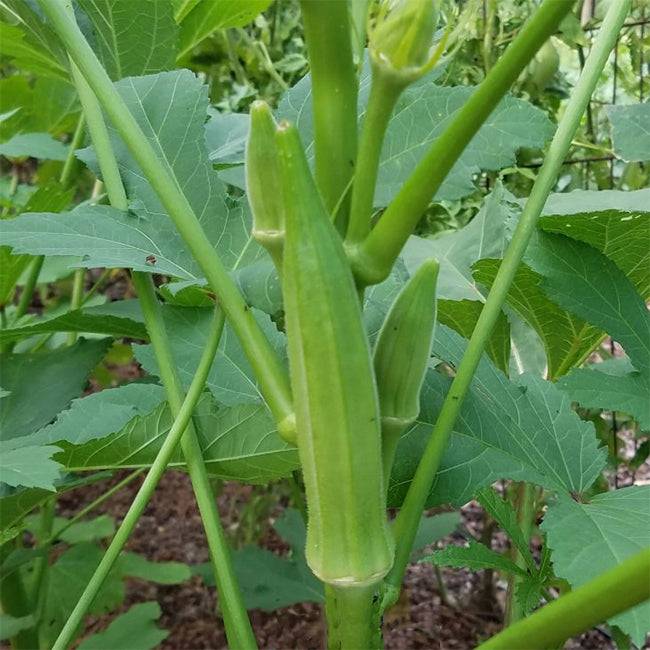
Okra growing in garden: Established okra plants can be kept on the dry side; stems rot easily in wet or cold conditions.
CARING FOR OKRA
Water and feeding. Keep okra evenly moist until established. Established plants can be kept on the dry side; stems rot easily in wet or cold conditions. Add aged compost to planting beds in advance of planting and again at midseason. Add gypsum if the soil is slow draining. Care. Pods contain a sticky sap that may be difficult to remove from clothing or tools. Prickles on pods can cause an allergic reaction.
Pests. Flea beetles and aphids may attack okra. Pinch out aphid-infested vegetation or knock flea beetles and aphids off plants with a strong stream of water.
Diseases. Okra is susceptible to verticillium and fusarium wilt which will cause plants to suddenly wilt, dry up, and die, usually in midsummer just as plants begin to produce fruits .
Beans
:max_bytes(150000):strip_icc()/how-to-grow-green-beans-1403459-05-447ef8a1da1c499eae1c7870914276f3.jpg)
There are many varieties of beans you can grow like
- Lobia beans
- French beans
- Clover beans
- Green gram beans
- Gvar fali etc
Grow beans in full sun, 8 hours of sun or more each day. Beans will grow in partial shade but the harvest will not be full. Grow beans in well-drained soil rich in organic matter. Prepare planting beds in advance by working 2 to 3 inches (5-7cm) of aged compost into the soil. Avoid planting beans where soil nitrogen is high or where green manure crops have just grown; these beans will produce green foliage but few beans. Beans prefer a soil pH of 6.0 to 6.8. Keep the garden clean and free of debris. Remove and dispose of infected plants. Rotate crops to prevent the buildup of soil-borne diseases.
FEEDING CROPS
Spring-sown and transplanted crops will be ready for an extra nutrient boost as soon as they begin to flower. Side-dress young plants by drawing a circle with your finger around each plant at its drip line to a depth of about 1 inch (2.5cm) deep.
Sprinkle a tablespoon of organic fertilizer around each plant or add a line of aged compost; work it gently into the soil with a hand tool and then water well. The extra nutrients will help blossoms develop into fruit and yield sweet-tasting vegetables.
Tomato irrigation: Consistent even moisture is essential for vegetable growth.
WATERING CROPS
When the weather is dry, water summer crops so that moisture reaches deep to the roots. Slow watering is best. Most crops want an inch of water each week–this means soaking the soil down to a depth of 4 to 5 inches (10-12cm). Stick your index finger into the soil to gauge watering. Water in the morning or evening when evaporation by the sun is low.
WEEDING
Stay ahead of weeds. Weeds compete with vegetables for moisture and nutrients. Don’t let them get a foothold in the garden. Those who had sown seeds earlier must check pests and spray to control them. Do put traps for fruit flies otherwise you will not be able to enjoy your fruits of labor. Enjoy your vegetables and keep on growing them to remain healthy.
Flowers
You can sow seeds of
- Balsam :Impatiens balsamina. This is self seeding plant bearing red ,white, purple ,pink hues which add colour in the garden. These days hybrid and double variety has also come into the market. So try.
- Marigold: You can sow it’s seeds now to have early blooms.
- Moss Rose Purslane: You can still raise plants from the cuttings .
Happy Gardening.
Rama Tyagi
tyagirama1@gmail.com
मिट्टी की सेहत बचाने के लिए किन बागवानी उत्पादों से बचें?
आजकल बागवानी में उपयोग होने वाले कई सामान्य उत्पाद अनजाने में मिट्टी के जीवित पारिस्थितिकी तंत्र (Soil Ecosystem) को नुकसान पहुँचा सकते हैं। जबकि स्वस्थ मिट्टी ही मजबूत जड़ों, स्वस्थ पौधों और बेहतर उत्पादन का आधार होती है।
यदि मिट्टी में लाभकारी सूक्ष्मजीव, केंचुए और फफूँद (Fungi) सक्रिय रहें, तो पौधे स्वाभाविक रूप से अधिक स्वस्थ और रोग प्रतिरोधी बनते हैं।
प्राकृतिक और मिट्टी-अनुकूल विकल्प अपनाने से मिट्टी की जल धारण क्षमता बढ़ती है, सूक्ष्मजीव सक्रिय होते हैं तथा बगीचा अधिक जैविक और टिकाऊ बनता है।
लैंडस्केप फैब्रिक की जगह लकड़ी की मल्च (Wood Chip Mulch) का प्रयोग करें
प्लास्टिक आधारित Weed Barrier या Landscape Fabric मिट्टी में वायु और पानी के प्राकृतिक प्रवाह को कम कर सकते हैं। समय के साथ यह लाभकारी फफूँद और सूक्ष्मजीवों की गतिविधि को भी प्रभावित करते हैं।
इसके स्थान पर लकड़ी की मल्च, सूखी पत्तियाँ या जैविक मल्च का उपयोग करें। यह खरपतवार को नियंत्रित करने के साथ-साथ मिट्टी में जैविक पदार्थ बढ़ाती है और मिट्टी की संरचना सुधारती है।
रासायनिक उर्वरकों की जगह कम्पोस्ट अपनाएँ
अत्यधिक रासायनिक खाद मिट्टी में लवण (Salt) जमा कर सकती है, जिससे सूक्ष्मजीवों की संख्या घटने लगती है। इससे मिट्टी धीरे-धीरे कठोर और कम उपजाऊ हो सकती है।
अच्छी तरह सड़ी हुई कम्पोस्ट, गोबर खाद, वर्मी कम्पोस्ट या पत्तियों की खाद पौधों को धीरे-धीरे पोषण देती है तथा मिट्टी के जीवित तंत्र को सक्रिय बनाए रखती है।
पीट मॉस की जगह नारियल भूसी (Cocopeat / Coconut Coir) का प्रयोग करें
Peat Moss प्राचीन दलदली क्षेत्रों से प्राप्त किया जाता है और यह आसानी से पुनः निर्मित नहीं होता। इसके अत्यधिक उपयोग से प्राकृतिक पारिस्थितिकी को नुकसान पहुँच सकता है।
इसके विकल्प के रूप में नारियल भूसी (कोकोपीट) एक बेहतर और टिकाऊ विकल्प है। यह नमी को अच्छी तरह बनाए रखती है और गमलों तथा नर्सरी के लिए उपयोगी माध्यम है।
अत्यधिक जुताई (Heavy Tilling) से बचें
बार-बार गहरी खुदाई या जुताई करने से मिट्टी की प्राकृतिक परतें और फफूँद नेटवर्क टूट जाते हैं। इससे मिट्टी के जीवों का संतुलन बिगड़ सकता है।
मिट्टी को हल्के उपकरणों से धीरे-धीरे ढीला करें। आवश्यकता अनुसार केवल ऊपरी परत को सुधारें ताकि मिट्टी की प्राकृतिक संरचना बनी रहे।
रासायनिक फफूँदनाशकों की जगह कम्पोस्ट टी का उपयोग करें
कई तीव्र रासायनिक Fungicides लाभकारी माइकोराइजा (Mycorrhiza) और अन्य सूक्ष्मजीवों को भी नष्ट कर सकते हैं, जबकि यही जीव पौधों की जड़ों को पोषण और सुरक्षा प्रदान करते हैं।
इसके स्थान पर कम्पोस्ट टी, जीवामृत या सूक्ष्मजीव आधारित जैविक घोलों का प्रयोग मिट्टी में उपयोगी जीवाणुओं की संख्या बढ़ाने में मदद करता है।
प्लास्टिक Weed Barrier की जगह गत्ते (Cardboard) का प्रयोग करें
प्लास्टिक आधारित शीट्स मिट्टी में माइक्रोप्लास्टिक छोड़ सकती हैं और हवा के प्रवाह को कम कर सकती हैं।
इसके स्थान पर साधारण बिना चमक वाला गत्ता (Cardboard) उपयोग किया जा सकता है। यह खरपतवार को रोकता है और धीरे-धीरे मिट्टी में मिलकर जैविक पदार्थ बढ़ाता है।
मिट्टी-अनुकूल बागवानी के लाभ
● पौधों की जड़ें अधिक मजबूत बनती हैं
● मिट्टी में नमी लंबे समय तक बनी रहती है
● लाभकारी सूक्ष्मजीवों की सक्रियता बढ़ती है
● पोषक तत्वों का प्राकृतिक चक्र बेहतर होता है
● पौधों की दीर्घकालीन वृद्धि और उत्पादन सुधरता है
स्वस्थ मिट्टी केवल पौधों के लिए ही नहीं, बल्कि पूरे पर्यावरण के लिए आवश्यक है। यदि हम मिट्टी के जीवित तंत्र को सुरक्षित रखें, तो बागवानी अधिक प्राकृतिक, टिकाऊ और लाभकारी बन सकती है। ?
स्वस्थ मिट्टी,स्वस्थ पर्यावरण
रमा त्यागी
tyagi rama1@gmail. Com
FLOWERS THAT FOLLOW GEOMETRIC PATTERNS
प्रकृति में कई फूल और पौधे Fibonacci Sequence और Golden Ratio को follow करते हैं।
सूरजमुखी अकेला नहीं है ?
आइए कुछ प्रमुख उदाहरण देखें ?
? 1. गेंदा (Marigold)
गेंदा के फूल में भी center में spiral arrangement दिखता है
पंखुड़ियों (petals) की संख्या अक्सर Fibonacci pattern के करीब होती है
radial symmetry बहुत स्पष्ट होती है ।

? 2. डहलिया (Dahlia)
डहलिया में perfect geometric symmetry दिखाई देती है
petals layers में arranged होते हैं
कई varieties में Fibonacci-like structure दिखता है
? 3. कमल (Lotus)
कमल की पंखुड़ियाँ अक्सर fixed संख्या में होती हैं
radial symmetry और balanced arrangement sacred geometry से भी जोड़ा जाता है

? 4. कॉसमॉस (Cosmos)
simple लेकिन mathematically beautiful petals की संख्या अक्सर Fibonacci numbers (5, 8)

? 5. डेज़ी (Daisy)
sunflower की तरह center में spiral seed pattern
petals की संख्या भी Fibonacci series में होती है
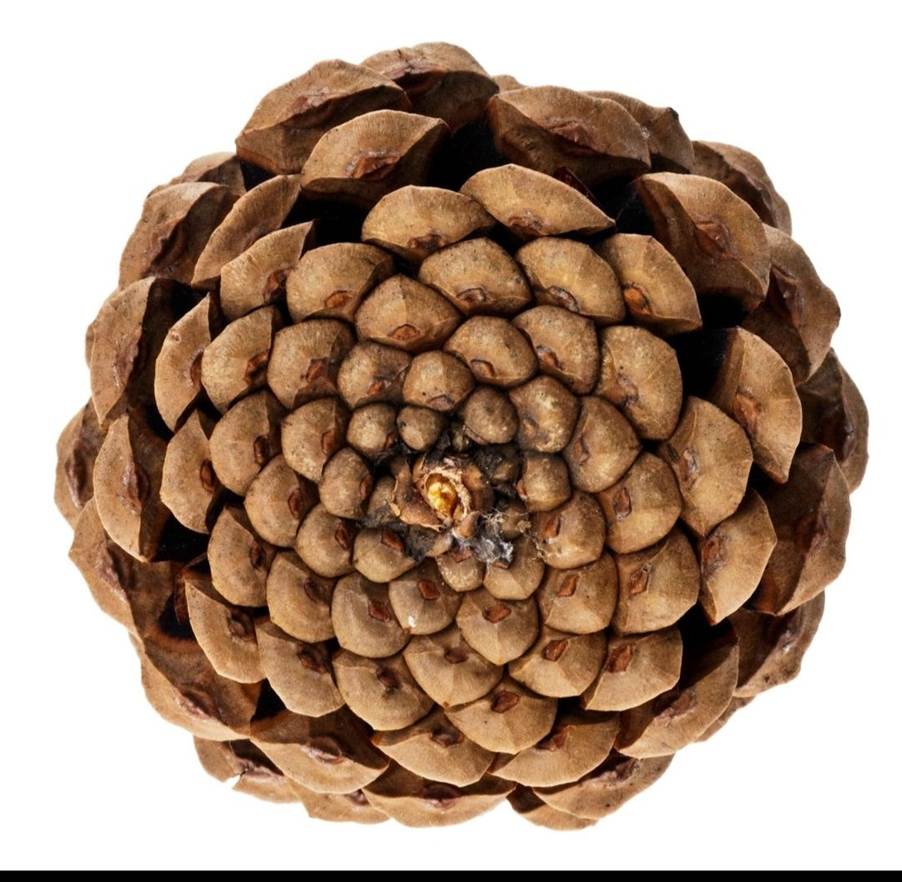
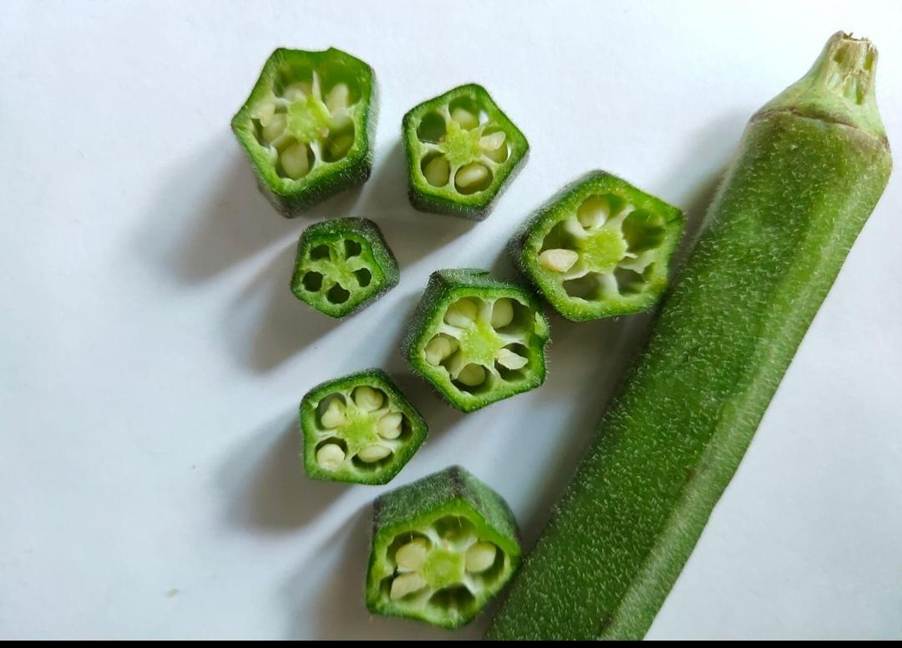
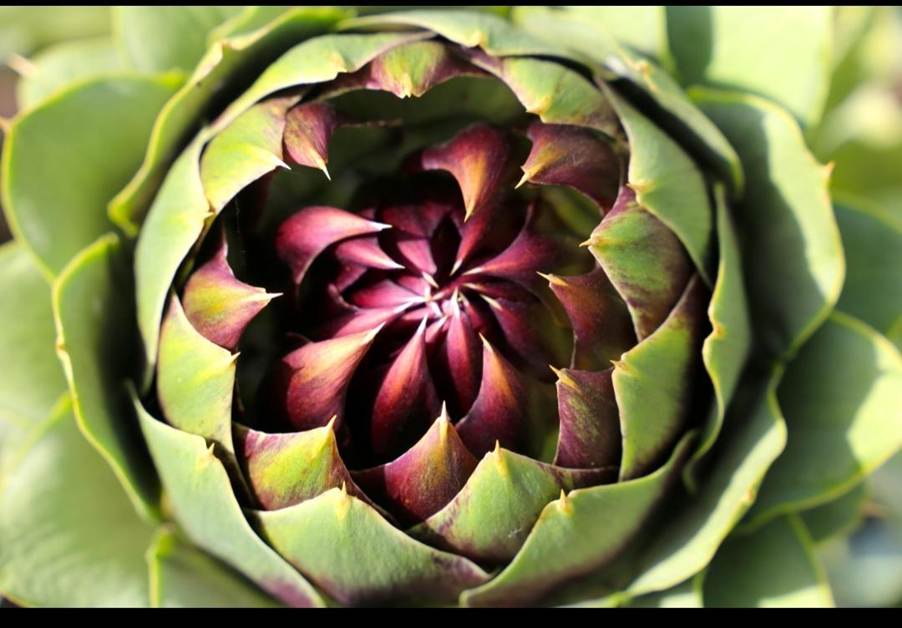
? 6. Pinecone और Artichoke (फूल नहीं लेकिन बहुत अच्छा उदाहरण)
scales spiral में arranged होते हैं
दोनों दिशाओं में Fibonacci numbers दिखाई देते हैं
? छोटा सा निष्कर्ष
? जिन पौधों में center से बाहर की ओर spiral growth होती है
? या जिनमें petals/parts की निश्चित संख्या होती है उनमें अक्सर यह गणित दिखता है।
Project Ideas for Teachers
आप एक बोर्ड बना सकती हैं:
“Maths in Nature Corner”
- Sunflower ?
- Marigold ?
- Cosmos ?
- Pinecone ?
बच्चों से: ✔️ petals गिनवाएँ
✔️ spirals identify करवाएँ


Happy Gardening
Rama Tyagi
tyagirama1 @gmail.com

https://sites.google.com/winfoundations.org/nutrigardenschoolcompetition-w/home
The Nutri-Garden School Competition is a national-level initiative that encourages schools to develop small, diverse gardens with nutrient-rich vegetables, fruits, millets, and indigenous plants using local, sustainable, and organic practices.
It promotes:
- Chemical-free and sustainable farming practices (composting, biofertilizers, natural pest control)
- Better soil health and safe food systems
- Growing nutrient-rich, native and locally suitable plants
- Understanding the interconnectedness of soil health, plant health, and human well-being
Objectives
- Soil and Plant Health Awareness
- Prioritize plan nutrition and human health
- Promote and revive indigenous plants
- STEM base experiential learning
- Encourage leadership and teamwork
- Problem-solving and community interaction
Since our society has been doing tremendous work in this field, all schools who have SNG must apply for this competition. In case of any doubt, please contact Rama ji.
जून महीने में कौन-कौन सी सब्जी ???लगाएं❓
- ? भिंडी – गर्मी और बारिश दोनों मौसम में अच्छी बढ़वार, 45–50 दिन में तुड़ाई शुरू।
- ? लौकी – बरसात के मौसम में तेजी से बढ़ती है, 60–70 दिन में उत्पादन।
- ? तुरई – जून में बुवाई के लिए बढ़िया फसल, जल्दी फल देना शुरू करती है।
- ? खीरा – गर्मी और बारिश दोनों में अच्छी पैदावार, 50–60 दिन में तैयार।
- ? पालक – जून में तेजी से बढ़ती है, 20–25 दिन में कटाई योग्य।
- ? चौलाई – कम समय में तैयार होने वाली हरी सब्जी, 25–30 दिन में कटाई।
- ? बैंगन – बरसात में अच्छी बढ़वार, 60–70 दिन में फल आना शुरू।
- ?️ मिर्च – जून में रोपाई के लिए अच्छा समय, लगातार उत्पादन देती है।
- ? मूली – हल्की बारिश वाले मौसम में अच्छी उपज, 25–30 दिन में तैयार।
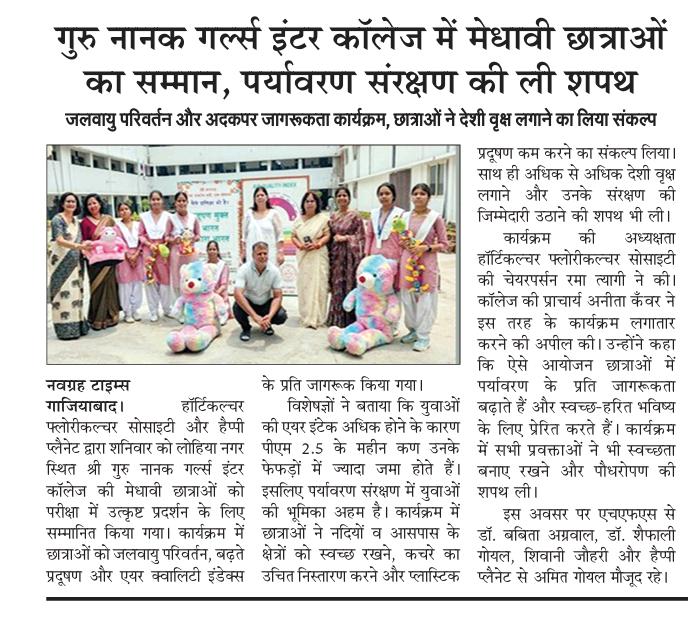

Making a difference, One day at a time..
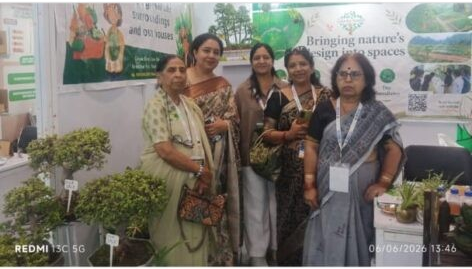
Changes do not happen in one day. They are brought about, one day at a time.
And there is no parallel to what is being sone by HFSOG under the leadership of Rama Tyagi and her gang.
from the lens of the members..