


Beyond the Bloom: Reclaiming the Carbon in Our Gardens
In our efforts to have a perfect bloom—up above, whether in foliage or in any flower, we forget about the chemistry that takes place beneath our feet. Today, let us talk about something fundamental yet often ignored: Soil Organic Carbon (SOC).

Not just as a nutrient, but carbon forms the very backbone of a healthy earth and hence of healthy plants. It is the carbon that makes the soil retain water to a large extent. It is the carbon which helps the soil create breathable structure that allows the roots to stretch and function properly, so that they can absorb the necessary nutrients and help support microbes and fungi. Without the adequate carbon, if we do gardening, we are simply trying to coax life out of the lifeless dirt, and it becomes a struggle that usually needs expensive chemical treatment.
The fact is that currently our soil is devoid of the carbon element. By over tilling our beds, by removing and burning those fallen leaves, and depending heavily on synthetic fertilizers, we expose carbon to oxygen. Over a period of time, this carbon reacts with oxygen to make carbon dioxide and vanishes into the thin air.
The good news? Soil is remarkably resilient, and as gardeners, we are in the best position to “regiment” and rebuild this lost wealth. It starts with simple, intentional shifts in our habits. We must embrace a “no-till” philosophy; every time we turn the soil deeply, we disrupt the delicate fungal networks that store carbon. Instead, we should focus on layering organic matter.
Never leave your soil “naked.” Use wood chips, straw, or even dried leaves to protect the surface. This organic blanket doesn’t just save water; it eventually decomposes, pumping carbon back into the earth. Furthermore, treat composting not as a chore, but as a duty to the land. Every kitchen scrap returned to the soil is a direct investment in the future of your garden.
This month, I encourage you to look past the flowers and focus on the dark, crumbly wealth below. When we feed the soil, the soil truly feeds the soul.
Happy Gardening!

Gardening in March
Best Summer Flowers, Bulbs, and Vegetables for the Indian Climate
India is blessed with distinct seasons, which allows gardeners to grow a wide variety of flowers, bulbs, and vegetables throughout the year. While winter gardens are known for their abundance, summer blooms have their own unique charm.
With temperatures rising above 30°C, the summer season calls for refreshing green spaces. What could be better than relaxing in your own garden filled with vibrant summer flowers? March to April is the ideal time for sowing seeds of summer flowers, planting bulbs, and growing vegetables.
Below is a curated list of low-maintenance, heat-tolerant plants that can be easily grown in pots, balconies, terraces, or ground beds.
🌸 Summer Flowering Plants
- Marigold
- Portulaca
- Hibiscus
- Sunflower
- Zinnia
- Aparajita (Clitoria ternatea)
- Mogra
- Sadabahar (Vinca rosea)
- Pentas
- Mirabilis jalapa (Four o’Clock plant)
- Petunia
- Morning Glory
- Roses
- Kochia
- Gomphrena
- Tithonia
- Rudbeckia
- Coreopsis
- Crossandra
- Plumeria
Potting & Care Tips
- These plants are hardy and drought-tolerant.
- They do not require heavy fertilisation.
- Sow seeds in sand or vermiculite for better germination.
- All plants thrive in full sunlight.
- Avoid over-watering, as it may cause fungal rot.
Common problems:
Aphids, powdery mildew, and aster yellow rot.
🌱 Summer Bulbs
- Caladium
- Scadoxus (Football Lily)
- Tuberose (Rajnigandha)
- Lycoris
- Gloriosa Lily
- Costus (Ginger Lily)
- Canna
Planting Method
Prepare a potting mix using:
- 3 parts garden soil
- 2 parts sand
- 2 parts compost
- 2 parts leaf mould
- 1 part neem cake + bone meal
- Plant one bulb in a 6-inch pot.
- Place broken pot pieces at the bottom for drainage.
- Position the bulb with the nose facing upward.
- Cover lightly with soil and water sparingly.
- Do not water again until new growth appears.
🥬 Summer Vegetables
Suitable vegetables for summer include: Lady’s finger, cucumber, bitter gourd, bottle gourd, ridge gourd, sponge gourd, pumpkin, muskmelon, watermelon, jimikand, spine gourd, drumstick, cowpea, brinjal, coriander, and summer varieties of radish.
Sowing Guidelines
- Soak seeds overnight before sowing.
- Prepare potting mix using soil, compost, and neem khali.
- Sow 2–3 seeds in 18–20 inch containers.
- Cover seeds lightly with soil.
- Germination usually occurs within 7–10 days.
- Mint plants should be fertilised with vermicompost after removing weeds. Spread runners if overgrown.
🌿 Staking & Protection
- Most summer vegetables are climbers and require early staking.
- Install supports at the initial stage, not after growth begins.
- Remove excessive side shoots early.
- Spray neem oil or dashparni ark periodically.
- Use pheromone and fruit-fly traps for crop protection.
💧 Water & Seasonal Care
- Repot lotus and water lilies now if not already done.
- Fertilise aquatic plants after repotting.
- Adeniums should be brought out of shelter, repotted, and fertilised—blooms will follow soon.
- Continue watering and fertilising cactus, but
- Stop watering succulents unless they show signs of need.
- Prefer bottom watering or sand-bed watering.
- Keep succulents in bright light but away from harsh sun.
🌴 Evergreen & Tropical Plants
Group plants together to maintain humidity. The following can be planted:
Azalea, begonia, geranium, croton, aglaonema, dieffenbachia, peperomia, philodendron, alocasia, and Syngonium.
- These plants are in active growth phase.
- Fertilise twice a month.
- Water early morning or late evening.
🌱 Always Remember:
- Buy seeds from reputable sources.
- Treat seeds with fungicide before sowing.
- Practice crop rotation.
- Adopt organic gardening methods.
- Avoid chemical pesticides and fertilisers.
- Eat what you grow, and grow what you eat.
🌼 Happy Gardening 🌼
Rama Tyagi

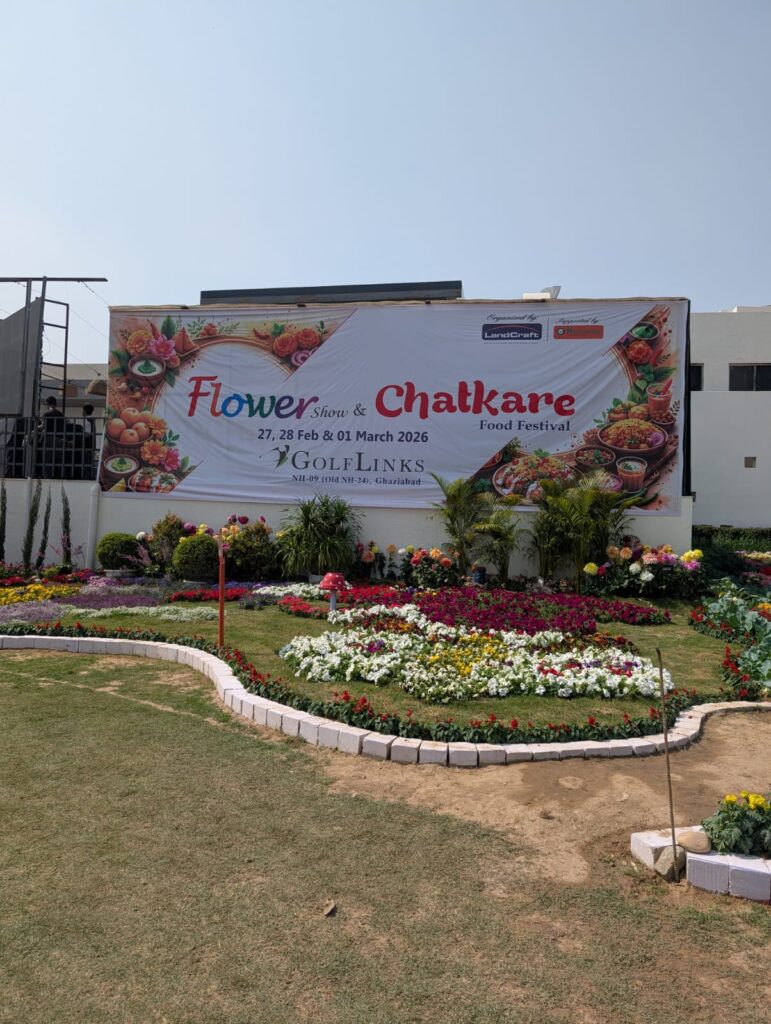
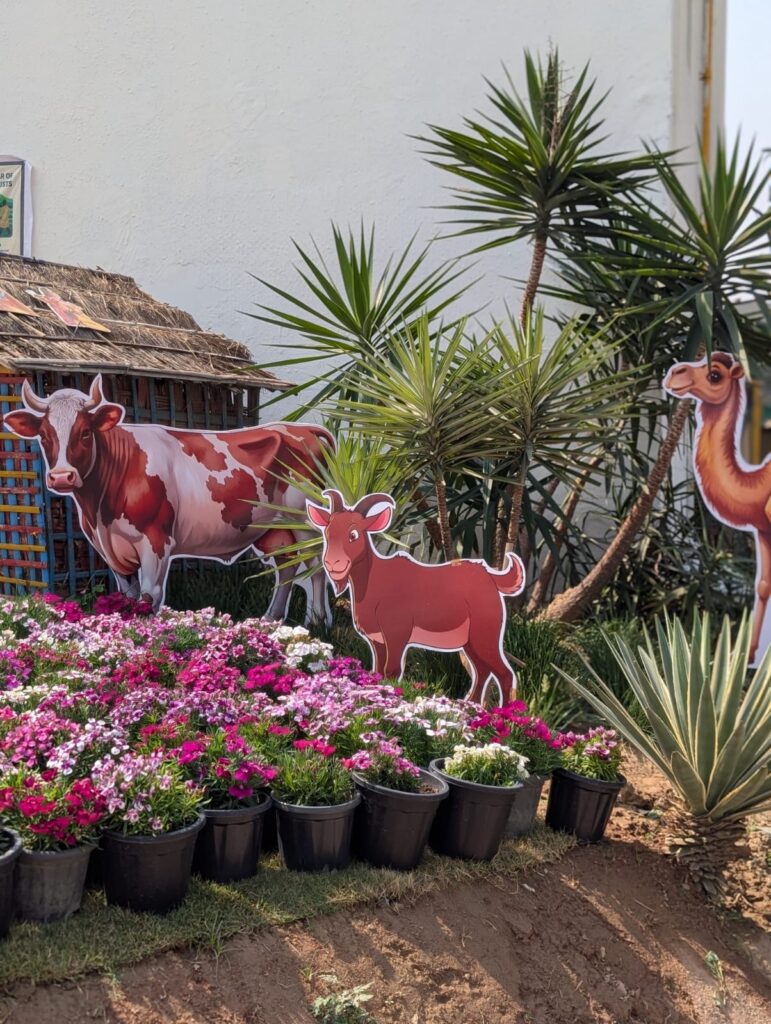
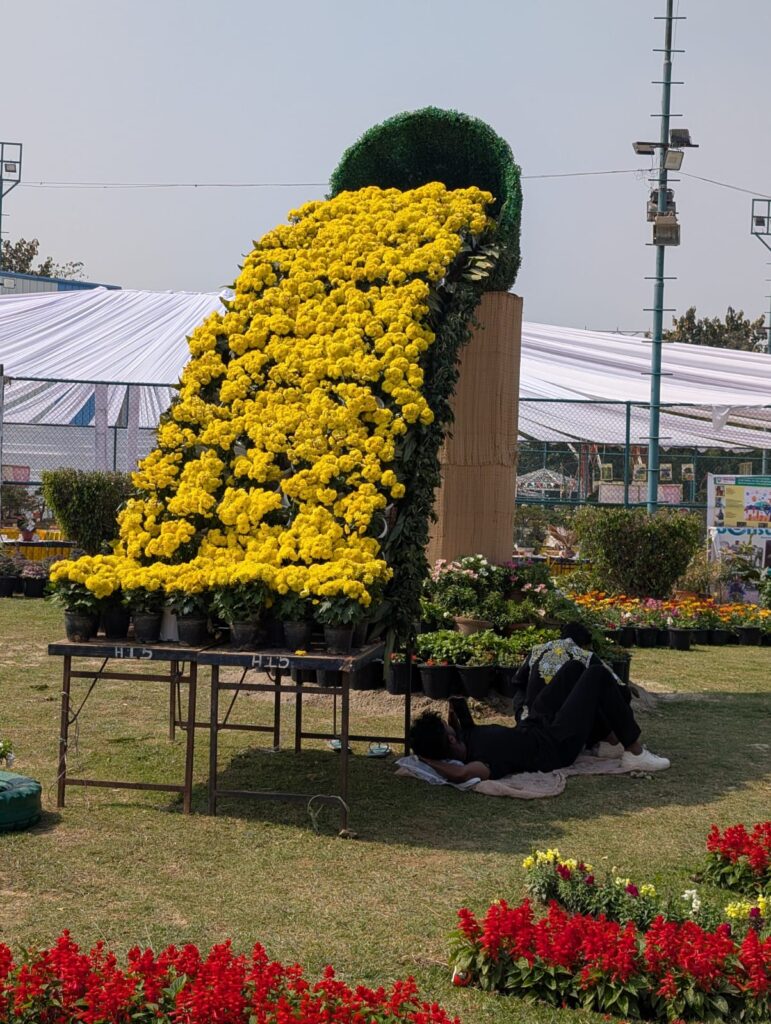
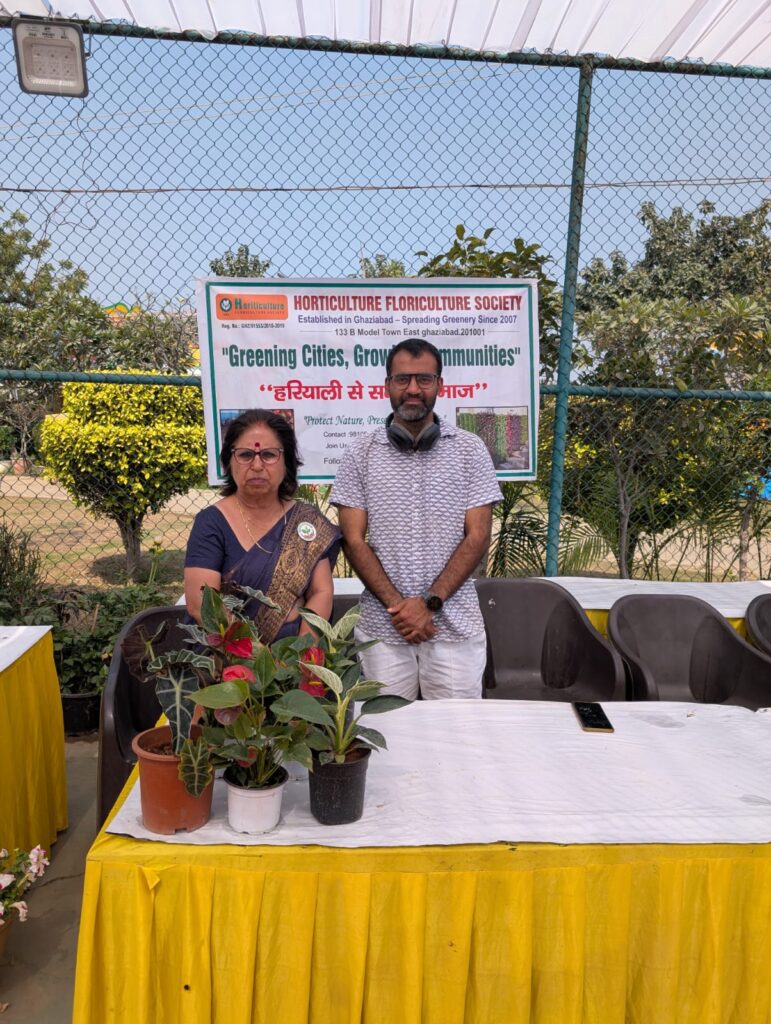
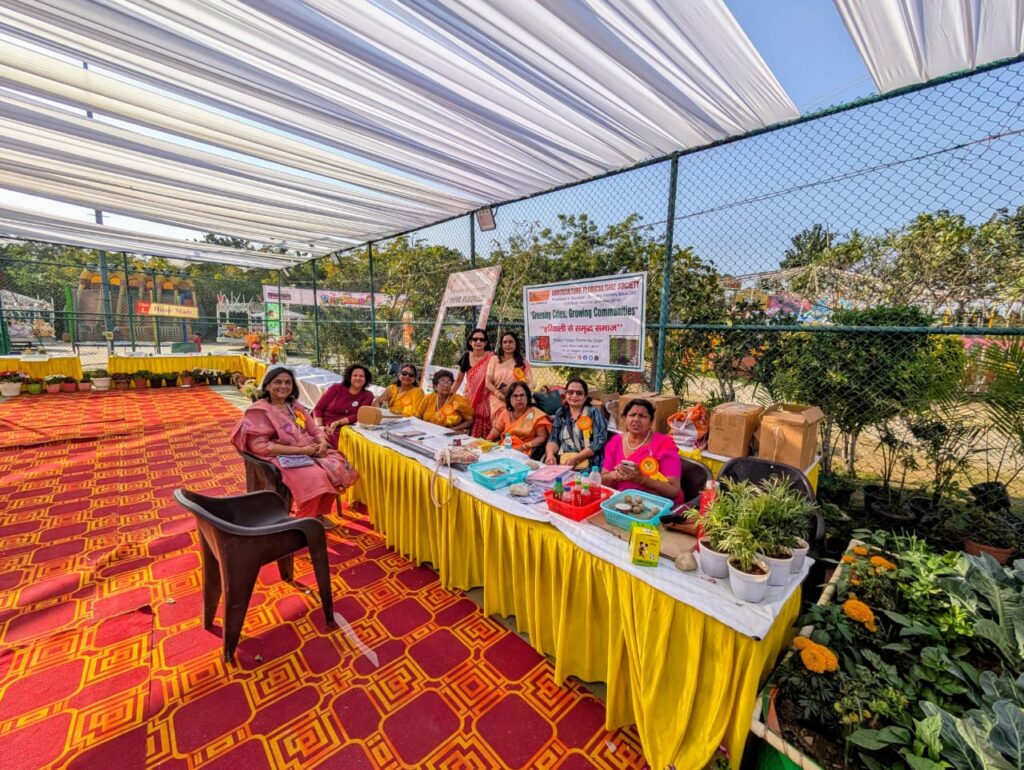
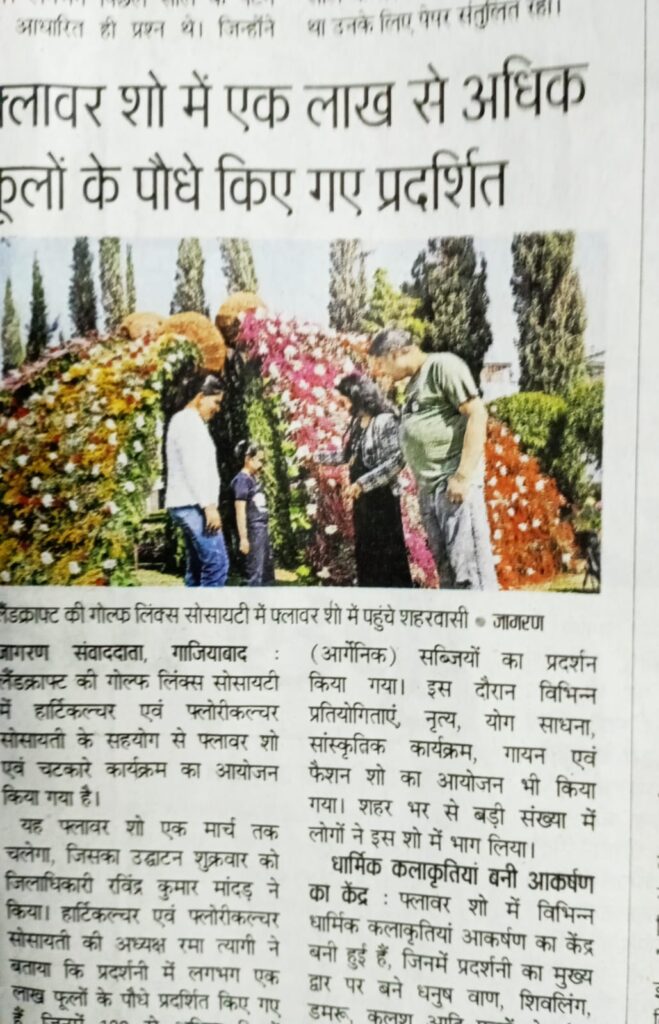
The Horticulture and Floriculture Society (HFS) Ghaziabad, in collaboration with Landcraft Developers, organized its 12th Annual Flower Show & Chatkare Food Festival from February 27 to March 1, 2026. The event took place at Landcraft Golf Links, NH-24 (NH-09), Ghaziabad.

Inauguration
The show was officially inaugurated on February 27, 2026, by the District Magistrate (DM) of Ghaziabad, Ravindra Kumar Mandaar (IAS). He performed the ribbon-cutting ceremony and praised the society’s efforts in promoting environmental conservation and urban gardening.



Major Highlights and Events
The three-day festival was a blend of floral beauty, environmental education, and culinary delights. Key features included:
- Floral Displays: Thousands of varieties of flowers were on display, including Dahlias, Petunias, Pansies, Marigolds, and Salvias. Special sections were dedicated to Bonsai, Cacti, and Succulents.
- Themed Gardening: Exhibits focused on Vertical Gardening (ideal for high-rise apartments), Organic Gardening, and Miniature/Fairy Landscapes.
- Oxy-Parlour: A dedicated zone for Air-Purifying Plants and Immunity-Boosting Medicinal Plants, which saw high interest from health-conscious visitors.
- Chatkare Food Festival: The culinary segment featured a wide array of street food and “Indianized” cuisines, including the famous “Pijja Chatkare” and various regional delicacies.
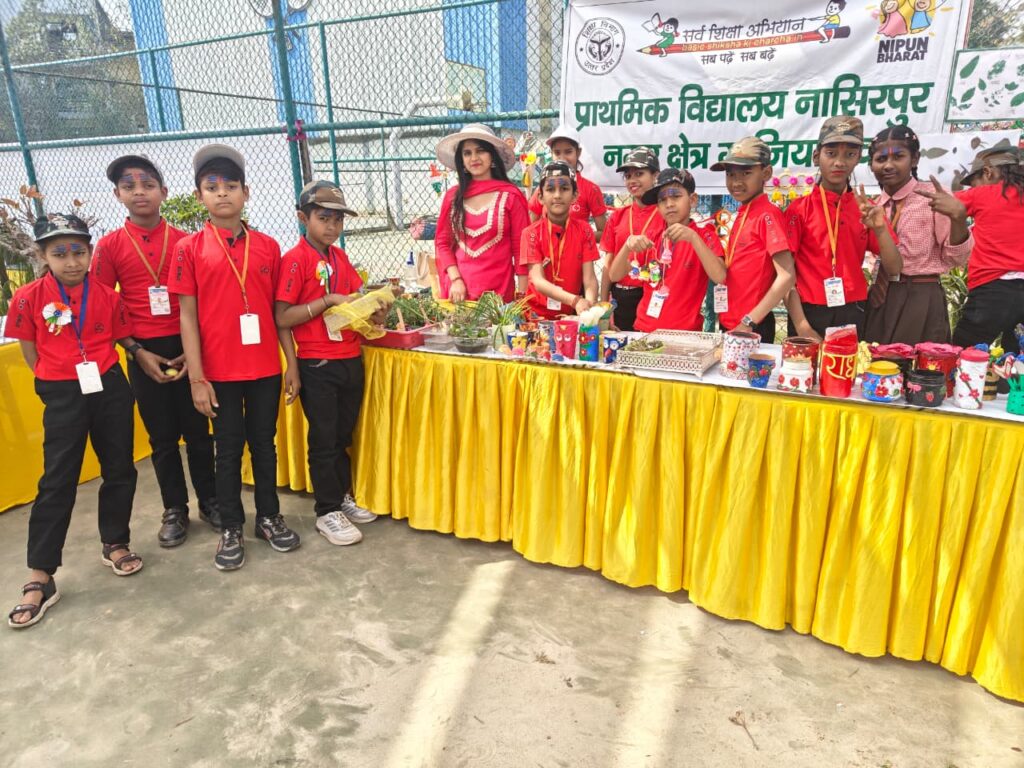
- Competitions: Various categories of competitions were held for potted plants, hanging baskets, and home-grown vegetables, with participation from local residents, nurseries, and institutions like the Ghaziabad Development Authority (GDA).
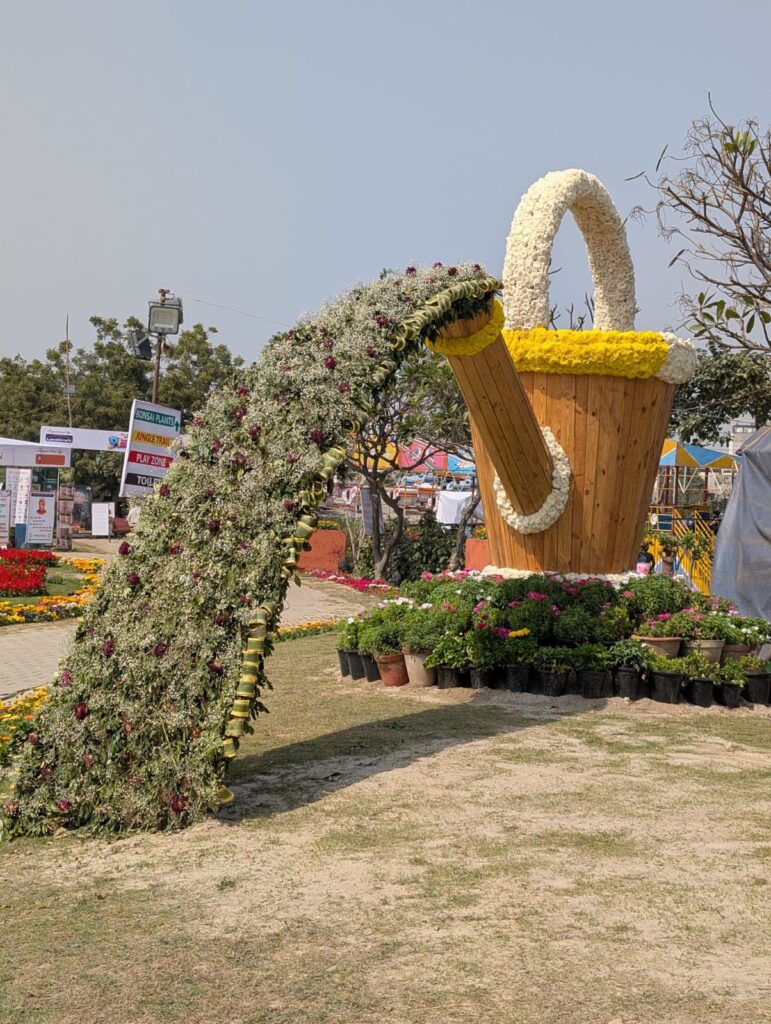
- Cultural Programs: Evening activities included music, selfie points decorated with floral structures (hearts and pyramids), and interactive workshops on composting and “Jugaad” gardening techniques for small spaces.
The event concluded on March 1st with a prize distribution ceremony led by the society’s chairperson, Mrs. Rama Tyagi.
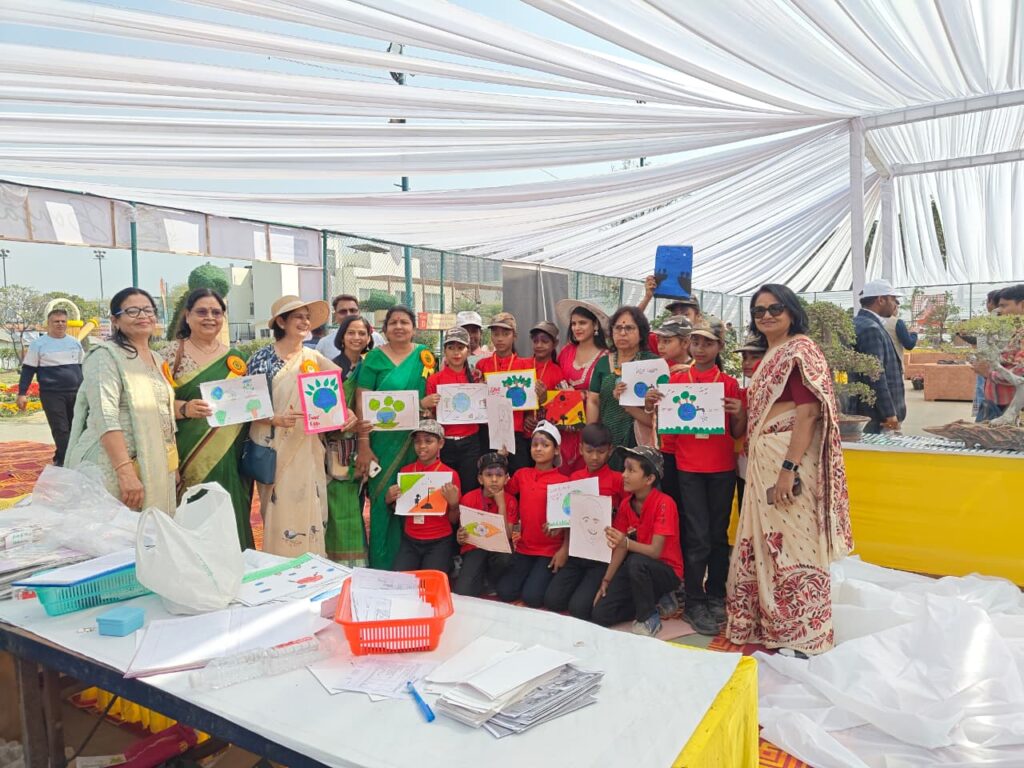
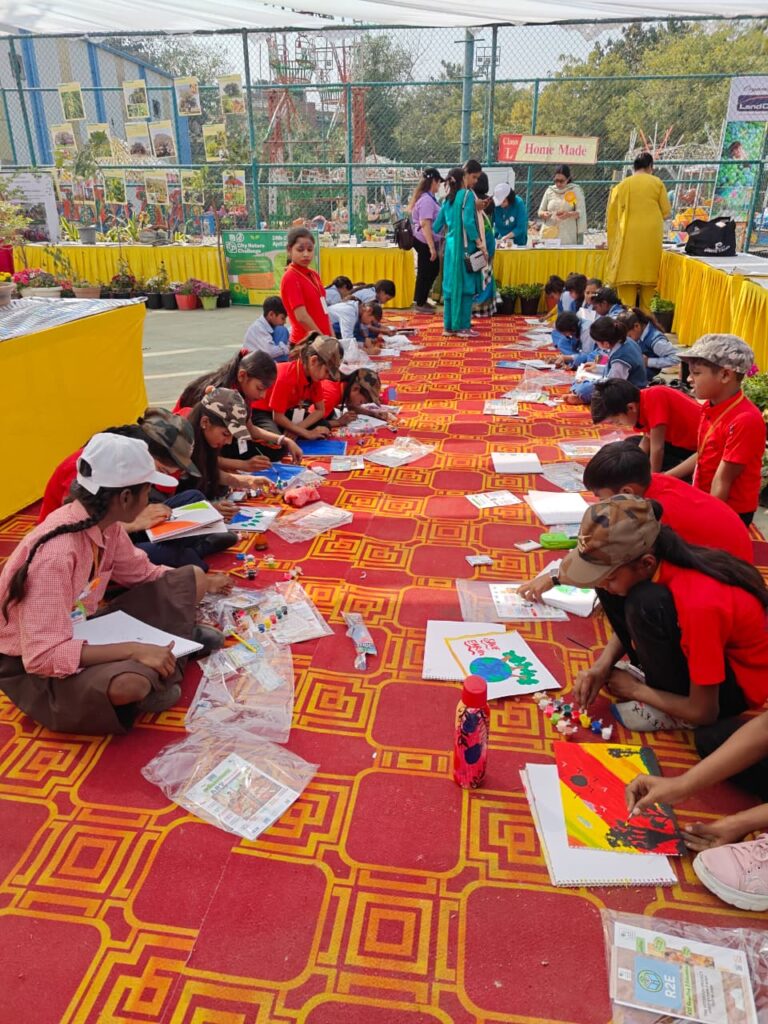
The process of handing over the reigns to next gen…..
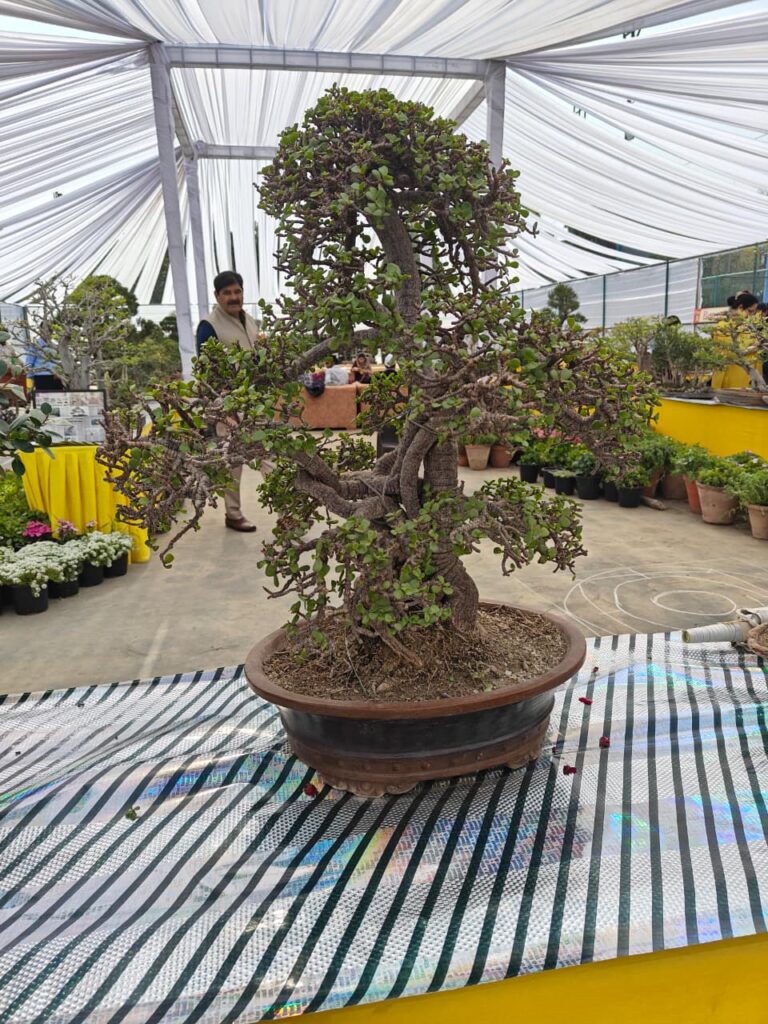
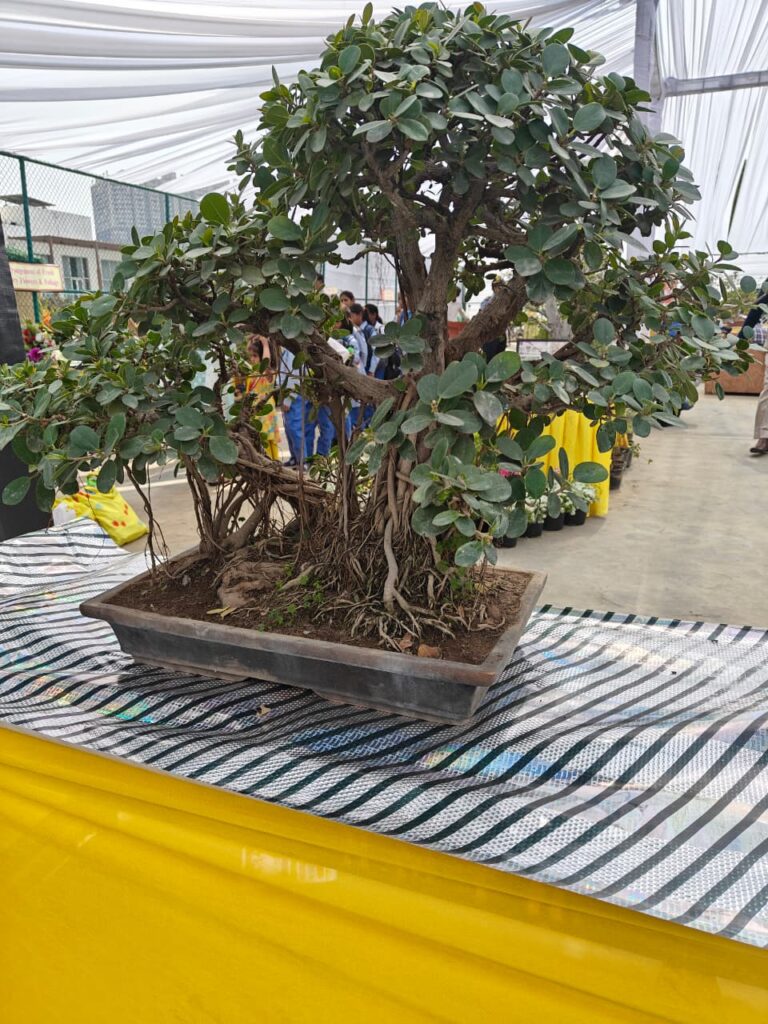
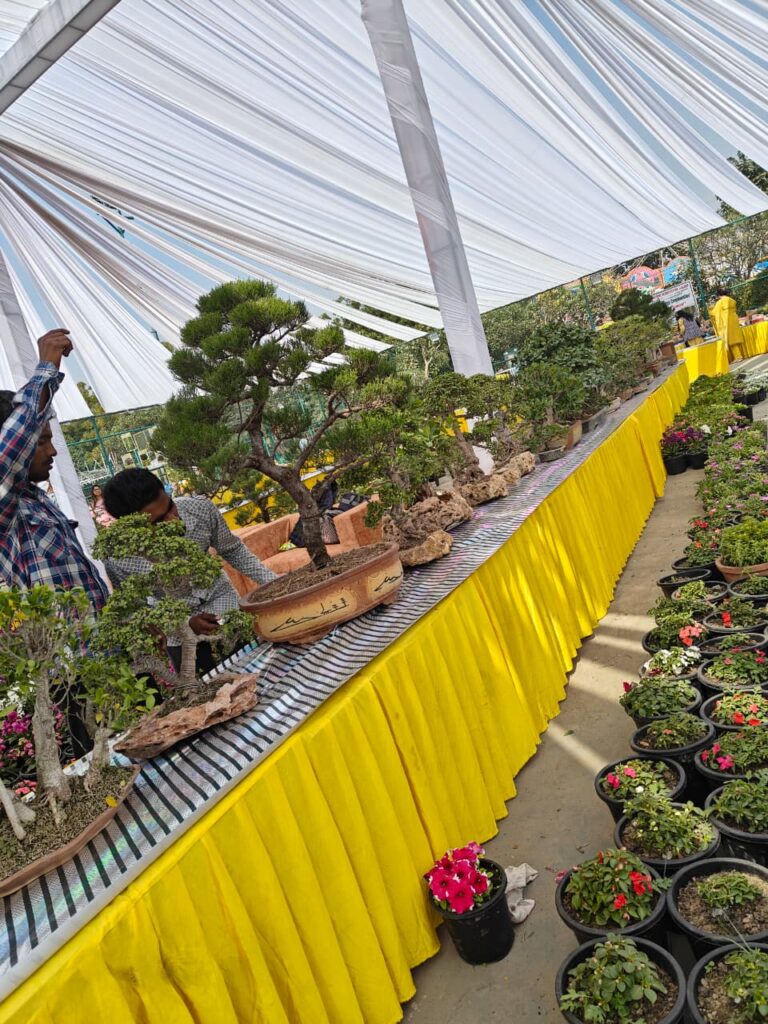






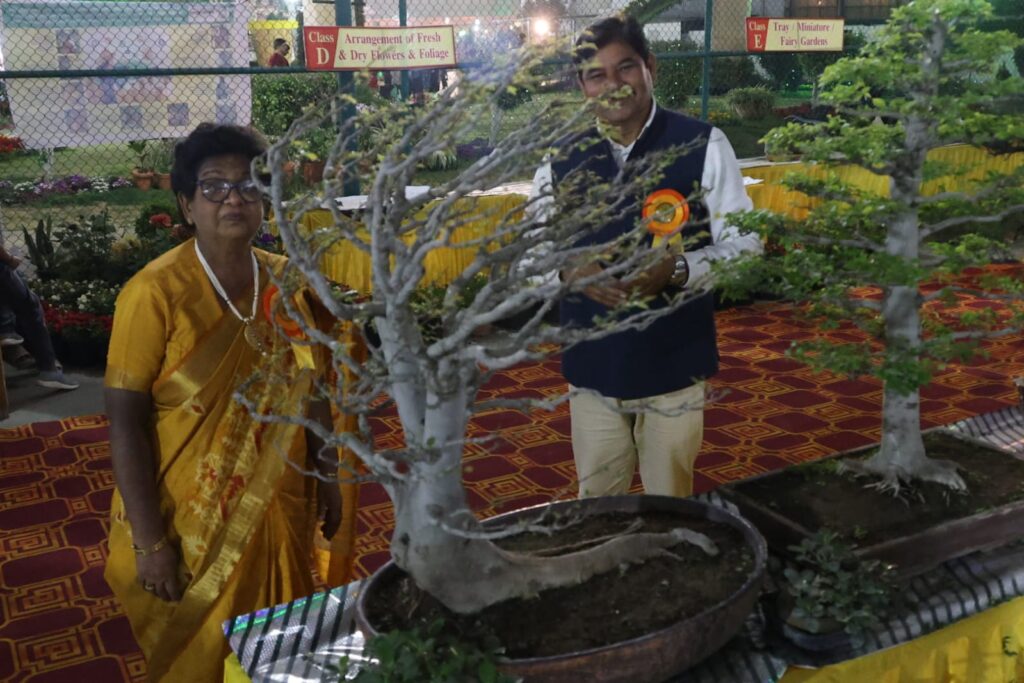
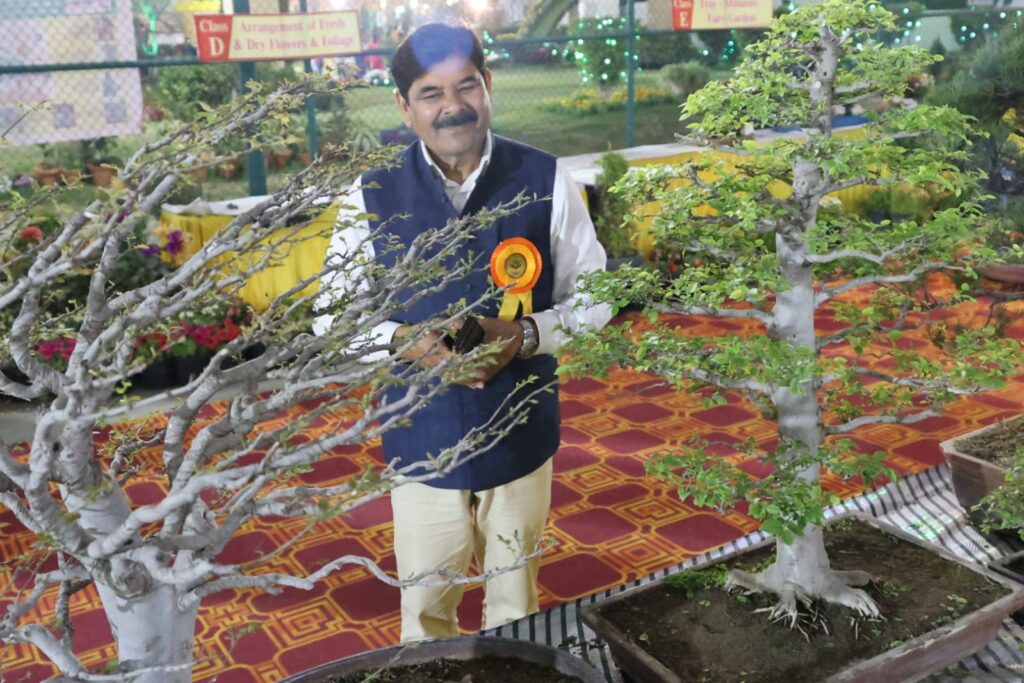

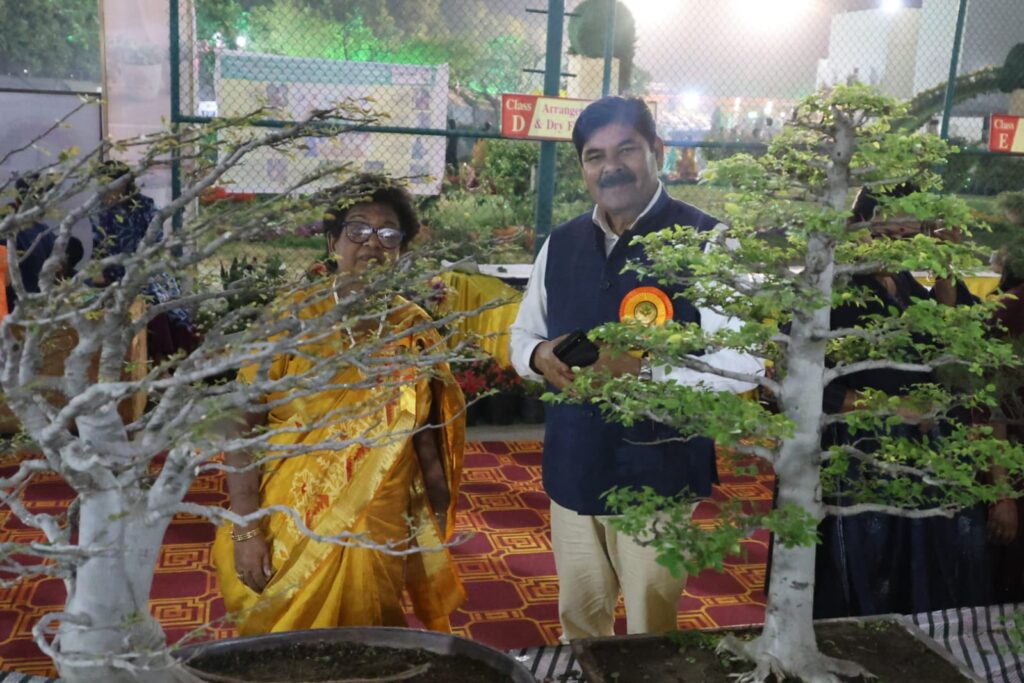
The master of BONSAI..Mr Jaipal Singh
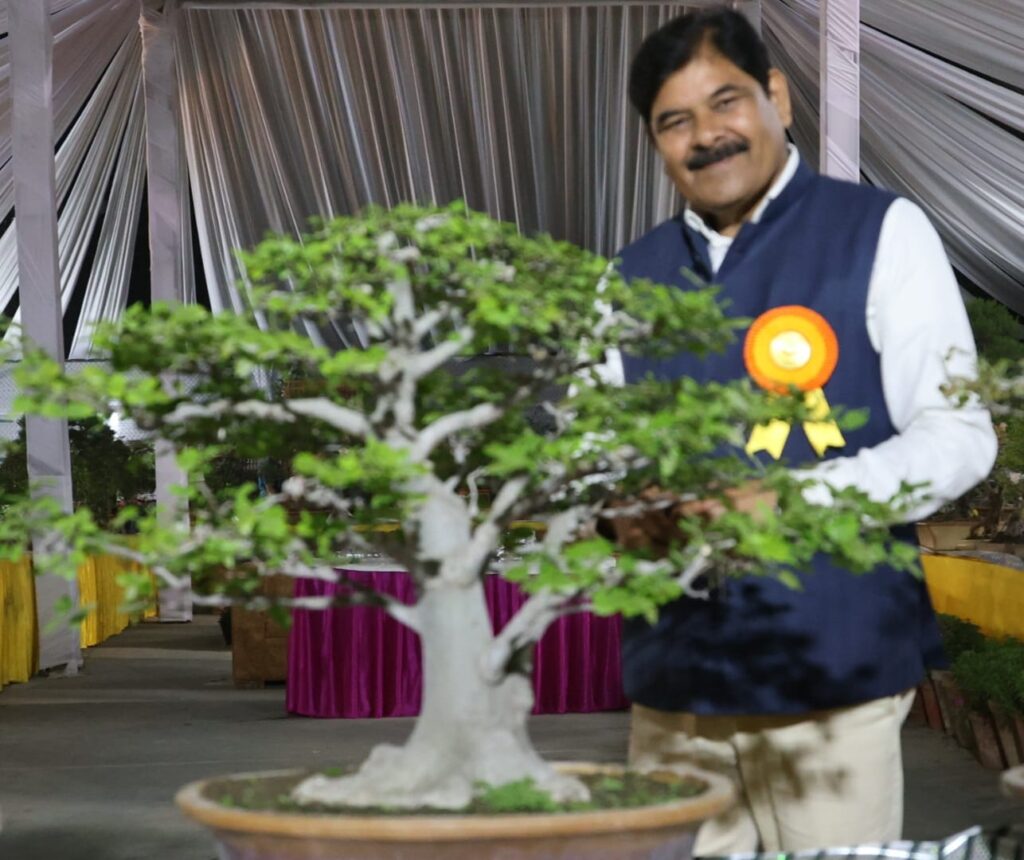
Society is grateful for the tremendous efforts put by the members.
हॉर्टिकल्चर फ्लोरीकल्चर सोसायटी की ओर से मैं उन सभी समर्पित सदस्यों के प्रति अपनी हार्दिक कृतज्ञता व्यक्त करती हूँ, जिनके अथक परिश्रम, सहयोग और प्रकृति प्रेम से पुष्प प्रदर्शनी अत्यंत सफल रही।
विशेष धन्यवाद:
🌼 डी. के. शर्मा
🌼 सोनिया अग्रवाल
🌼 बबीता अग्रवाल
🌼 कृष्णा गर्ग एवं कुसुम गर्ग
🌼 प्रभा रानी
🌼 शिवानी जौहरी
🌼 अंजली गोयल
🌼 शैफाली अग्रवाल
🌼 मधु अग्रवाल
🌼 शिवानी त्यागी
🌼 अर्चना प्रमोद
🌼 मेधा जोशी
🌼 जयजीत डे
🌼 नीलम शर्मा
🌼 शैलजा मिश्रा
🌼 पी. के. मल्होत्रा
आप सभी की सृजनात्मकता, अनुशासन, टीम भावना और बागवानी के प्रति समर्पण प्रदर्शनी के प्रत्येक कोने में झलकता रहा।
आपके सहयोग से यह आयोजन केवल एक कार्यक्रम नहीं, बल्कि प्रकृति और सामूहिक प्रयास का उत्सव बन सका।
आप सभी का पुनः हृदय से धन्यवाद।
रश्मि अग्रवाल
अध्यक्ष
हॉर्टिकल्चर फ्लोरीकल्चर सोसायटी
Heartfelt Gratitude – Flower Show 2026 🌺
On behalf of the Horticulture Floriculture Society, I extend my sincere appreciation to our dedicated members whose passion, hard work, and commitment made the Flower Show a grand success.
Special thanks to:
🌼 D K Sharma
🌼 Sonia Agrawal
🌼 Babita Agarwal
🌼 Krishna Garg & Kusum Garg
🌼 Prabha Rani
🌼 Shivani Johri
🌼 Anjali Goel
🌼 Shaifali Agarwal
🌼 Madhu Agarwal
🌼 Shivani Tyagi
🌼 Archana Pramod
🌼 Medha Joshi
🌼 Jayjit Day
Shailja Mishra
P.K Malhotra ji
Your creativity, discipline, teamwork, and love for gardening truly reflected in every corner of the exhibition. Each plant displayed and every responsibility handled carried your personal touch and dedication.
Because of members like you, our flower show is not just an event — it is a celebration of nature, community spirit, and shared vision.
With heartfelt gratitude,
Rama Tyagi
Chairperson
Horticulture Floriculture Society
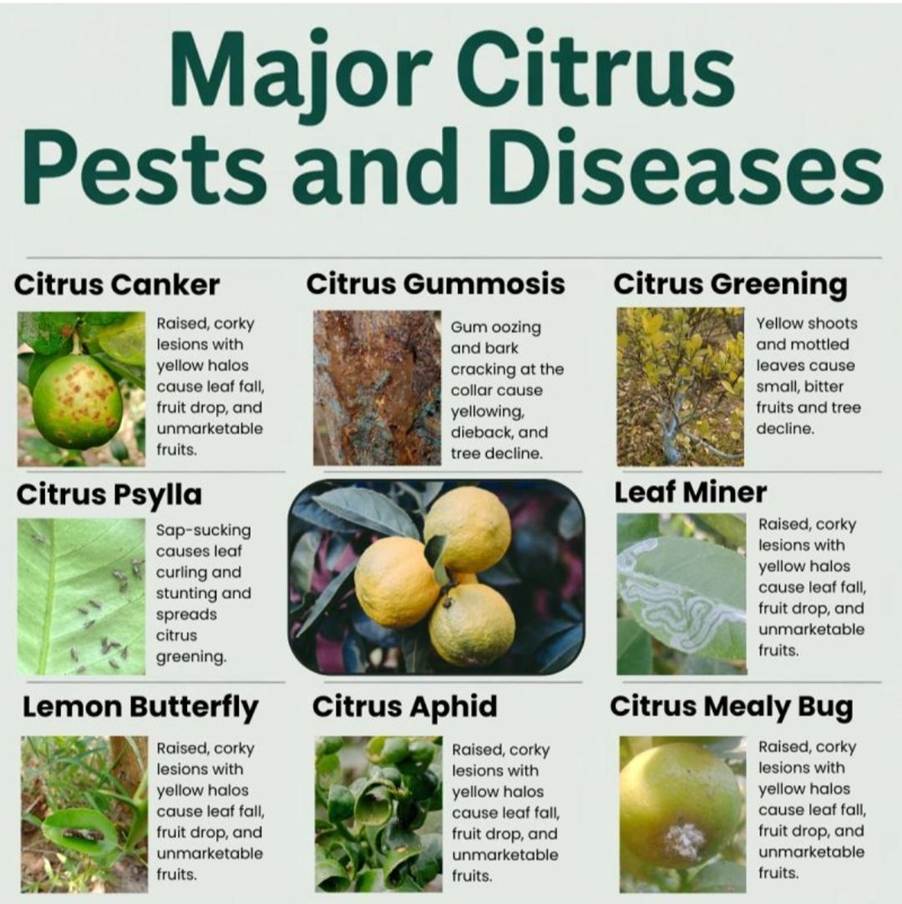
Major Pests and Diseases of Citrus Crops
(Know them early, protect your trees better)
Citrus fruits like lemon, orange, kinnow, and mosambi are grown widely across India. However, their productivity and fruit quality are often affected by pests and diseases. Early identification and timely management are the key to keeping citrus orchards healthy and profitable.
Below are some major citrus pests and diseases, explained in simple terms.
1. Citrus Greening (HLB)

This is one of the most serious citrus diseases.
Main symptoms
- Yellow shoots
- Blotchy yellow-green patches on leaves
- Small, misshapen, bitter fruits
- Gradual decline and death of the tree
How it spreads: Spread by a small insect called citrus psylla. Once a tree is badly affected, recovery is very difficult, so prevention is extremely important.
2. Citrus Psylla
This tiny sap-sucking insect is dangerous because it spreads citrus greening.
Damage symptoms
- Leaf curling
- Poor growth and stunted plants
- Weak new shoots
It is most active during spring and monsoon flush. Regular monitoring during new leaf growth is essential.
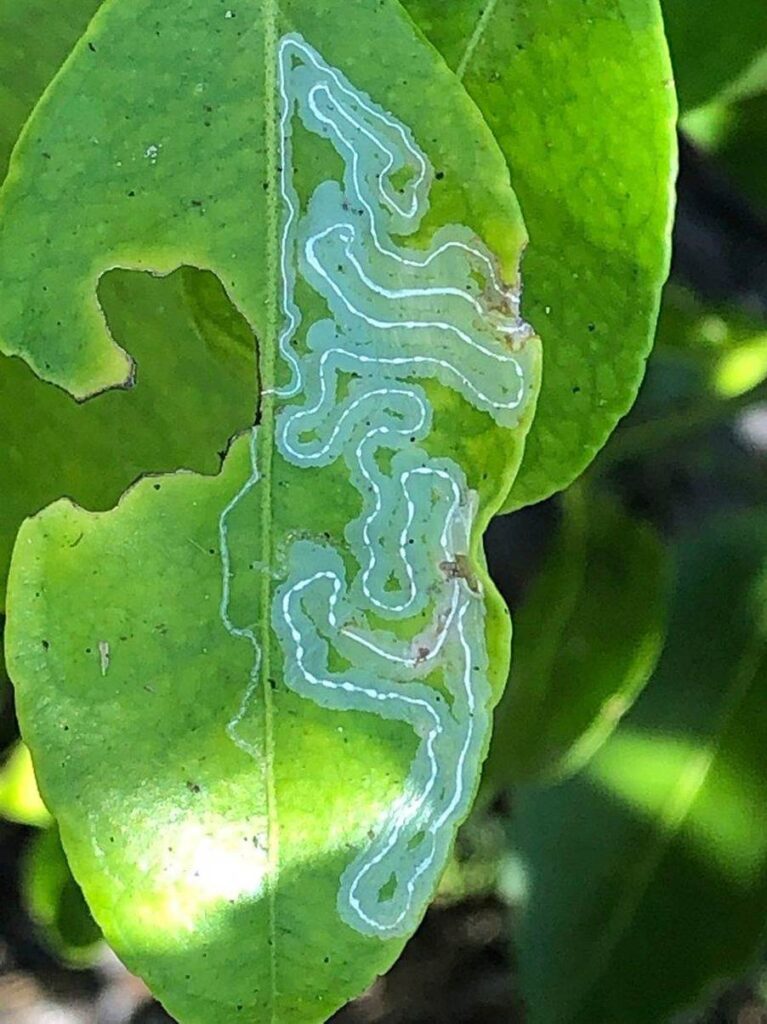
3. Citrus Leaf Miner
This pest mainly attacks young leaves.
Damage symptoms
- Zig-zag or serpentine lines on leaves
- Leaf curling and distortion
- Reduced photosynthesis
- Increased chances of citrus canker infection
- Young plants and nursery plants are most vulnerable.
4. Lemon Butterfly
The caterpillar of this butterfly feeds heavily on citrus leaves.
Damage symptoms
- Severe leaf eating
- Complete defoliation in nurseries
- Weak plant establishment
Economic threshold
1–2 caterpillars per plant need immediate attention
Hand picking in small gardens can be very effective.
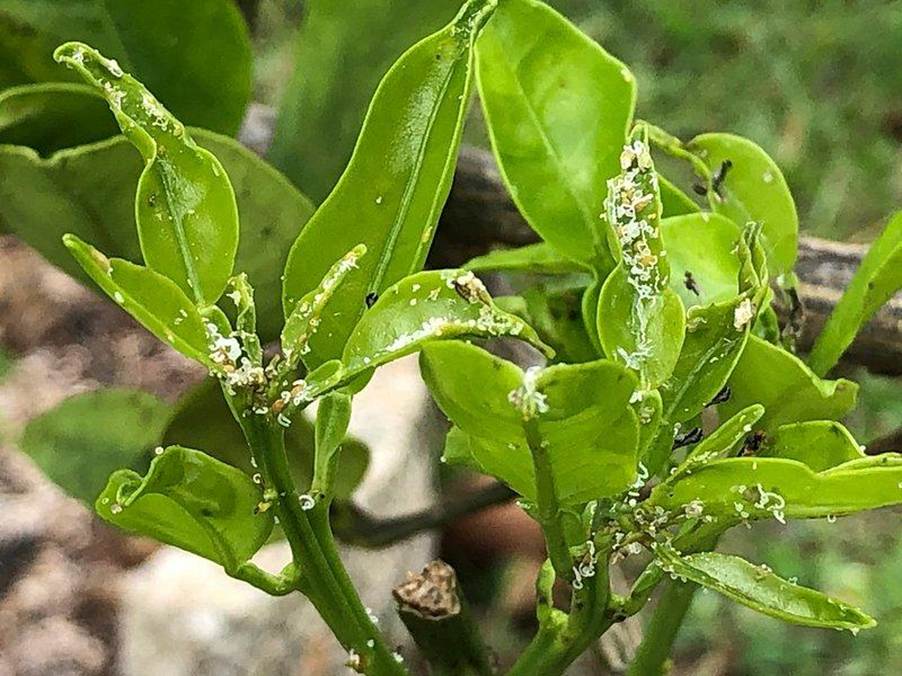
5. Citrus Aphid

Aphids suck plant sap and multiply very fast.
Damage symptoms
- Leaf curling and yellowing
- Stunted plant growth
- Sticky honeydew on leaves, leading to sooty mould
They also weaken the plant and reduce fruit yield.
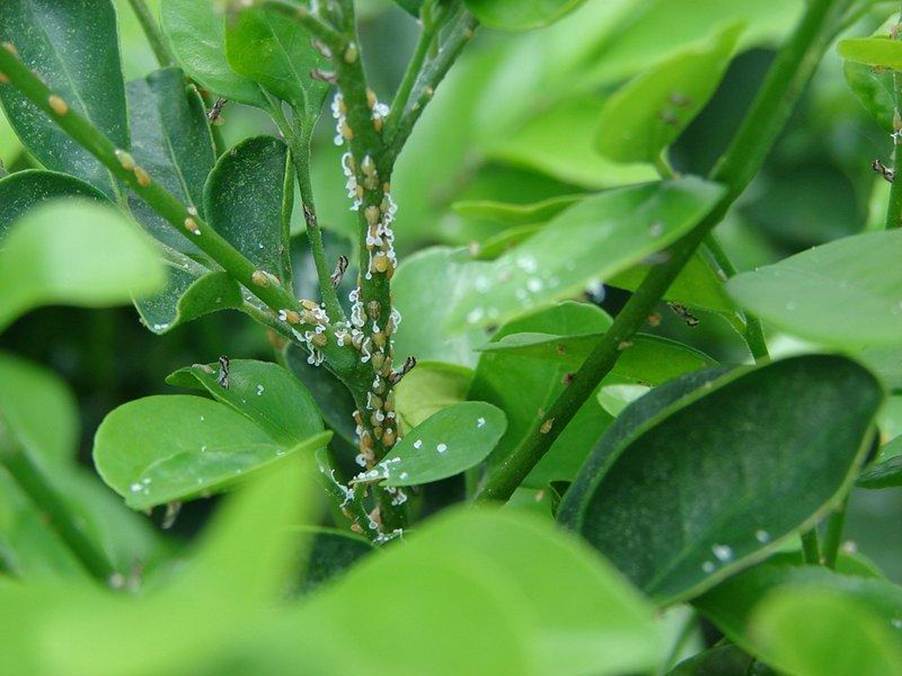
6. Citrus Mealy Bug
This pest affects leaves, stems, and fruits.
Damage symptoms
- Sap sucking causing wilting
- Fruit drop
- White cotton-like insects on plant parts
Honeydew and black sooty mould reduce fruit quality.
Ant control is important, as ants help spread mealy bugs.
Conclusion
Healthy citrus production depends on:
- Early detection
- Use of clean, disease-free planting material
- Regular monitoring
Integrated Pest Management (IPM) practices
A timely and balanced approach not only protects the crop but also improves fruit quality and farmer income.
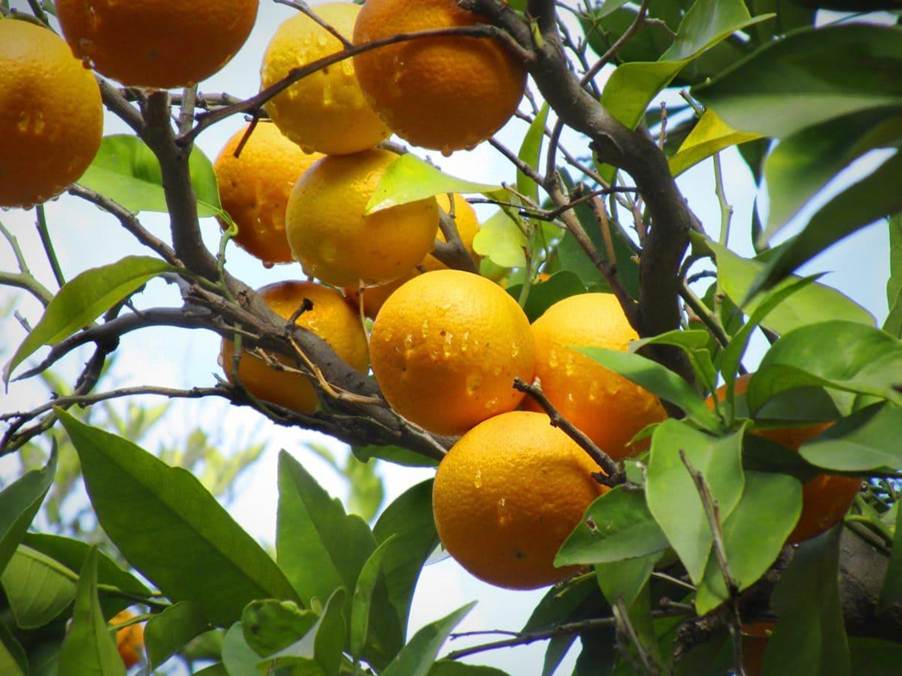
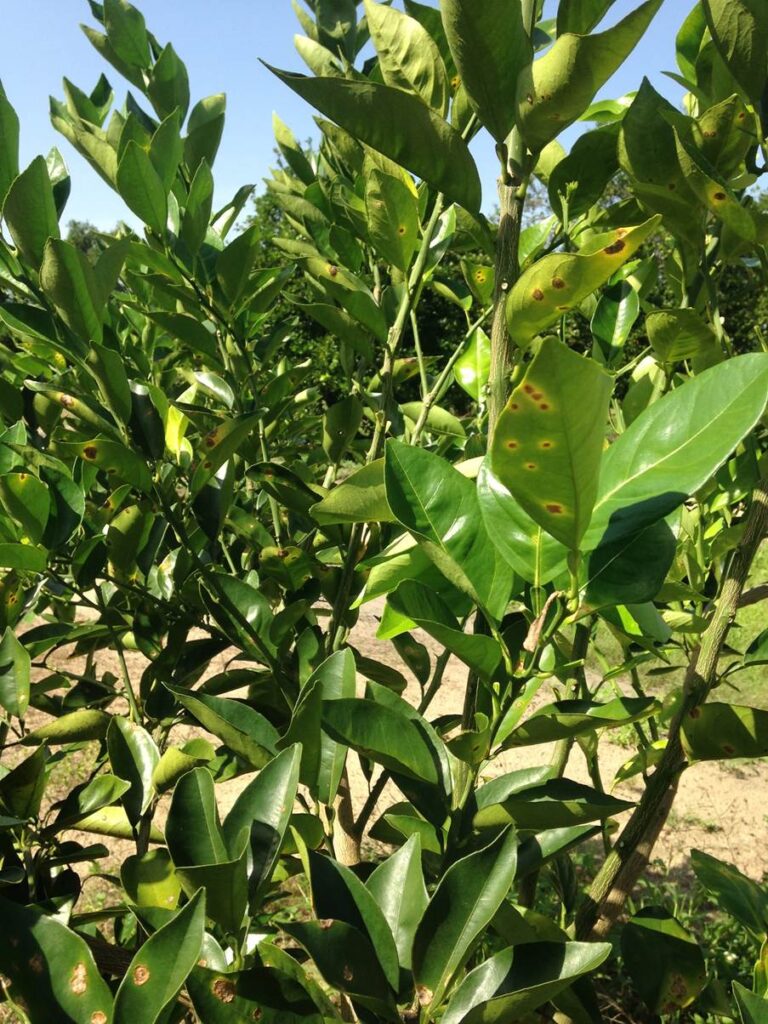

Hope this will help you to have a good crop of citrus fruits.
Happy Gardening
Rama Tyagi
Common Garden Pests: Identify Early, Protect Crops Better! 🌱
Garden pests like aphids, whiteflies, thrips, cutworms, leaf miners, and mites can seriously damage crops if not identified early. These insects suck plant sap, chew leaves, and spread diseases. Regular field scouting, integrated pest management (IPM), and timely use of bio & chemical control methods help protect yield and crop quality.
एफिड्स, व्हाइटफ्लाई, थ्रिप्स, कटवर्म, लीफ माइनर और माइट्स जैसे कीट फसलों को भारी नुकसान पहुँचा सकते हैं। ये कीट पौधों का रस चूसते हैं, पत्तियाँ खाते हैं और बीमारियाँ फैलाते हैं। समय पर पहचान, नियमित निगरानी, और समेकित कीट प्रबंधन (IPM) से फसल की उपज और गुणवत्ता सुरक्षित की जा सकती है।
🌾 Healthy plants = Healthy harvest!
5 Garden Trends That Are Changing What Yards Look Like Across the Countries
01.Chaos Gardening
:max_bytes(150000):strip_icc():format(webp)/2026-gardening-trends-GettyImages-953023732-e66aa8f4c19e4e4eb37a1e98ae4c10c2.jpg)
In 2026, gardeners are stepping away from rigid rules and hyper manicured gardens and embracing a more relaxed, nature-first approach. Wildflowers and “chaos gardening” are at the center of this shift. The idea is to throw caution (and your seeds) into the wind, and then to reap the beautiful rewards.
“These wildflower gardens support biodiversity by creating essential habitats for bees, butterflies, and beneficial insects, all while taking the pressure off the gardener,” says Rebecca Sears, gardening expert and CMO at Ferry-Morse. “They allow plants, pollinators, and local wildlife to do what they do best.”
She adds that one of the best things about wildflowers is how forgiving they are. You don’t need perfect soil or constant attention—just select a wildflower seed mix that’s appropriate for your region. Scatter the seeds and water lightly to get them established. From there, nature takes over.
02.Eco-Conscious Swaps
:max_bytes(150000):strip_icc():format(webp)/2026-gardening-trends-GettyImages-2162768558-152092f87994485d9ba9367c709075ae.jpg)
This garden trend will only continue gaining momentum in 2026. The idea is to create a garden that benefits your local environment and supports biodiversity—and you can start small. There are many things that can be done to improve the ecology of a garden, says Andrew Bunting, vice president of horticulture at the Pennsylvania Horticultural Society.
“Switch from a gas-powered lawn mower or leaf blower to one that is battery operated. Leave the leaves, meaning leave some of the leaves in beds as natural mulch so it can also provide coverage for overwintering native insects,” he suggests. “Plant some native plants to support native pollinators. Reduce a small portion of your lawn each year and expand your gardens.” 03of 05
03.Organic Edible Gardens
:max_bytes(150000):strip_icc():format(webp)/2026-gardening-trends-GettyImages-2188957880-97092bb5ef29473bb68390b7125ba318.jpg)
More gardeners are prioritizing what goes into their food and that starts at the seed level. “People want confidence that their vegetables, herbs, and flowers are grown without synthetic chemicals, especially as home gardening becomes a family activity,” Sears says. “Choose certified organic seeds to set yourself up for success from day one. Pair them with healthy soil and consistent watering, and you’re already halfway there.”
As for what you grow, prioritize veggies and herbs that you know your family will enjoy, and that thrive where you live.04of 05
04.Hydrangea Hype
:max_bytes(150000):strip_icc():format(webp)/2026-gardening-trends-GettyImages-1172049229-dd4188a6965a4c19b15fab21778959e4.jpg)
In the past 20 years, Bunting says there has been a global renaissance for what was once considered an old-fashioned shrub.
“This resurgence of hydrangeas also catalyzed many hydrangea breeding programs, which have resulted in hundreds of new hydrangea cultivars including the notable Endless Summer hydrangeas, as well as many other notable series and cultivars,” he says.
If you want in on the hydrangea fun, he says to choose a variety based on the location your shrub will go. For example, Hydrangea macrophylla and Hydrangea serrata are the hydrangeas with colorful flowers and prefer filtered shade, while the smooth hydrangea and oakleaf hydrangea flower best in full sun. 05of 05
05.Micro Gardening
:max_bytes(150000):strip_icc():format(webp)/2026-gardening-trends-GettyImages-648592264-cce1cef7b7bc4246b9e8e4eb090a170b.jpg)
Many believe having a garden meant you needed a big yard, but this is not true. Whether you have a petite plot, a balcony, or simply a kitchen counter, you can grow your own flowers and foods.
“This year, gardeners will continue maximizing indoor growing, patios, balconies, raised beds, and window boxes with plants that deliver high impact where there is limited space, from compact vegetables to pollinator-friendly flowers,” Sears says. “Choose seeds bred for containers or compact growth, and don’t underestimate the power of vertical space.”
(Adapted from https://search.app/RhBnS)
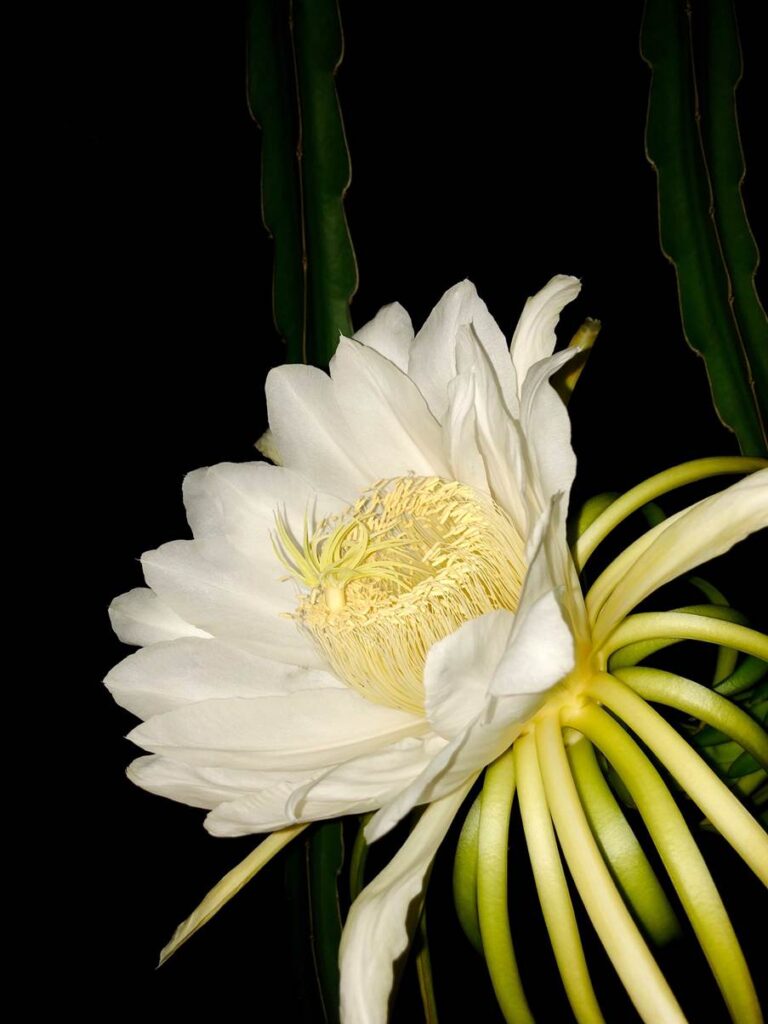
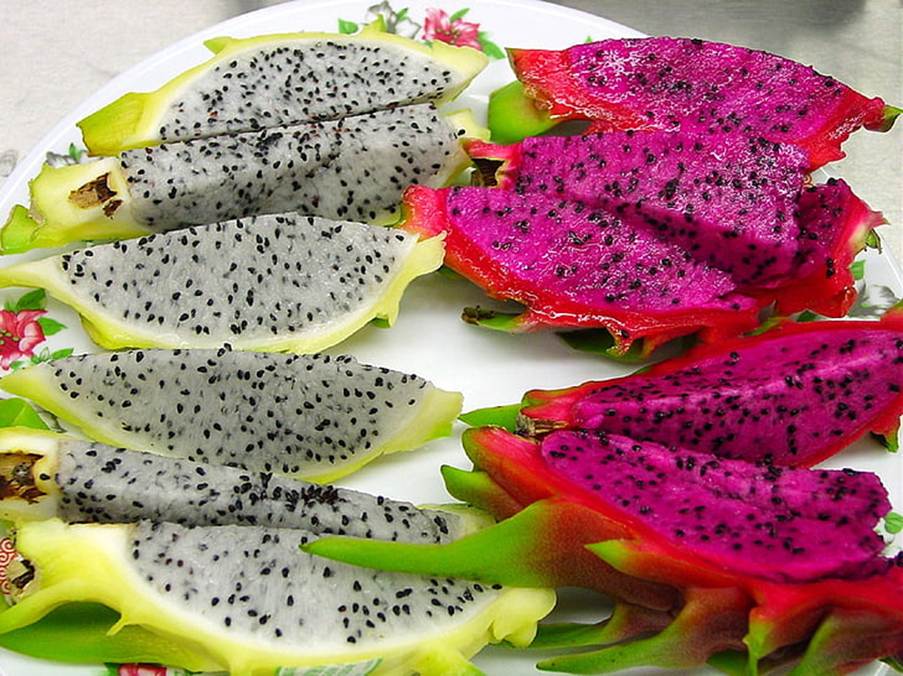
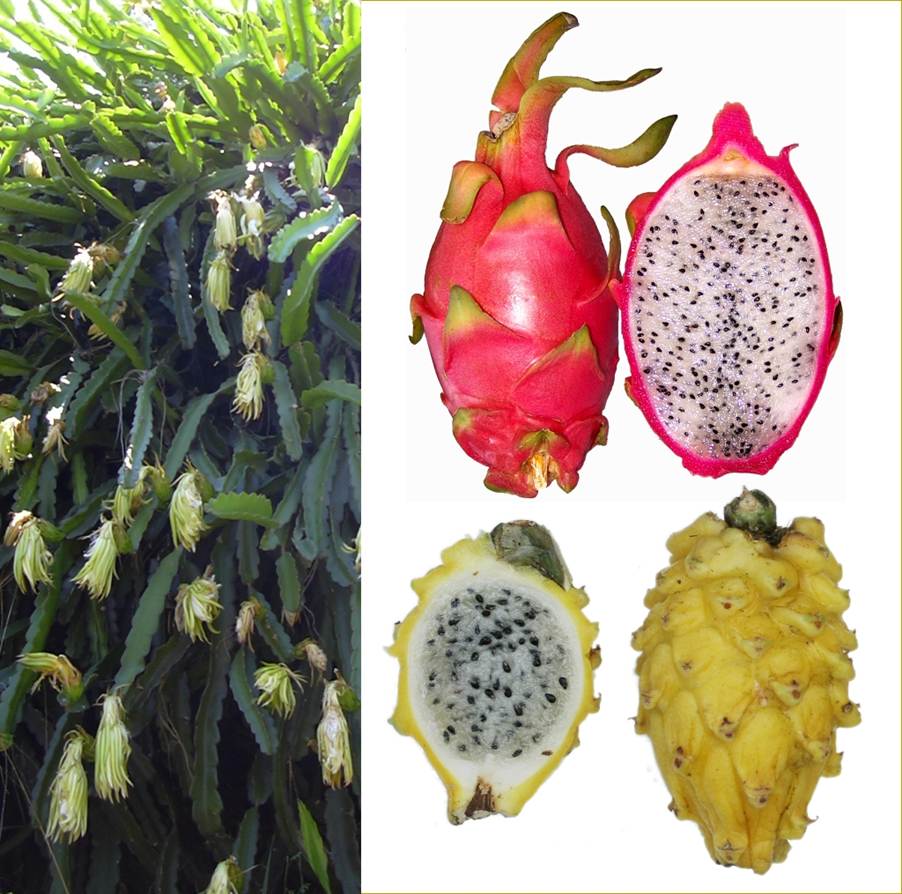
Dragon Fruit Farming – A Profitable Crop of Modern Times
English Article
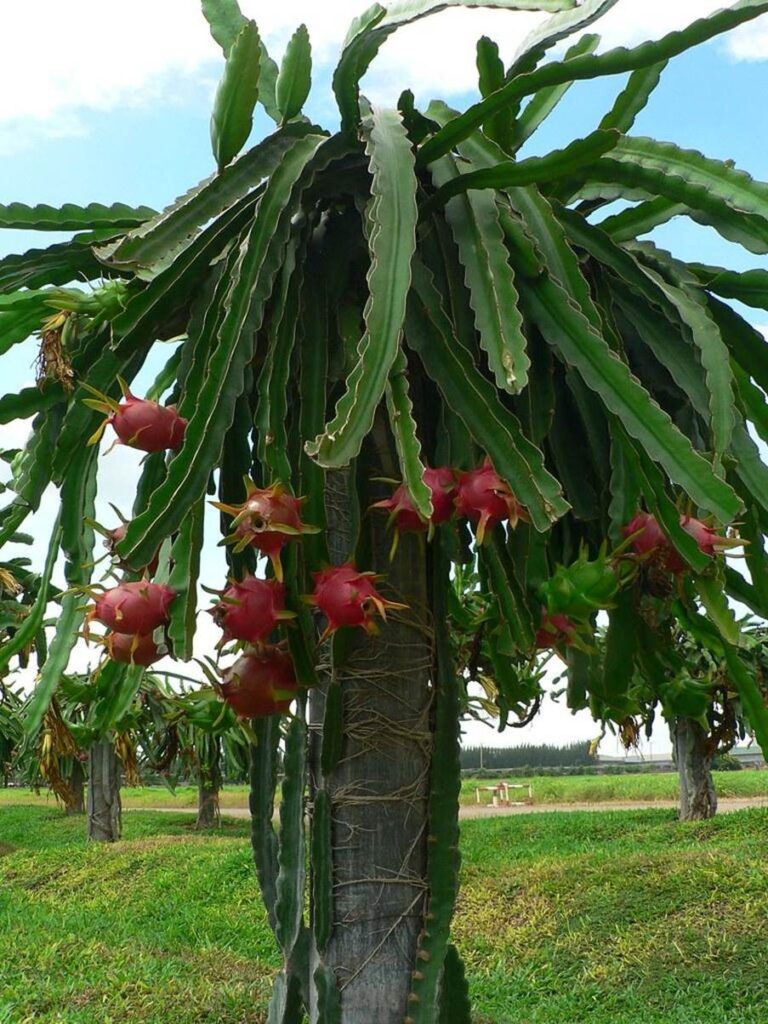
Dragon fruit farming is becoming very popular in India because it is a high-value crop, requires less water, and grows well in warm climates. It is a cactus plant that can grow easily in many parts of the country.
Climate and Soil
Dragon fruit grows well in warm and dry climates. It can tolerate heat and needs well-drained sandy or loamy soil. Waterlogging should be avoided.
Planting Method
Dragon fruit plants are usually grown using cuttings. Plants are planted near cement or concrete poles for support because the plant is a climbing cactus. Generally 3–4 plants are planted around one pole.
Spacing between poles is usually 2–3 meters. A field can accommodate about 1700–2000 plants per hectare.
Care and Fertilizer
The crop requires:
- Regular light irrigation
- Organic manure or compost
- Proper support structure
Organic farming practices help improve soil health and fruit quality.
Flowering and Harvest
- The plant usually starts producing fruit after 12–18 months. Fruits are harvested 3–4 times in a season.
- Each plant can produce 5–6 kg fruits per year, and the yield increases as the plant matures.
Health Benefits
Dragon fruit is very nutritious and rich in:
- Vitamin C
- Antioxidants
- Fiber
It helps in improving digestion, boosting immunity, and controlling cholesterol.
Economic Benefits
Dragon fruit has high market demand and good prices in the market. Farmers can earn good income from this crop with relatively low maintenance and water requirements.
Because of these benefits, dragon fruit farming is emerging as a modern and profitable farming option for farmers.
सरल हिंदी लेख
आधुनिक समय की लाभकारी फसल – ड्रैगन फ्रूट की खेती
ड्रैगन फ्रूट आज के समय की बहुत लाभकारी और आधुनिक फसल मानी जा रही है। यह एक कैक्टस वर्ग का पौधा है जो कम पानी में भी अच्छी तरह उग जाता है और किसानों को अच्छा लाभ दे सकता है।
जलवायु और मिट्टी
ड्रैगन फ्रूट की खेती के लिए गर्म और सूखी जलवायु उपयुक्त होती है।
यह पौधा रेतीली या दोमट मिट्टी में अच्छे से उगता है। खेत में पानी का ठहराव नहीं होना चाहिए।
रोपण विधि
ड्रैगन फ्रूट की खेती आमतौर पर कटिंग से तैयार पौधों से की जाती है।
पौधों को सहारा देने के लिए सीमेंट या कंक्रीट के खंभे लगाए जाते हैं।
एक खंभे के चारों ओर सामान्यतः 3–4 पौधे लगाए जाते हैं।
खंभों के बीच दूरी लगभग 2–3 मीटर रखी जाती है।
देखभाल और खाद
इस फसल में निम्न बातों का ध्यान रखना चाहिए:
हल्की और नियमित सिंचाई
गोबर की खाद या कम्पोस्ट
पौधों को मजबूत सहारा
जैविक खेती करने से मिट्टी की उर्वरता भी बनी रहती है।
फल लगना और उत्पादन
ड्रैगन फ्रूट का पौधा लगभग 12–18 महीनों में फल देना शुरू कर देता है।
एक पौधे से साल में लगभग 5–6 किलो फल मिल सकते हैं।
स्वास्थ्य लाभ
ड्रैगन फ्रूट बहुत पौष्टिक फल है। इसमें
विटामिन C
फाइबर
एंटीऑक्सीडेंट
प्रचुर मात्रा में पाए जाते हैं। यह शरीर की प्रतिरोधक क्षमता बढ़ाने और पाचन सुधारने में मदद करता है।
आर्थिक लाभ
ड्रैगन फ्रूट की बाजार में मांग और कीमत अच्छी होती है।
कम पानी और कम देखभाल में भी यह अच्छी आमदनी देने वाली फसल है।
इसलिए आज के समय में ड्रैगन फ्रूट की खेती किसानों के लिए एक लाभकारी विकल्प बन रही है।


Happy Growing
Rama Tyagi
tyagirama1 @gmail.com
आम के पौधों में डाईबैक (Dieback) की समस्या के लिए जैविक उपचार:
- Tricoderma: त्रिकोदर्मा एक जैविक फफूंदनाशक है जो डाईबैक के कारण बनने वाले फफूंद को मारता है। इसे पौधे के जड़ में डालें और पत्तियों पर स्प्रे करें।
- नीम का तेल: नीम का तेल एक प्राकृतिक फफूंदनाशक है जो डाईबैक के कारण बनने वाले फफूंद को मारता है। इसे पानी में मिलाकर पौधे पर स्प्रे करें।
- बेकिंग सोडा और पानी का घोल: 1 चम्मच बेकिंग सोडा को 1 लीटर पानी में मिलाकर पौधे पर स्प्रे करें। इससे फफूंद की परत हट जाएगी।
- गोमूत्र: गोमूत्र एक जैविक फफूंदनाशक है जो डाईबैक के कारण बनने वाले फफूंद को मारता है। इसे पानी में मिलाकर पौधे पर स्प्रे करें।
- पौधे की सफाई: पौधे के प्रभावित हिस्से को साफ करने के लिए एक नरम ब्रश या कपड़े का उपयोग करें। इससे फफूंद की परत हट जाएगी।
- हवा और धूप: पौधे को अच्छी तरह से हवा और धूप मिले, इससे फफूंद की वृद्धि रुक जाएगी।
डाईबैक को रोकने के लिए:
- पौधे की नियमित सफाई: पौधे की नियमित सफाई करें और प्रभावित हिस्से को हटाएं।
- पानी की व्यवस्था: पौधे को सही तरीके से पानी दें, ज्यादा पानी न दें।
- हवा और धूप: पौधे को अच्छी तरह से हवा और धूप मिले।
- फफूंदनाशक का उपयोग: फफूंदनाशक का उपयोग करें, लेकिन पहले पौधे के एक छोटे हिस्से पर परीक्षण करें।
Thank you so much Rama di for sharing Everything very beautifully and simply explained..Ye dil mange more looking forward to many more such contents
I really loved the topic “Beyond the Bloom: Reclaiming the Carbon in Our Gardens”. Credible information contrary to popular beliefs.