


How can we compensate by plants, if we destroy by forests…
True there…
Of late, the legal cover of the forests has been overhauled with amendment to Forest Conservation Act 1980. The cornerstone is compulsory afforestation on non-forest land to compensate for diversion of forest land for non-forest purpose.
Activities in the forests which were banned have been allowed. Of course in lieu of compulsary afforestation.
It calls for calculating the Net Present Value (NPV) of the forest in question. So, the forests, sort of, have been tagged as commodities. Hence whereas the way has been carved for the approvals to be dished out, for mining companies for example, the lacs that would be spent on the afforestation hardly balance out the damages.
However, whereas the afforestation might bring about the diversity in the plant eco-system in few decades, nobody talks about the delicate balance of flora and fauna that would be destroyed by eliminating the forests.
Moreover, nobody talks about the various eco-systems being destroyed like wet-lands, deserts etc. Also, the records of these plantations achieving their own tree cover goals is very poor. There is more evidence of failure than success.
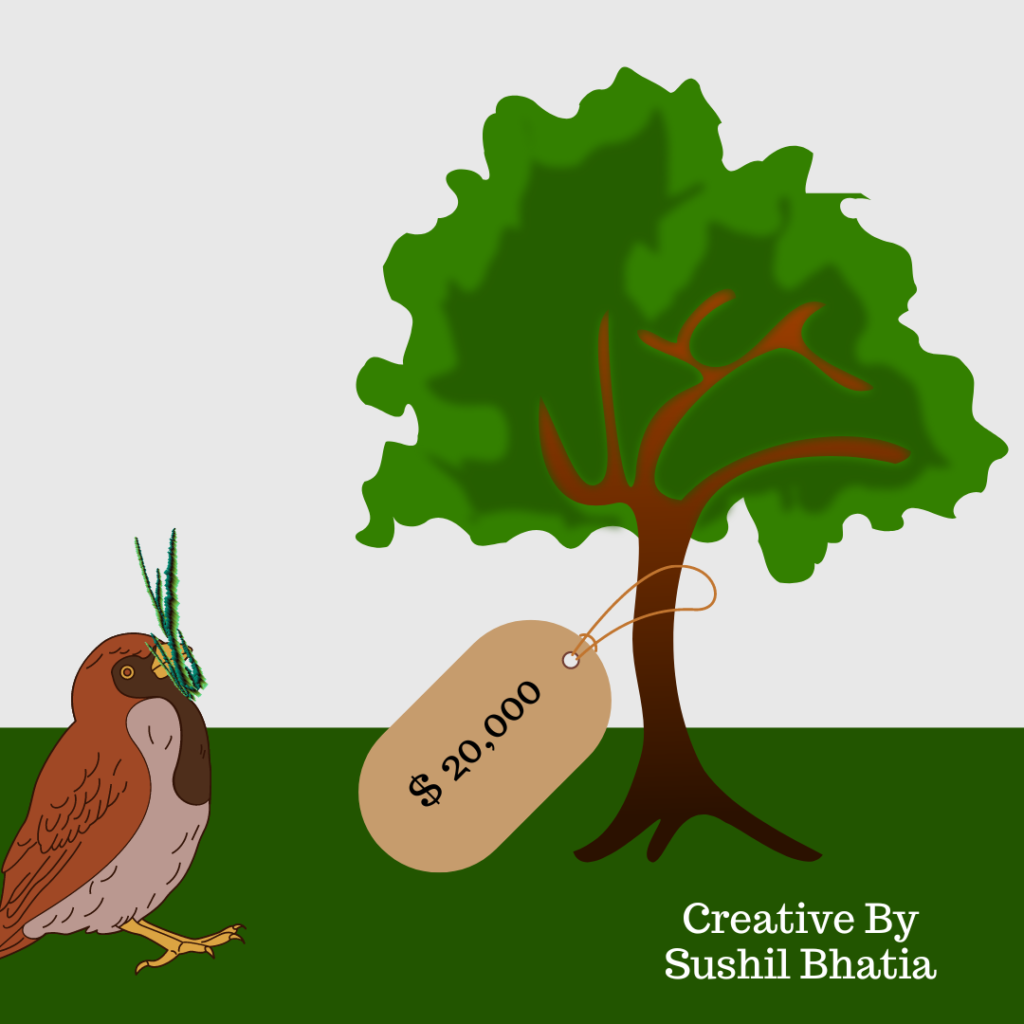
Also, it is most likely that the inappropriate land with low soil quality would be chosen for afforestation. And trees are unlikely to take roots in such areas.
Another problem that ails the system is inherent lag between the afforestation and diversion of forest land.
Moreover, there is problem in the political and administrative will. The money which is deposited with the Govt for afforestation is generally utilised as grants in place of funds allotment. Also, there is no system of interface with the public.
It is a proven fact that the starting point for any question of diversion of exemption in the forests should be avoidance. Such considerations are absent in present system.
(with thanks to ToI)

GARDENING IN MAY
May has arrived and the days are getting warmer and longer. Summer is here , plant out summer flowers and get planning for autumn.
There are plenty of flowers and vegetables to sow and grown in May. If you had sowed seeds of summer flowers they will be ready to flower. Keep on checking for spidery mildew and bugs on zinnias Kochia, gomphrena, sunflowers, Rudbeckia etc .
Look after your finished spring bulbs for next year. Once they’ve gone over, resist the temptation to cut back the foliage. Instead, let it die and break down on its own and add liquid fertiliser all around the clumps. This will give you an even better display next spring.
If you have raised hedge plants in March, clip them to develop side shoots.
Water them deeply.
Complete the making /developing new lawns during this month so that it develops nicely in monsoons.
A surface mulching of coarse leaf mould to trees and shrubs will reduce the quantity of water required and maintain a more equable supply of moisture at the roots.
Young trees should be copiously watered along with light sprinkling every day.
Besides watering the surface should be regularly turned.
Optimise your watering regime — watering early and late to get the most out of your water — and start collecting and recycling water whenever possible.
Harden off half-hardy plants before you plant in containers or beds. You can still plant
Make Summers hanging baskets with purslane,portulaca, adding good-quality compost, slow-release fertiliser , to keep them in top condition.
You can try making a few DIY bottles ,pipes with purslane and portulaca.
Hang pheromone traps in from May to August to monitor plum-fruit-moth activity.
Hang pheromone traps in apple trees to reduce codling moth.
Pheromone traps are good for all cucurbit crops like cucumber, lauki, melon, karela etc.
Keep young fruit trees well watered while they are putting on rapid growth.
Remove blossom and fruits from newly planted fruit trees to help them establish properly during their first year.
Erect garden netting around soft fruit plants to prevent birds eating your crop.
Pepper, Brinjal Okra, tomatoes, Chilli can still be planted along with gourds and peanuts.
Looking after your lawn in May
- Feed your lawn with a high-nitrogen fertiliser to encourage healthy green growth.
- Water the grass during hot weather — that’s particularly important for newly seeded or turfed lawns. Never allow new lawns to dry out.

Seeds of monsoon flowering Annuals can be sown. Like Balsam, cleome, cocks comb, mirabilis jalapa .
You can try a double variety of balsam.
Plant caladium bulbs or plants to add colour in your garden .
Clear your beds of annuals, Fertilise then only plant .
Stay safe, take care and keep on gardening.
Rama Tyagi
tyagirama1@gmail.com.
Pests of May
Hello Gardeners.
Hope you all are good and taking good care of yourself during this period, as the temperatures all over the globe are in red.
You all must have sown seeds of summer vegetables by now.
As you are aware all summer crops come under zaid .
Zaid crops are summer season crops. They grow for a small time period mainly from March to June. These crops are mainly grown in the summer season during a period called the “Zaid crop season.” They require warm dry weather as a major growth period and longer day length for flowering. This period is supposed to be best as we have to worry less No worries of frost or rains.
But still we have to fight with plenty of pests.
Like you know along with spring when new leaves come ,old leaves fall which houses many insects and they start looking for new dwellings. In order to find new dwellings and food they venture to our new crops hence we see different types of pests on our different vegetables, fruits and flowers.As we had discussed in last month still if anything left can be freshened up again.
Controlling of pests and diseases is very important in-home gardening. In March and April pests become very active. If not taken care they trouble you in May too.
There is variation in temperature in morning, afternoon and night. Though May becomes stable but still you don’t know due to drastic climate change.
Pests to watch out for
Butterfly:
Butterfly plays havoc on Cycas revoluta.
Cycas revoluta plants are very expensive. There is a great demand for its healthy leaves in floral arrangements. However, a butterfly destroys the leaves so badly that the entire plant becomes an eyesore. Twice a year a bunch of new leaves emerge from the center of the foliage. The butterfly which lays eggs on the new emerging leaves is Chilades pandava, commonly known as Cycad blue. These butterflies never lay eggs on mature leaves, so preventive measures are to be taken only when new leaves are about to emerge. At this time thoroughly wet the central cone-like bunch of the leaves and dust Wettable sulphur on them. After wettable sulphur is dusted, see that no water spray falls on the leaves; this would wash away sulphur. Odor of sulphur will deter butterflies from laying eggs. This treatment should be followed once every week till all new leaves have fully emerged.
White flies :Plants show curly leaves and later turn black .
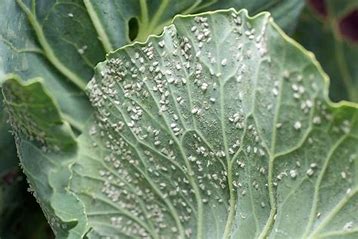
Jaggid: This also sucks and spreads viruses. They are hopper insects.
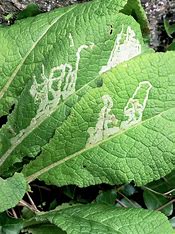
Leafminer:It is visible as lines on the leaves. Remove infected leaves immediately .Use of garlic spray is beneficial.
Caterpillar: They are very active during this period.These are active on curry leaves,tomatoes etc.
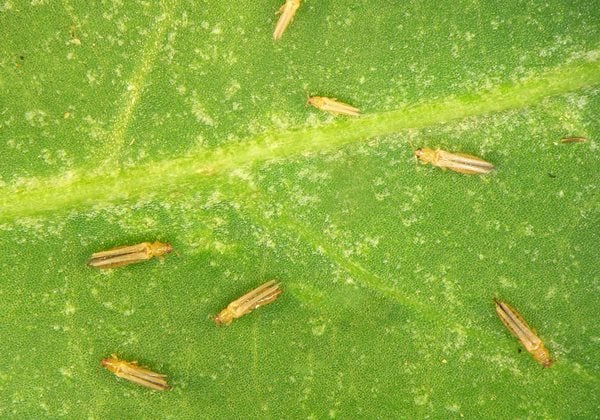
Thrips: They are fringed, winged minute pests.
Mealy bugs: They are seen as white colonies on hibiscus plumeria etc.
Ants: Don’t think they are harmless. They indirectly harm the plants. They are seen on vines of tori etc.
They make lines on leaves by their continuous movement which make leaves and stems tender and hence susceptible to viruses.
Treatment. Make small balls with following ingredients and place near the base of the plants.
5 gm boric powder and baking soda with water .
Termites/White Ants:
Take raw cow dung / empty corn cob /dry stick .Ants will get attracted to them. Then pour hot heeng water on them.
Other problems are like:
Damping off: It is due to seed borne or due to transplanting errors. Treat seeds with fungicide/trichoderma/cow urine 5 drops in 1lt of water. Soak soft seeds for 30 min and hard seeds for 6hrs.
Downy Mildew: Avoid misting in the morning to prevent it.
Treatment:Take 100 ml buttermilk in a copper vessel.Keep for 5 days .Strain and spray in the evening.
Early blight.

Treatment: Sulphur 2gms /lt can be sprayed or you can use unusable almonds with skin. Soak in water and crush. Strain and spray. Almonds and guava leaves have sulphur .
Powdery Mildew. Treatment: Take 40% milk in 60% water and spray. Repeat after 14 days.
Aphids : They are green and dark brown.They damage the plant in two ways.They suck the plant and injure it by making holes.When they inject the plant they spread viruses also through their saliva.
Treatment
1.They can be removed by high pressure water.
2.Take used vegetable like that left oil of pakoras.Oil 5 drops,neem oil and ginger, garlic chilli paste and 5 drops of Soap, mix in 4lt of water and spray on the plants.
Precautions
1)Always wash your plants in the evening to avoid fungal disease.Neem oil spraying is beneficial.
2)Another solution is to take handful leaves of 5 plants like:
- Kaner
- Bel
- Bhang
- Neem
- Aak
- Datura.
Soak them in water for 5 days.Strain ,dilute and spray.
3) Make ginger, garlic and chilli paste and add apple cider.5gms of each .You can add turmeric, cinnamon in 5lt of water. Strain and store in a bottle. Keep in shade. Use as per requirements. Effective on mealy bugs ,sucking pests.
4)Chop 2 cups of fresh bottom leaves of tomato plants. Dissolve in 1 lt of water and leave overnight. Spray on plant foliage. Being pungent pests don’t like the taste.
Rust. :Mulch your plants by using dry leaves on soil or use pieces of cardboard around your plants .
Besides these I would emphasize again to follow
- Buy seeds from verified place
- Treat seeds before sowing by soaking them in fungicide solution like trichoderma.
- Plant your seedlings in the evening and treat again with fungicide or with a
- Mix of haldi & cinnamon powder.
- Rotate your crops
CROP ROTATION.
This is the growing of different crops, one after another, on the same piece of land.
As we all are home gardeners with limited spaces and resources we have to make best use of the limited spaces available to us.
Crop Rotation is very much important in agriculture. It plays a very big role in ensuring an Improved and Sustainable Agriculture production as discussed below;
1. Maintains soil fertility by enabling the fixation of nitrogen.
2. Helps in recovering leached nutrients.
3. Controls weeds, pests and diseases by breaking their life cycles.
4. If legumes are included in the rotation, they add nitrogen to the soil.
5. Controls soil erosion by ensuring a good vegetation cover all the time.
6. Maintains the soil structure since the levels of organic matter are maintained.
7. Reduces farming costs since it minimizes the use of fertilizers and manures.
etc.
When practicing crop rotation, the following should be put in consideration to ensure a good crop rotation;
(a). Deep and shallow rooters should alternate to enable the proper use of nutrients at different soil levels.
(b). Crops with the same nutrient requirements should not follow one another.
(c). Crops with the same pests and diseases should not follow one another.
(d). Legumes should be included in the rotation to provide nitrogen.
(e). There should be a resting period (fallow) at the end of the rotation.
etc.


PRACTICE A GOOD CROP ROTATION. YOU WILL NEVER REGRET.
Let’s together take agriculture to another level of development. Together we can.
Happy Gardening
Rama Tyagi
tyagirama1@gmail.com.
Literary Corner
(as contributed by Umesh)
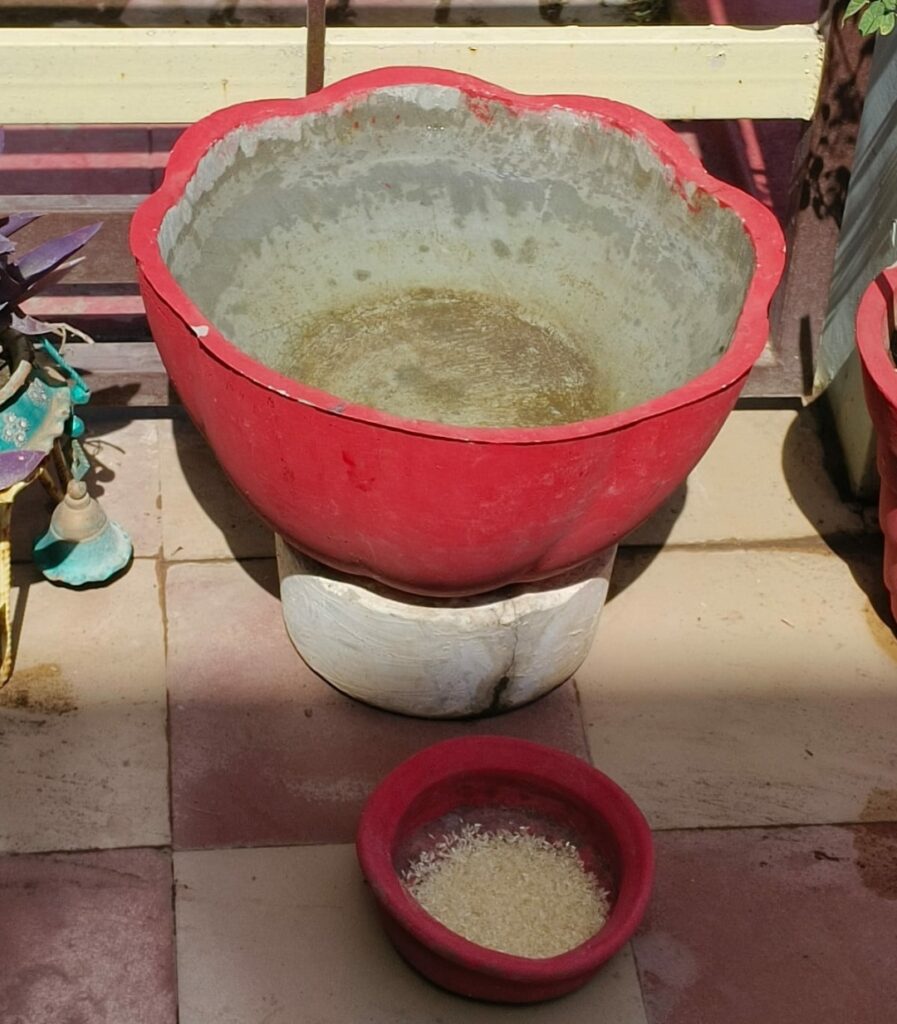
आओ चिड़िया रानी पियो पानी चुगो दाना
गाओ मेरे आंगन में चु चु ची ची गाना
तुमको देख हर्षाते है मेरे प्यारे मुन्नी मुन्ना
मैं सिखाती हूॅं उनको पक्षीयों के लिये पेड़ लगाना
पर्यावरण प्रेमी बन जीवन का आनंद उठाना
रोज सुबह सुबह सैर करने जाना
प्रकृति की सुंदर छंटा का देखने को मिलेगा अद्भुत नजराना
स्वस्थ तन ही प्रशन्नता का है खजाना
अनुशासित रहोगे सदा तो कठिन नहीं सफलता पाना
राजमाला आर्या
खंडवा मध्यप्रदेश से
Embracing the Green Guardians:
Why Planting Trees is Crucial for a Sustainable Future
In the ongoing discourse on environmental preservation, the enduring significance of trees emerges as a beacon of hope and resilience. Beyond their aesthetic appeal, trees serve as vital stewards of our planet, offering a plethora of benefits that resonate with both nature and humanity. As society grapples with the challenges posed by climate change and endeavors to forge a harmonious relationship with the natural world, the imperative to plant more trees emerges as a cornerstone of our collective journey towards sustainability.
Foremost, trees play a pivotal role in mitigating climate change by absorbing carbon dioxide through photosynthesis, thereby curbing the greenhouse effect and mitigating global warming. This crucial function not only helps alleviate the adverse impacts of climate change but also fosters an environment conducive to life.
Furthermore, trees contribute significantly to air quality improvement by acting as natural filters, trapping pollutants and harmful gases and thereby enhancing the quality of our atmosphere and safeguarding respiratory health, particularly in urban areas where pollution levels are high.
In addition to their environmental benefits, trees are indispensable in maintaining soil integrity, preventing erosion, and mitigating natural disasters such as landslides through their extensive root systems.
Moreover, trees provide habitats for diverse wildlife, supporting biodiversity and fostering vibrant ecosystems. Their presence enriches the natural landscape, lending tranquility and aesthetic beauty to our surroundings.
Economically, trees confer tangible benefits by increasing property values and reducing energy consumption. Homes surrounded by trees command higher market prices, while the shade provided by trees reduces the need for air conditioning, resulting in significant energy savings.
In essence, planting trees transcends mere environmental stewardship; it embodies a profound commitment to nurturing a symbiotic relationship between humanity and nature. As stewards of the planet, it is our responsibility to heed the call of environmental conservation and actively participate in efforts to plant, nurture, and preserve our arboreal allies.
In the grand tapestry of life, trees stand as silent sentinels, urging us to embrace our interconnectedness with nature and cultivate a legacy of sustainability for future generations. Let us, therefore, pledge our allegiance to these green guardians, for in their flourishing embrace lies the promise of a greener, more resilient future.
Furthermore, beyond the noble act of tree planting, the choice of tree species holds significant implications for our sustenance and well-being. While the utilitarian value of trees for paper, construction, and other purposes is undeniable, the cultivation of fruit-bearing trees presents an opportunity to address food security concerns. By prioritising the planting of fruit trees, we not only ensure a sustainable source of nourishment but also foster a deeper connection with nature’s bounty.
Additionally, it is imperative to recognize that trees are but one facet of a complex ecological tapestry. Grasses and other non-woody vegetation play equally vital roles in ecosystem functioning, while unpaved surfaces serve as crucial heat-absorbing elements in urban environments. Embracing a holistic approach to vegetation management is essential for optimising ecological resilience and mitigating the impacts of climate change.
Moreover, the significance of trees extends beyond their tangible benefits; they symbolise our intrinsic dependence on nature for sustenance and survival. As the primary producers of oxygen, trees are indispensable to the very fabric of life on Earth. In a world devoid of vegetation, the prospect of breathable air and fertile soil becomes a distant dream.
In conclusion, the act of planting trees embodies a profound commitment to environmental stewardship and sustainable living. By recognizing the invaluable contributions of trees to our well-being and embracing a holistic approach to vegetation management, we can forge a path towards a greener, more resilient future. Let us heed the call of the green guardians and embark on a collective endeavor to nurture and preserve the natural world for generations to come.

Happy Gardening
Rama Tyagi
tyagirama1@Gmail.com
CITY NATURE CHALLENGE 2024
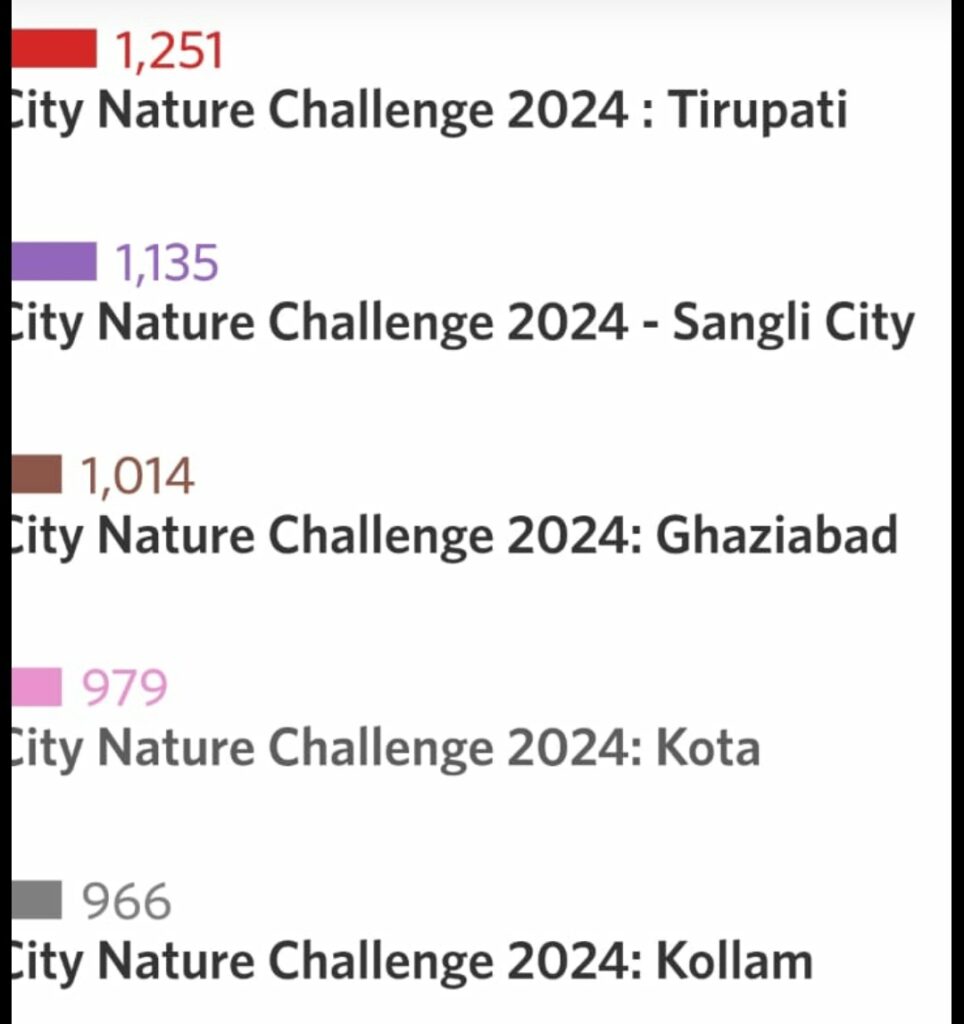
A unique contest was held by iNATURALIST where cities of India could participate and share their contribution towards the mother earth.
The good news is that GHAZIABAD has come FOURTH in India in this endeavor. And not to mention that our members have contributed immensely to gain this position.
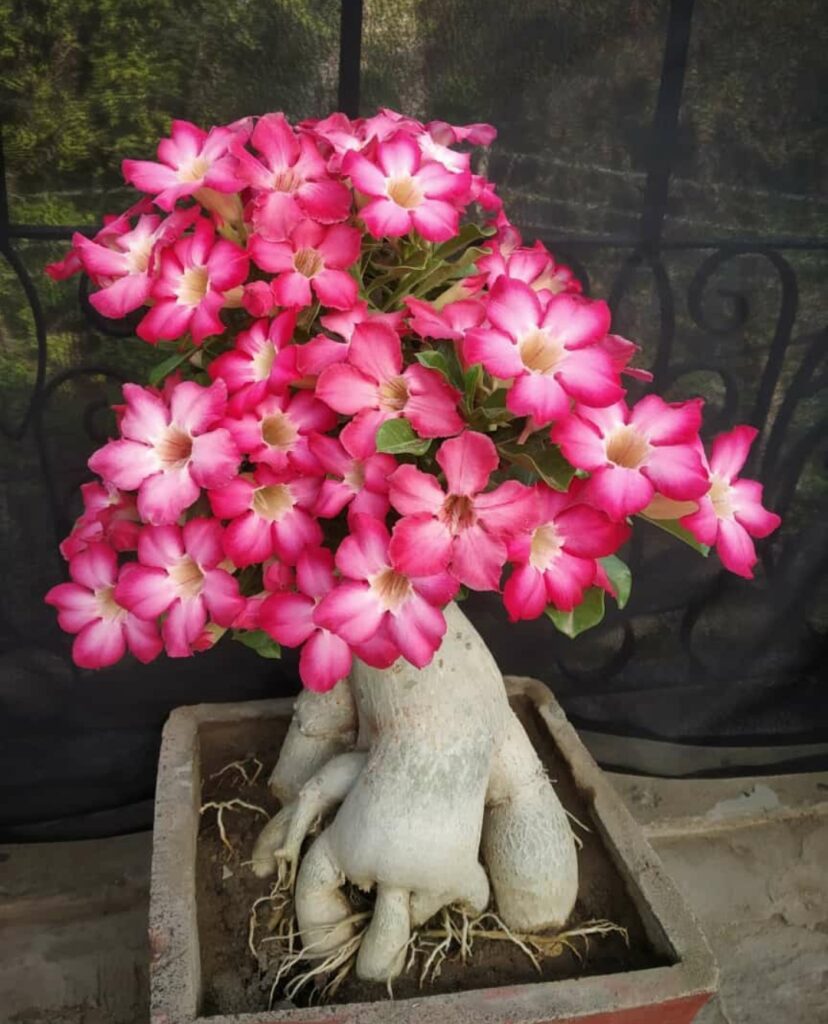
Thru the lens of the members..



CATCHING THEM YOUNG FOR THE CAUSE..
If we have to preserve the earth for future, it is high time that we involve the Gen Z for their own future. And Rama Ji has been the front runner for the cause. The pictures speak for themselves.



Superb, excellent work.