

AN ODE TO OUR GREEN EARTH
This is an ode
to our green earth
to which we all belong,
for so, so long.
there was a time
not so long ago
the air was crisp
and the birds sang their chime.
the river was so pure
as thoughts of my mother
we looked after the earth
as good as our mother.
And then the time
took a wrong turn
to whatever tree we came
we started it to burn
we had to build the bridges
and serpentine roads
that would connect us together
but disconnect it
from mother earth.
the rivers went dry
and the birds gave a cry
but to save our earth
we do not even try!
(I penned it down as it came to my mind. And I am sure we would give it a fair try to save our planet earth)
Gp Capt Sushil Bhatia, veteran
It is a repeat.

Gardening in October
October – A Season of Fresh Beginnings
Spring is not the only planting time—October is just as rewarding. Cool days, gentle sunshine, and light showers create the perfect conditions for new growth. This month gives plants enough time to establish strong roots before winter, so that by spring, your garden bursts with life.
What to Do in October
- Pruning
● Roses should be pruned this month to encourage healthy, bushy growth and abundant flowering later in the season. - Sowing of Annuals
● October is the right time to sow winter annuals like sweet peas, larkspur, phlox, calendula, dianthus, pansies, alyssum, and petunias.
● These cool-weather favorites will brighten up the garden right through winter and early spring. - Planting of Bulbs
● Plant spring-flowering bulbs such as tulip, narcissus, freesia, hyacinth, crocus, amaryllis, tuberose, and rain lilies.
● With proper care and a blanket of mulch, they will reward you with spectacular blooms when the warm season returns. - Pinching of Foliage Plants
● Pinch back soft shoots of plants like eranthemum, acalypha, and coleus to promote branching and a compact, bushy shape. - Sowing of Vegetables
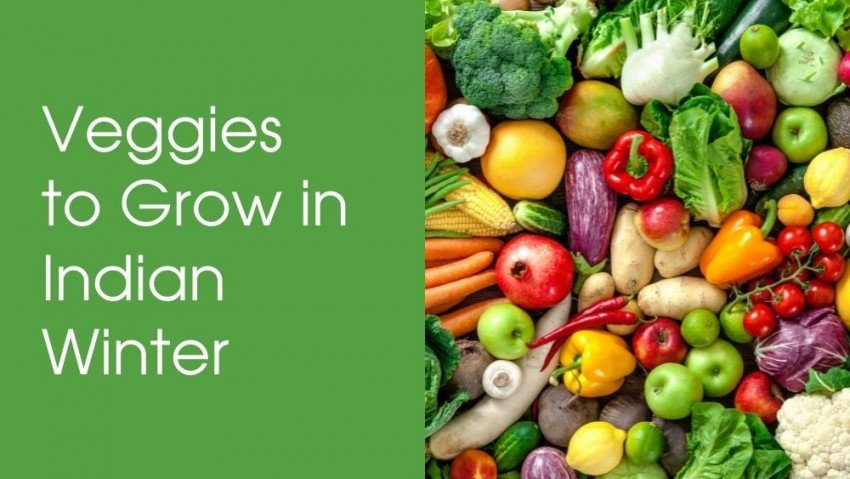
● October is also kitchen-garden month. Sow seeds of radish, spinach, turnip, fenugreek (methi), lettuce, carrot, beetroot, cabbage, cauliflower, and peas.
● These thrive in the cool season and ensure a healthy harvest for your table.
- Care Tips for October Planting
● Water wisely – Always water thoroughly after planting; continue during dry or windy spells.
● Mulch generously – A thick mulch layer acts as insulation, keeps soil warm, and supports root development.
● Be patient – Don’t expect much top growth. October is about roots working silently underground.
What to Avoid in October
● Don’t plant evergreens like boxwood, holly, or rhododendron too late—they need longer to settle before facing cold winds.
● Avoid tender shrubs (butterfly bush, big-leaf hydrangea, caryopteris) that usually get winter damage.
● Skip borderline-hardy plants—spring is safer for them.
Bonus Tip: October is also excellent for transplanting perennials, shrubs, and even small trees.
With pruning shears in one hand and a handful of seeds in the other, October is truly the month to shape your garden’s future—flowers for beauty, vegetables for the kitchen, and bulbs for spring surprises.
Happy October Gardening!
— Rama Tyagi
tyagirama1@gmail.com

15 WINTER FLOWERS FOR INDIAN GARDENS: ANNUALS
Ornamental Gardening
These seasonal flowering plants have the advantage of a tremendous variety of color, size & form. They occupy the garden space in less time & can be easily replaced. Annuals can be grown in beds, herbaceous borders, as an edging, for window boxes, pots, etc.
In India, winter is the best time to grow many different species of beautiful blooming annuals. The seeds of winter flowering annuals are sown in October-November. Some seedlings almost hibernate during the cold months of December & January & start growing as soon as the spring sets in.
Let’s have a look at some of the best winter flowering annual plants that you can grow in your home garden:
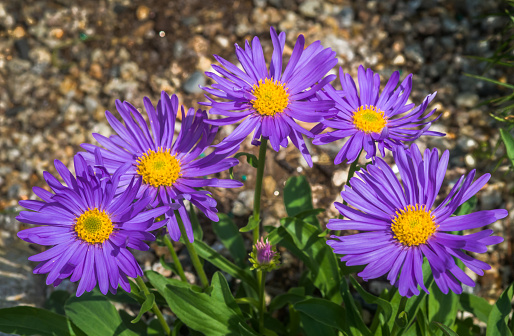
Alpine aster: Flowers are colorful, fragrant, and exude the joy of life. The most popular type of home gardens in India are annuals, i.e., ones that are raised from seeds, grow, bloom, seed & exhaust themselves during a season.
Alyssum:
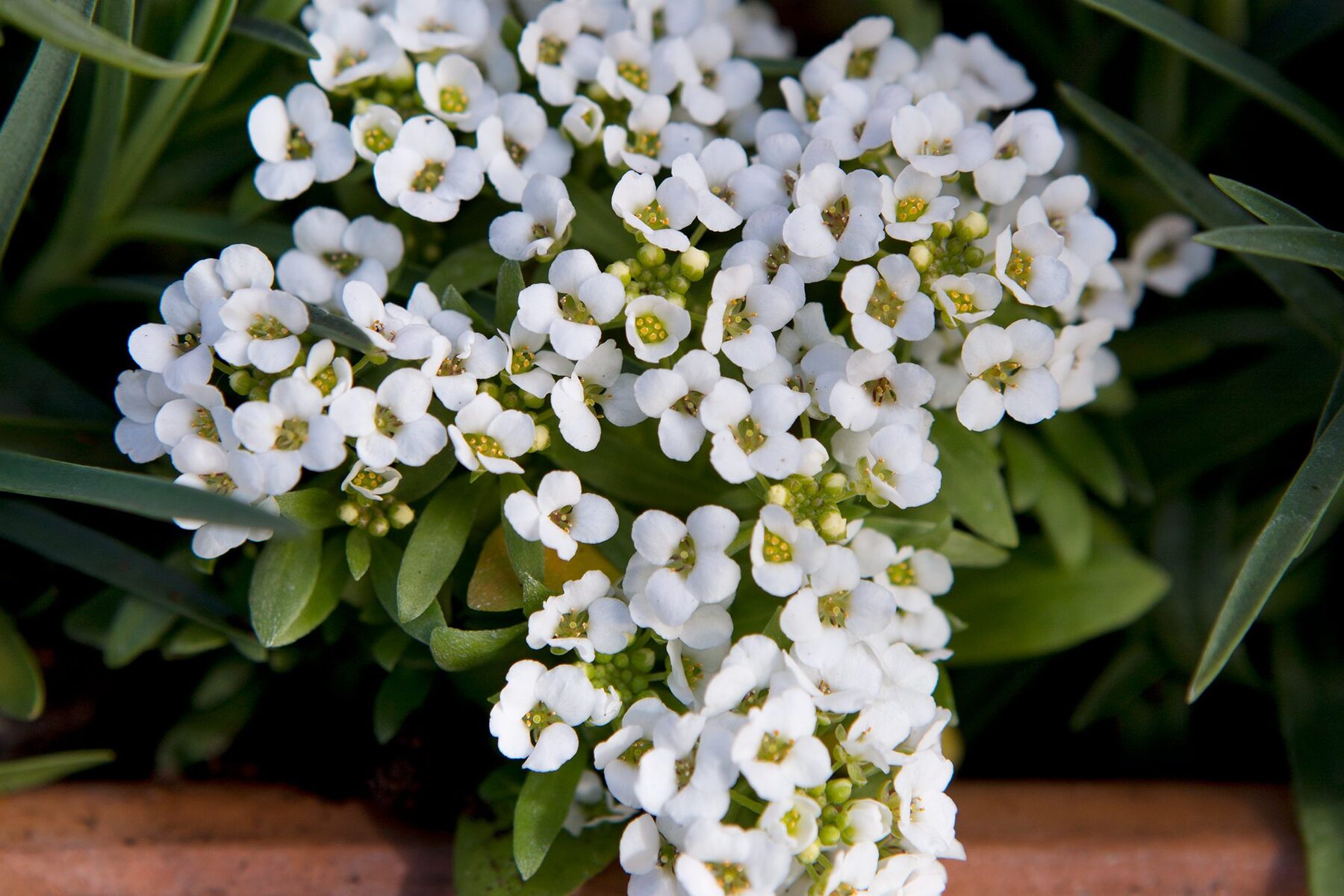
The low growing plants that branch freely with usually white flowers which are honey scented. The compact plant looks like a carpet of flowers.
Antirrhinum (Snapdragon):
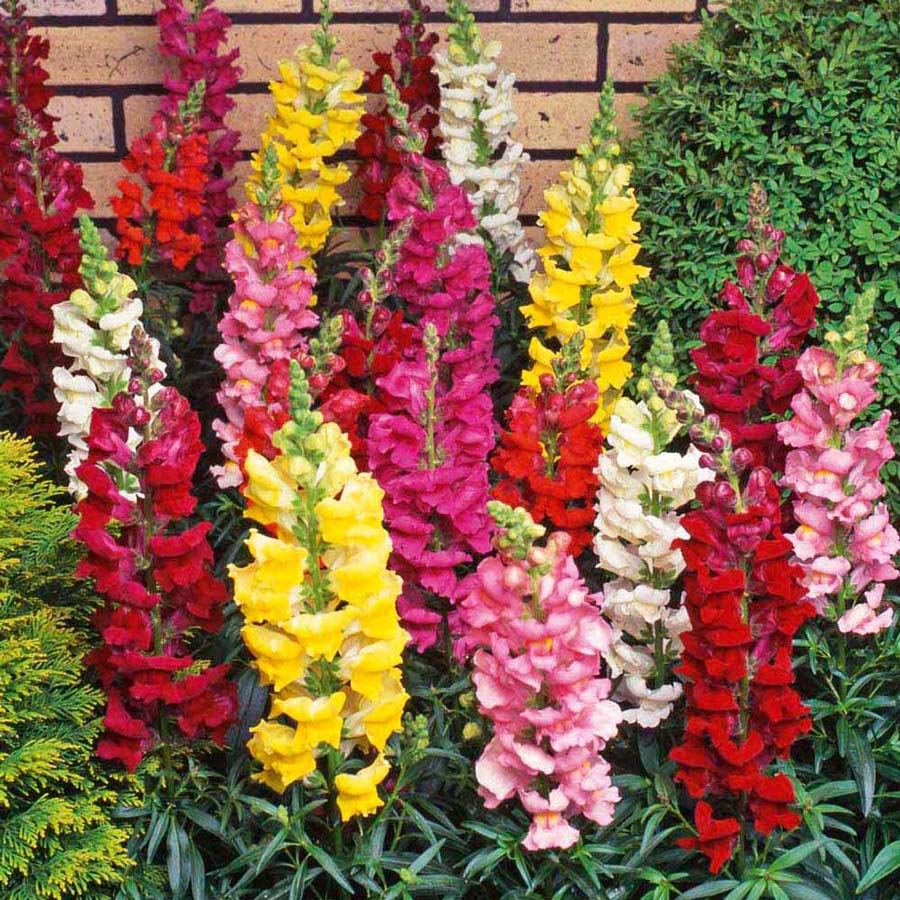
Branching annuals with numerous flowering spikes, mostly of crimson or white color. Many other colorful varieties of Snapdragon are used for bedding and pot culture.
Aster: China Aster is an excellent cut flower. The flower heads come in many different sizes, types & colors.
Calendula (Pot Marigold):
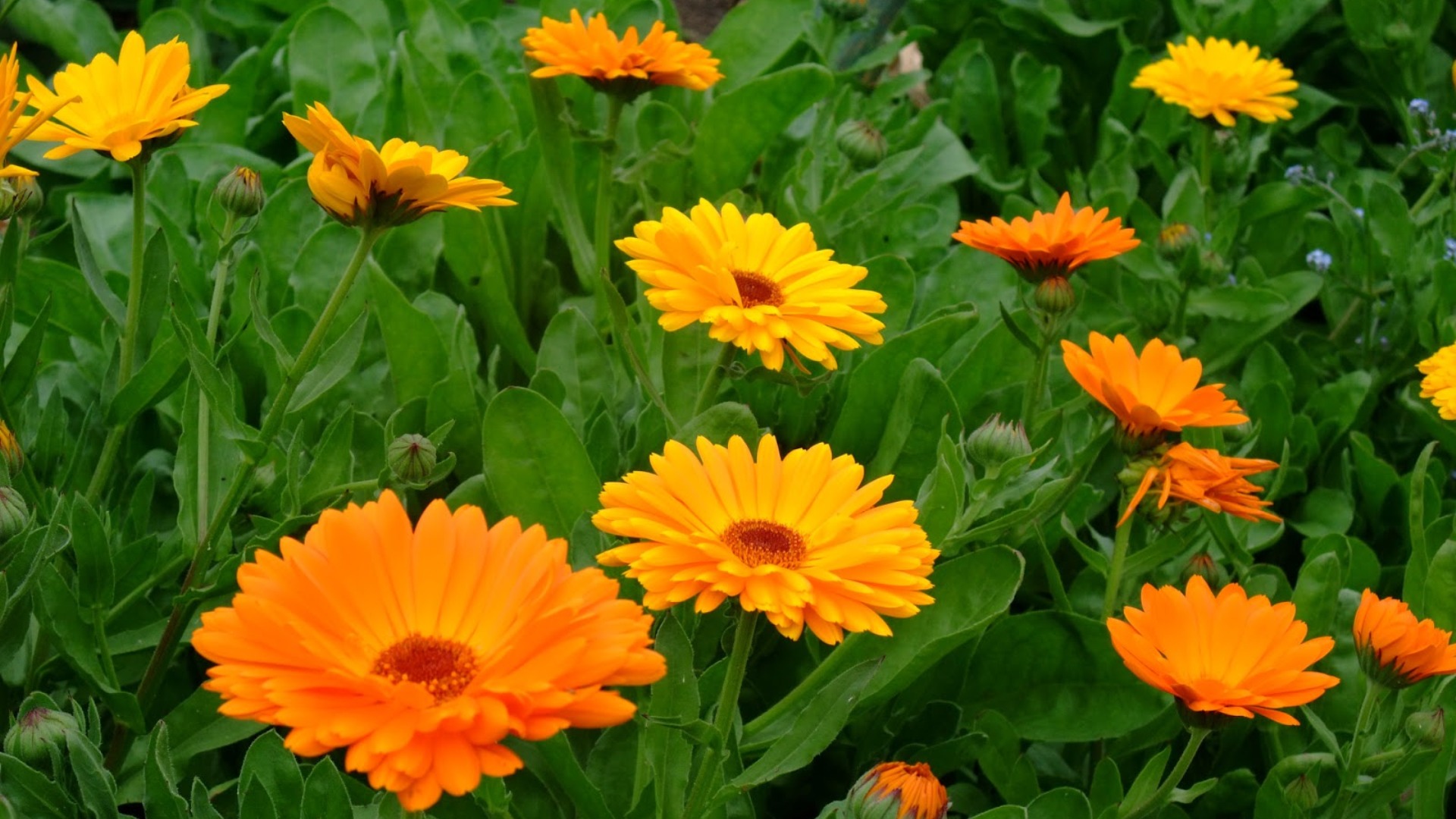
The flowers vary from straw color to deep orange. This single or double flowering plant is useful for bedding, potting & for window boxes.
Clarkia:
A hardy annual with slender branches & attractive long spikes of flowers. It can be grown as a pot plant.
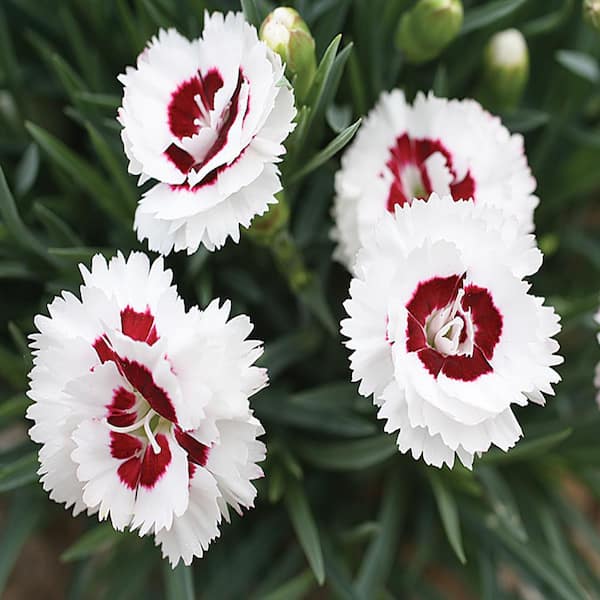
Dianthus (Sweet William): Double or single fragrant, colorful flowers are born at the top of the branches in rounded clusters. The plant is suitable for beds, borders, rock gardens, or window boxes.
Hollyhock: This is a tall majestic annual. The large flowers are born in the axis of leaves all along the length of the stem. Hollyhocks can be used as a background plant, screen, open space shrubbery or annual border.
Larkspur: It is a very popular blue/mauve-purple/pink cut flower. The plant is grown in the background or in front of a tall hedge or border & in pots.
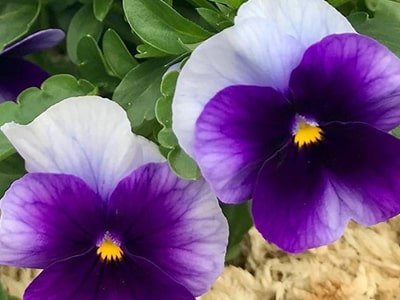
Pansy: The beautiful butterfly-like flowers are available in almost all shades of colors & their combinations & blotched, variegated, marked, stripped in contrasting colors. These low growing plants thrive well under the shade of other tall plants.
Petunia: The petunias are the most popular, loveliest & a valuable race of garden plants. The flowers are trumpet-shaped & may be small or large. Petunias are classified into many different types of flowers. Buy flowering plant seeds online in India.
Phlox:
One of the most well known & favorite annuals grown for its brilliant display & long lasting blooming period. Flowers are delicately scented, with a wide range of colors & many are with contrasting ‘eyes.’
Salvia:
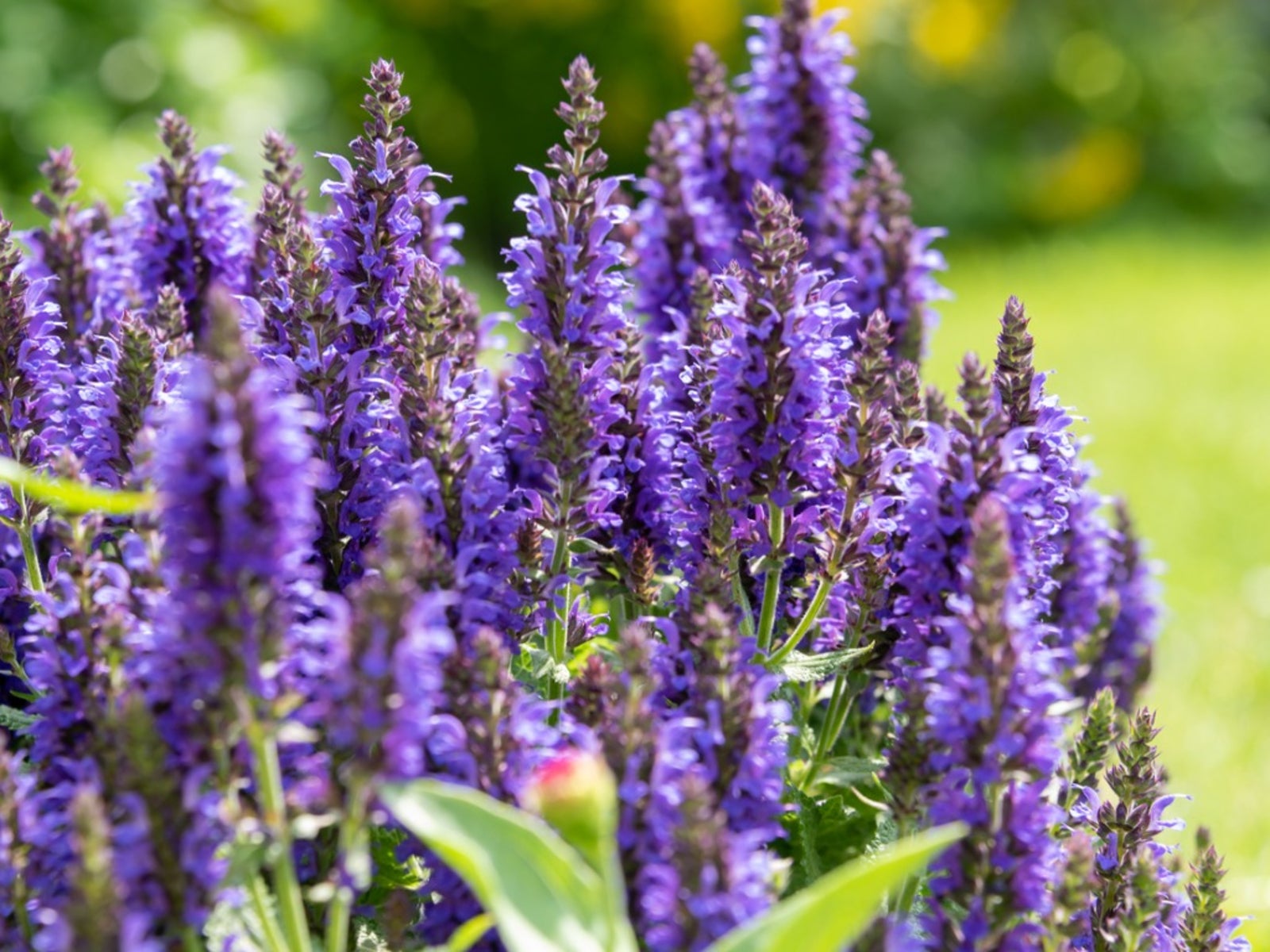
The lost terminal spikes with tubular bright scarlet flowers are borne above the foliage. Salvia is ideal for growing in mass, in beds, borders, background shrubbery, under trees & semi-shaded places.
Sweetpea: This garden climber is valued & widely cultivated for its range of flower colors, elegant form, fragrance, and utility as a cut flower.
Verbena: A free flowering, low-growing, spreading plant. Flowers are born in clusters with light mauve, white & pink as common.
Statice: The flowers of this plant retain their shades for a long time when dried & are used for dry decoration as ‘everlasting’ flower.
Apart from the above, many other seasonal flowering plants can be grown in winter. Eg. Candytuft, Carnations, Centoria, Cornflower, Gypsophila, Nasturtium, Nigella, Poppy, etc.
- Now that you know the winter season flowers, make a note of the following things:
- As the growth of plants during winters is less, start with proper-sized ones.
- Plant according to the size of the container.
- Place your container in a place where it receives ample sunlight.
- Water your plants cautiously during winter.
- Fertilize regularly.
- Sow the seeds of your favorite flowers right before the winter sets in. Flowering plants need soil to be 5 inches deep. So, select an earthen pot of 6-8 inches, and bury the seed about 2 inches deep.
- Saplings will emerge in about 6 weeks.
- Sprinkle water as and when required.
- Fertilize your plants regularly.
Happy Gardening!
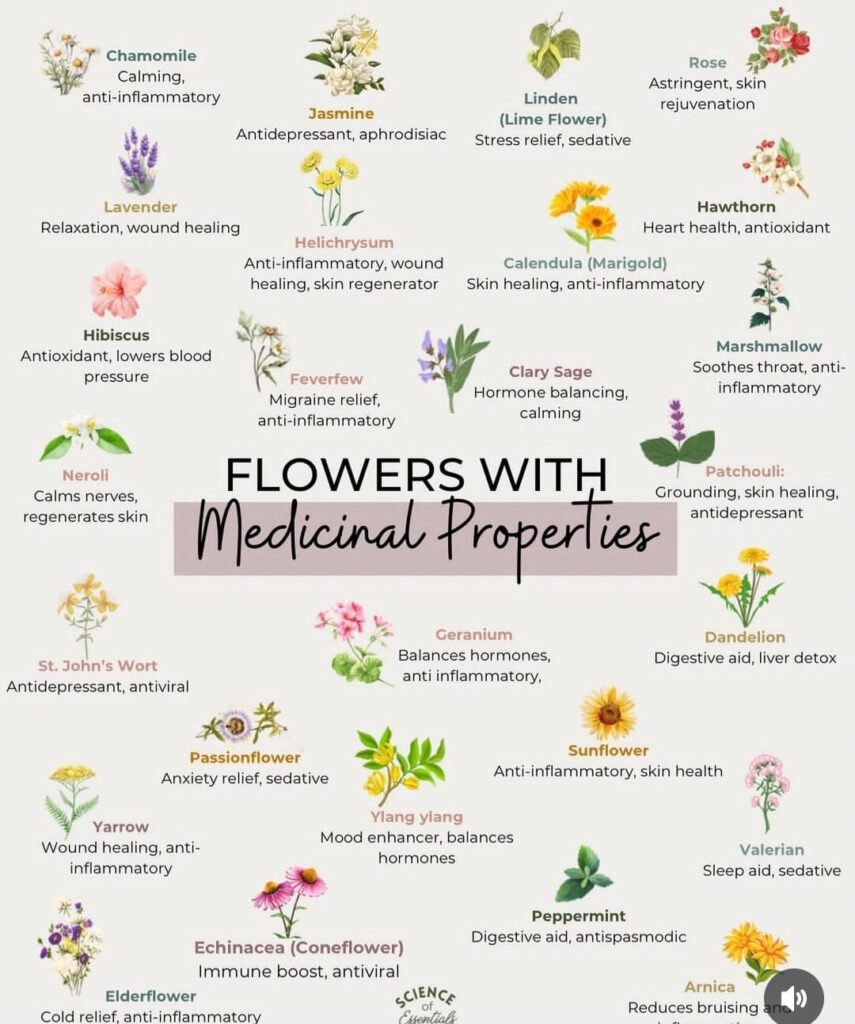
Grow Your Own Herbs Organically

Why Grow Herbs?
● Health & Nutrition: Fresh herbs like basil, parsley, and mint are rich in vitamins, minerals, and antioxidants. They boost immunity and support overall wellness.
● Flavor & Culinary Value: Nothing compares to the taste of freshly picked herbs. They enhance everyday cooking, turning simple meals into gourmet experiences.
● Sustainability: Growing your own herbs reduces reliance on store-bought packets, which means less plastic waste, less food waste, and a smaller environmental footprint.
● Cost Savings: Herbs are often expensive in supermarkets, but home-growing is inexpensive and ensures a fresh, constant supply.
● Wellbeing & Connection: Gardening is therapeutic. Caring for plants reduces stress, improves mood, and builds a connection to nature—even in urban environments.
Best Herbs to Grow at Home
● ? Basil: A summer favorite, perfect for salads, pesto, and pasta.
● ? Parsley: A versatile garnish, rich in vitamin C and iron.
● ? Mint: Hardy and refreshing, great for teas, desserts, and cooling drinks.
● ? Rosemary: Fragrant, drought-tolerant, and excellent for roasts and bread.
● ? Thyme: Compact, easy to grow, great in soups, stews, and marinades.
● ? Chives: Mild onion flavor, ideal for salads, omelets, and dips.
● ? Coriander (Cilantro): A staple in global cuisines, from curries to salsas.
● ? Oregano: Essential for Mediterranean cooking, pizza, and sauces.
● ? Lemongrass: Adds zest to teas, stir-fries, and Asian dishes.
How to Grow Herbs Organically
- Containers or Garden Beds:
Use pots, raised beds, or balcony planters with good drainage. Terracotta pots are excellent because they allow roots to breathe. - Soil:
Choose a high-quality organic potting mix enriched with compost. Herbs thrive in fertile, well-draining soil. - Sunlight:
Most herbs need 5–6 hours of direct sunlight daily. South-facing balconies or windowsills are ideal. - Watering:
Herbs like consistent moisture but not waterlogging. Water when the top 2–3 cm of soil feels dry.
? Group herbs with similar water needs together—basil & parsley like more moisture, while rosemary & thyme prefer drier conditions. - Fertilisation:
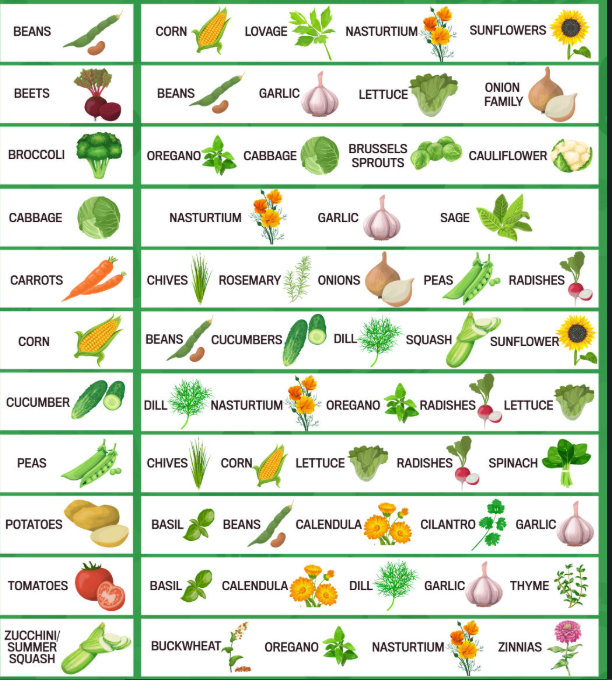
Feed with organic compost, worm castings, or liquid seaweed as gentle fertilisers. Avoid synthetic chemicals that harm soil life. - Pests & Companion Planting:
Herbs naturally deter many pests with their aromas. To keep them healthy, attract beneficial insects by planting flowers like marigolds nearby. - Harvesting:
Regular harvesting encourages growth. Snip leaves in the morning when oils are most concentrated. Always leave enough foliage so the plant can recover.
Happy Gardening
Rama Tyagi
tyagirama1@gmail.com
MISSION SCHOOL NUTRITION GARDEN (SNG)

मिट्टी से सीख, बीज से उम्मीद और पौधों से जीवन का जुड़ाव!
प्रोमीथियस स्कूल में कक्षा IV एवं V के विद्यार्थियों के लिए School Nutrition Garden सत्र आयोजित किया गया। बच्चों ने मिट्टी, बीज, जैविक खाद और पौधों की देखभाल को समझते हुए स्वयं पालक, मेथी और सरसों के बीज बोए तथा टमाटर, चेरी टमाटर, शिमला मिर्च और फूलगोभी के पौधे लगाए। ????
???? सत्र में बच्चों ने सीखा:
- मिट्टी के विभिन्न प्रकार और उपजाऊ मिट्टी का महत्व
- जैविक खाद व कम्पोस्ट से मिट्टी को बेहतर बनाना
- बीजों की विविधता और सही तरीके से बीज बोना
- जैविक खाद एवं रासायनिक उर्वरकों के प्रभाव
- किचन गार्डन और अपना भोजन उगाने का महत्व
- स्थानीय एवं पारंपरिक पौधों के संरक्षण की आवश्यकता
बच्चों ने Gardening Scrapbook गतिविधि के माध्यम से विभिन्न मिट्टियों, बीजों और पत्तियों का अवलोकन एवं संग्रह भी किया। ????????
यह सत्र बच्चों को प्रकृति, भोजन और मिट्टी से जोड़ते हुए “करके सीखने” का सुंदर अनुभव रहा।
Horticulture Floriculture Society (HFS)
Mission School Nutrition Garden
हॉर्टिकल्चर फ्लॉरिकल्चर सोसाइटी
कार्यकारिणी एवं संस्थापक सदस्यों की बैठक की कार्यवाही
दिनांक: 24 सितंबर 2026
स्थान: फार्म हाउस नं. 49, कनावनी
मेज़बान: श्री राकेश गोयल जी
उपस्थित सदस्य
श्री राकेश गोयल जी, श्रीमती रमा त्यागी, श्रीमती रश्मि अग्रवाल – अध्यक्ष, श्री डी. के. शर्मा जी – उपाध्यक्ष, श्रीमती बबीता अग्रवाल, श्रीमती सोनिया अग्रवाल, श्रीमती शैलजा मिश्रा, श्री के. एन. गर्ग, श्रीमती साधना बिश्नोई, डॉ. शेफाली अग्रवाल, श्रीमती प्रभा रानी, श्री राजेश वैश्य एवं श्रीमती अर्चना प्रमोद।
बैठक का उद्देश्य
बैठक का मुख्य उद्देश्य HFS के पुनर्गठन एवं कार्यप्रणाली को और सक्रिय बनाना, नियमित गतिविधियों की योजना बनाना, सोसाइटी की पहुँच अधिक लोगों एवं समुदाय तक बढ़ाना तथा विभिन्न सामाजिक एवं पर्यावरणीय गतिविधियों के माध्यम से अधिक से अधिक लोगों को जोड़ना था।
इसके साथ नवंबर में होने वाले स्कूल न्यूट्रिशन गार्डन (SNG) पुरस्कार वितरण कार्यक्रम तथा नई गतिविधियों, विशेष रूप से माली प्रशिक्षण कार्यक्रम, पर भी चर्चा की गई।
चर्चा एवं निर्णय
- HFS का पुनर्गठन
सदस्यों ने HFS की वर्तमान कार्यप्रणाली पर चर्चा की तथा सोसाइटी को और अधिक सक्रिय एवं व्यवस्थित बनाने की आवश्यकता महसूस की।
यह बताया गया कि श्री कपिल गर्ग, सचिव, का पाँच वर्ष का कार्यकाल पूरा हो चुका है और वे पिछले कुछ समय से सोसाइटी के कार्यों में सक्रिय नहीं हैं। उनकी वार्षिक सदस्यता शुल्क भी लंबित है।
इसलिए HFS की कार्यप्रणाली एवं जिम्मेदारियों को पुनर्गठित करने पर चर्चा हुई।
डॉ. शेफाली अग्रवाल को HFS की संयुक्त सचिव (Joint Secretary) के रूप में अनुमोदित किया गया।
डॉ. शेफाली को HFS की कार्य गतिविधियों का एक वर्किंग कैलेंडर तैयार करने तथा नियमित मासिक बैठकों का समय निर्धारित करने की जिम्मेदारी भी दी गई, ताकि वर्षभर के कार्यक्रमों की पहले से योजना बनाई जा सके और सदस्य अधिक प्रभावी रूप से भाग ले सकें।
- HFS की पहुँच बढ़ाना
सदस्यों ने चर्चा की कि HFS की गतिविधियों को अधिक से अधिक लोगों और समुदाय तक कैसे पहुँचाया जाए।
बागवानी, हॉर्टिकल्चर, फ्लॉरिकल्चर, पर्यावरण, स्कूल न्यूट्रिशन गार्डन तथा सामुदायिक भागीदारी से जुड़ी नई और उपयोगी गतिविधियों के सुझाव आमंत्रित किए गए।
सदस्यों ने महसूस किया कि नियमित एवं सहभागी गतिविधियों के माध्यम से HFS से अधिक लोगों को जोड़ा जा सकता है।
- माली प्रशिक्षण कार्यक्रम
श्रीमती रश्मि अग्रवाल, अध्यक्ष, ने माली प्रशिक्षण कार्यक्रम आयोजित करने का प्रस्ताव रखा।
सदस्यों ने इस प्रस्ताव का स्वागत किया। चर्चा हुई कि प्रशिक्षण व्यावहारिक एवं उपयोगी होना चाहिए, जिसमें मिट्टी की तैयारी, पौधरोपण, प्रूनिंग, कम्पोस्टिंग, ग्राफ्टिंग एवं बडिंग, कीट एवं रोग प्रबंधन तथा पौधों की सामान्य देखभाल जैसे आवश्यक विषय शामिल किए जाएँ।
इस कार्यक्रम को HFS की आगामी गतिविधियों में शामिल करने पर सहमति बनी।
- स्कूल न्यूट्रिशन गार्डन – पुरस्कार वितरण कार्यक्रम
नवंबर में प्रस्तावित SNG पुरस्कार वितरण कार्यक्रम पर चर्चा की गई।
इसमें मुख्य रूप से निम्न विषयों पर विचार हुआ:
- कार्यक्रम का स्थान
- विद्यालयों के लिए पुरस्कार
- मोमेंटो एवं प्रमाण-पत्र
- सहभागी विद्यालयों एवं शिक्षकों का सम्मान
- कार्यक्रम की अन्य व्यवस्थाएँ
यह प्रयास रहेगा कि कार्यक्रम के माध्यम से स्कूलों और शिक्षकों के प्रयासों को प्रोत्साहित एवं सम्मानित किया जाए।
आगे की कार्ययोजना
सदस्यों ने सहमति व्यक्त की कि HFS को नियमित गतिविधियों के कैलेंडर और मासिक बैठकों के माध्यम से और अधिक सक्रिय बनाया जाए।
सभी सदस्यों से नए विचार एवं गतिविधियों के सुझाव देने तथा HFS को अधिक से अधिक लोगों एवं समुदाय से जोड़ने में सहयोग करने का अनुरोध किया गया।
बैठक के अंत में श्री राकेश गोयल जी को फार्म हाउस नं. 49, कनावनी में बैठक की मेजबानी करने के लिए धन्यवाद दिया गया। सभी सदस्यों के सक्रिय सहभागिता एवं उपयोगी सुझावों के लिए भी आभार व्यक्त किया गया।
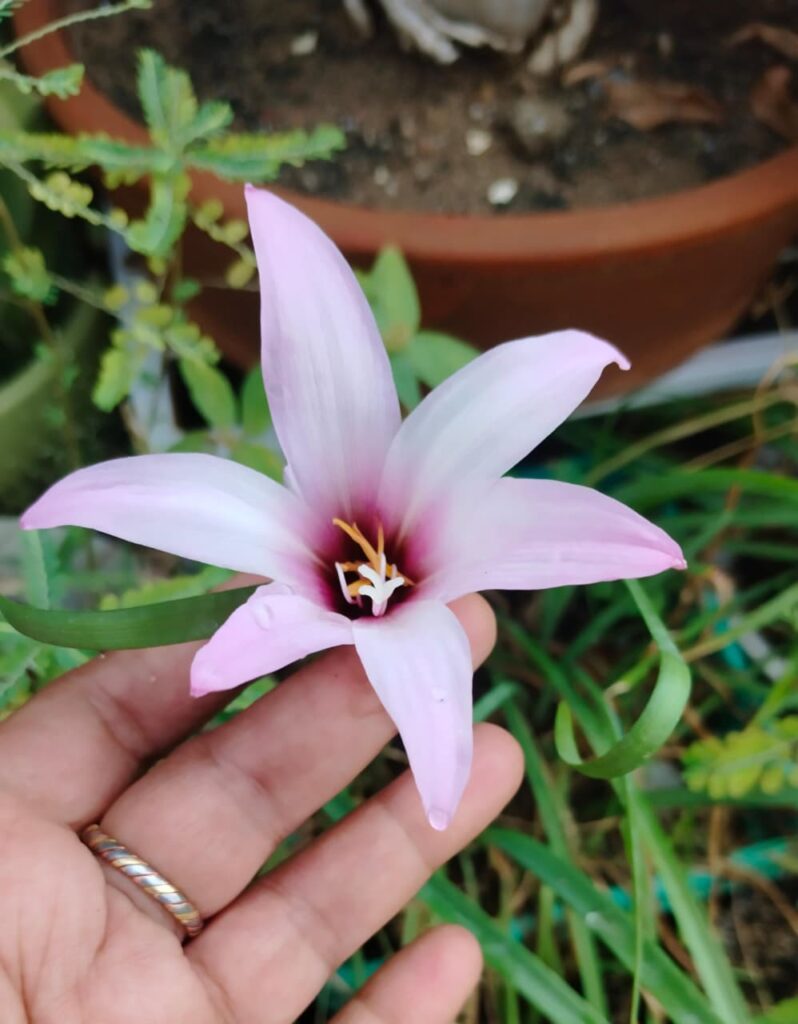
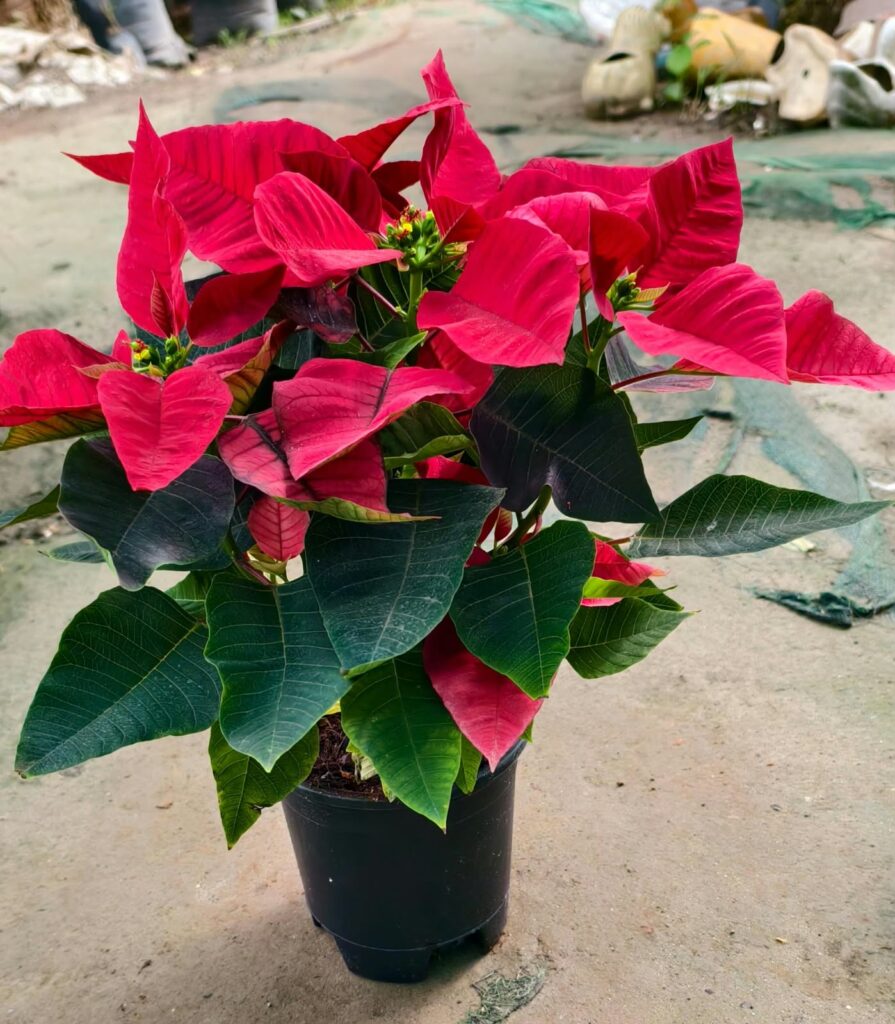
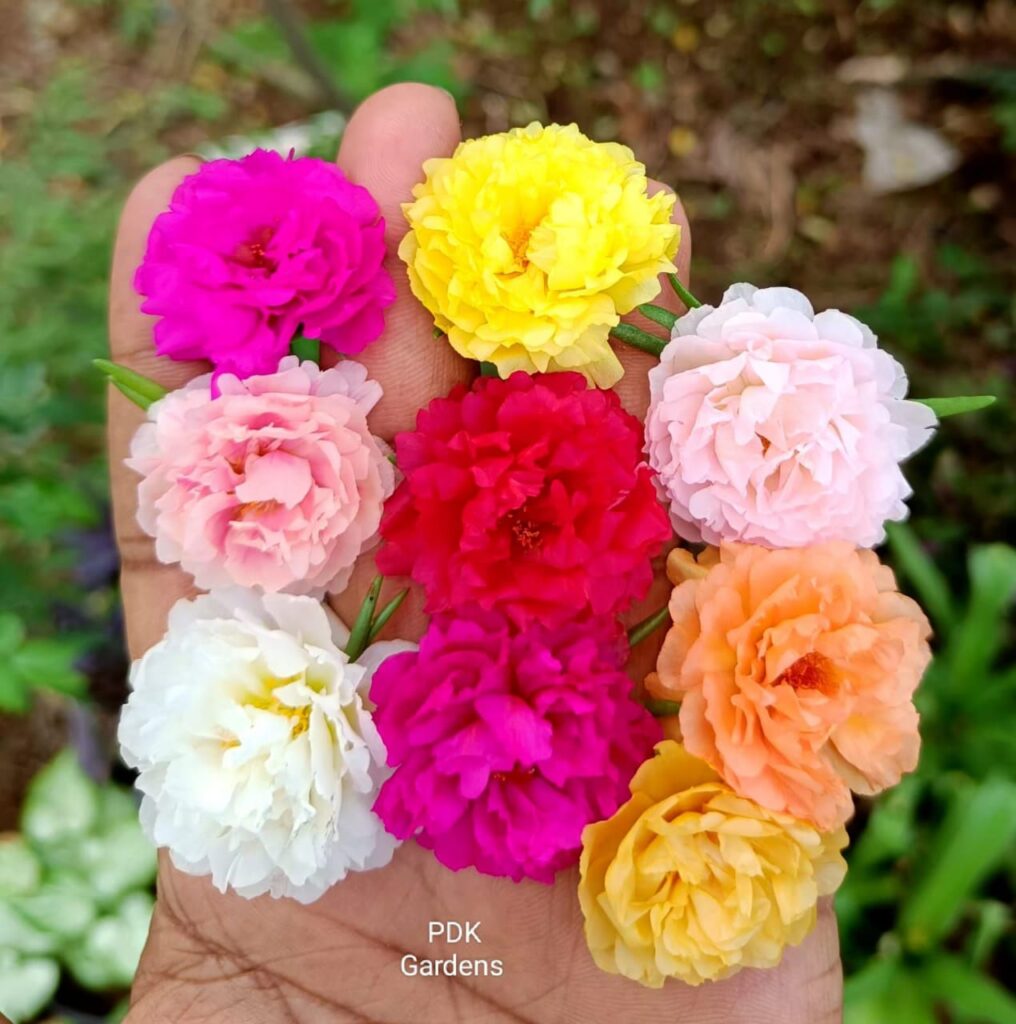
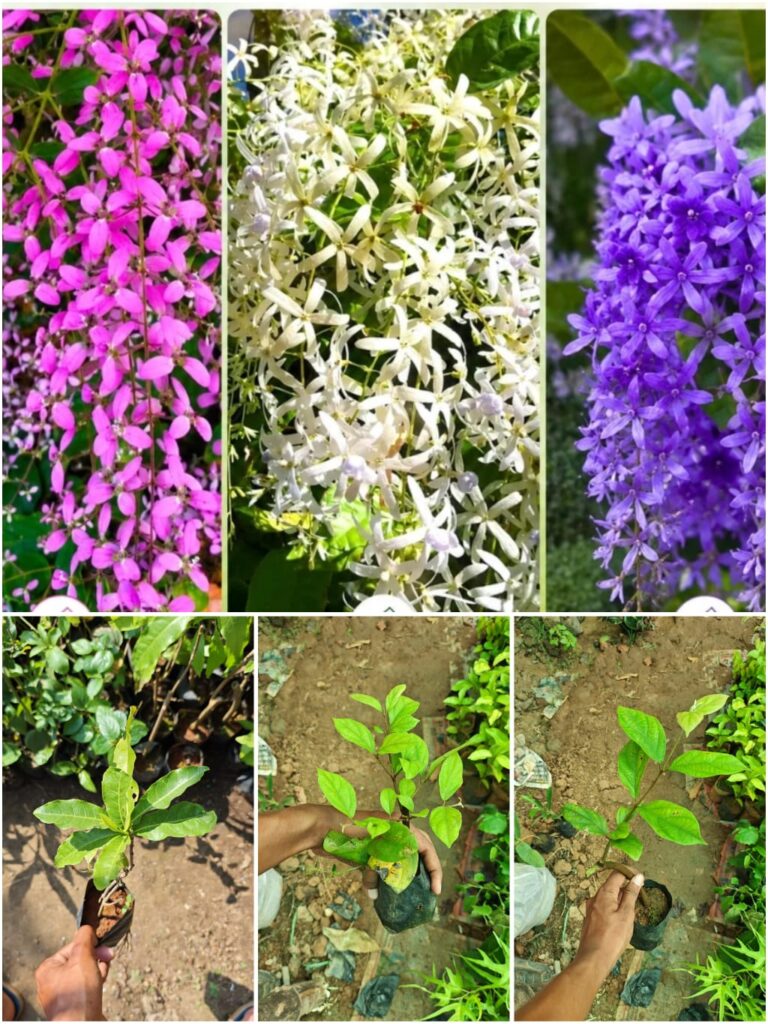
THROUGH THE LENS OF THE MEMBERS..

The War Zone Behind Your “Healthy” Salmon…
We label it “sustainable aquaculture” and “clean protein.”
Look beneath the surface.
To put a neatly packaged fillet of Atlantic salmon on a supermarket shelf, over 150,000 underwater explosives have been detonated against fur seals in Tasmania.
150,000.
That is not a misprint. In the industry, they call them “seal crackers” or “deterrent devices”.
In reality, they are underwater charges designed to cause concussive shockwaves.
Why? Because human beings put massive industrial cages into open oceans – the natural home of marine wildlife – and then punish the native seals for trying to feed where they have lived for centuries.
We talk endlessly about mindfulness, ethics, and sustainability.
We love clean packaging, fancy dietary labels, and wellness blogs.
Yet our entire consumption engine runs on violence we simply refuse to look at.
When a seal is blinded, deafened, or injured because someone wanted smoked salmon for brunch, who pays the real cost?
Nature pays.
The animal pays.
Violence doesn’t begin on the battlefield; it begins on our plates.
Every time we demand luxury products stripped from the wild, an entire war zone is created behind closed doors to protect corporate profit margins.
Next time we make a dietary choice, let’s ask ourselves:
Is our palate worth deafening the oceans?
Real compassion is not an emotion. It is clarity.
It is the conscious decision to stop funding unnecessary cruelty.
(taken from LINKEDIN)