We are turning extreme weather into extreme disasters.
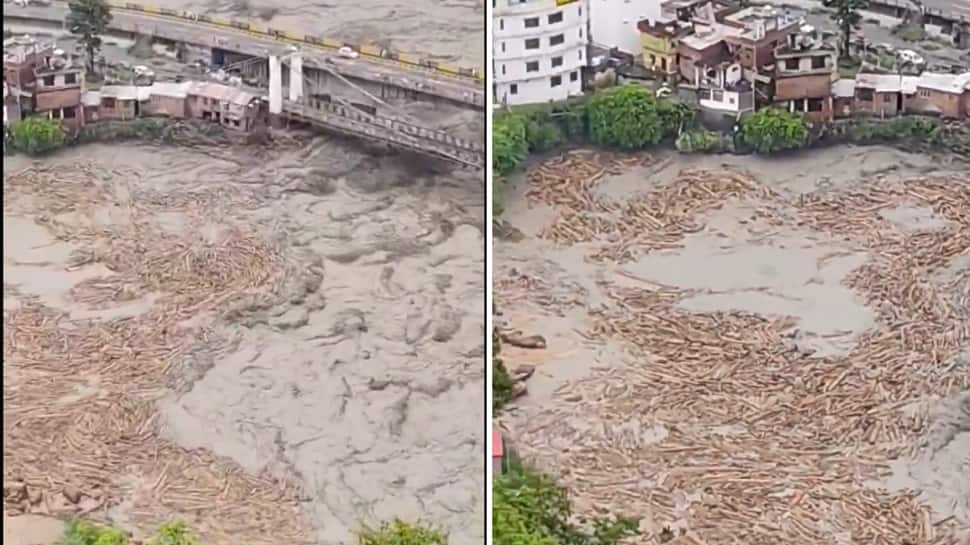
We have been watching more frequent floods and cloudbursts. But they can be called neither ‘because humans cut trees’ nor they can be termed as ‘pure natural disaster’. Whereas the warming climate is increasing the probability of some extreme rains, human alteration of Himalayan slopes, drainage, forests, rivers and settlements is turning these hazards into massive disasters.
The Himalayas Under Stress: Are We Turning Natural Hazards into Disasters?
Over a period of time, we have been witnessing an increase in frequency of natural disasters, along with extreme ferocity. The Nepal floods on 26 Aug 2026 is a live example.
The areas that are prone to such disasters include HP, Uttarakhand, and the wider Himalayan regions. These disasters raise many uncomfortable questions: Are these disasters purely natural or are they man-made?
The studies suggest that the climate change is responsible for many of such accidents, aggravated by the human interference.
The Factor of changing climate
The Himalayas happen to be among the world’s youngest and most geologically fragile mountain systems, with steep slopes, fractured rocks and narrow valleys. They also experience heavy rainfall. And they have been experiencing such disasters as cloud bursts, flash floods etc.
The research over the past decade shows that the climatic conditions are changing.
Studies in Uttarakhand and Western Himalayas have identified the following changes:
- Changes in extreme rainfall
- temperature
- atmospheric circulation
- changes in Western Disturbances
These exchanges can interact to produce heavy rainfall.
A warmer atmosphere can hold more moisture, thus increasing the intensity of the rainfall. Besides, warming is affecting the glaciers, snow cover and glacial lakes, creating hazards like GLOFs (Glacial Lake Outburst Floods). The recent disaster in Nepal region is one such case.
But every such activity may not be caused by climate changes only.
Probably, a more accurate statement is going to be: ‘climate change is altering the conditions, increasing the risk of certain events, but each disaster needs to be studied along with the factors like weather, geology, topology and human activities.
The human factor
This is where the situation becomes particularly serious.
The Himalayan regions are being rapidly modified with highways, tunnels, hydropower projects, hotels, housing, tourism and pilgrimage.
When we make a road, it does not stop at that. Cutting into the mountains changes their geometry and slopes. Deforestation weakens the upper soil. Excavation exposes the rocks. Potor disposition of construction material becomes the part of the debris.
During intense rainfall, the outcome is:
water + mud + boulders + trees + construction debris.
It is tempting to say:
“Trees were cut, therefore the flood happened.”
But it is too simple a statement.
A forest cannot stop a massive cloudburst. But vegetation does help intercept rainfall, improve infiltration, reduce erosion and stabilise shallow soils.
Therefore, removing vegetation can make slopes more vulnerable and increase runoff and sediment movement.
Deforestation and land-use changes may not cause the extreme results, but can contribute in amplifying the consequences.
The same applies to road construction, tunnelling and poorly planned infrastructure.
The most dangerous mistake is building in a river’s path.
Under normal circumstances, a stream may look small. But the same stream can turn into a raging river, carrying with it mud, boulders, trees, etc.
Yet hotels, houses, shops, parking areas and roads are increasingly being constructed close to rivers, streams and old debris-flow channels.
Recent research on Uttarakhand’s Dharali disaster, for example, highlighted the vulnerability created by settlements and commercial activity along stream courses and steep slopes.
Unrestricted Tourism is multiplying the risk
Tourism has brought enormous economic benefits to Himalayan states, but it has also increased exposure.
More tourists mean more:
- hotels and homestays;
- vehicles and parking;
- roads;
- water consumption;
- sewage and waste;
- construction.
A cloudburst in an empty valley is a natural hazard.
The same cloudburst hitting thousands of tourists, hundreds of vehicles and densely constructed settlements becomes a disaster.
This is the fundamental equation:
Risk = Hazard × Exposure × Vulnerability
Climate change can increase the hazard.
Development increases exposure.
Poor planning increases vulnerability.
Together, they produce catastrophe.
Hence, the time has come when a holistic view of the destruction, in the name of development, must be taken by the Govt, if we are serious about the whole issue.

BRINGING OUR SPARROWS BACK TO OUR HOMES..
One Flew Over the Concrete Nest: Bringing House Sparrows Back to Indian Cities 🐦🏙️
We may not notice when a sparrow disappears.
But we notice when the morning becomes quieter.
House sparrows are declining in many Indian cities. The State of India’s Birds assessment shows a −7.16% long-term national trend and −2.76% current annual trend, with sharper falls in some regions. The real issue runs deeper than any single cause.
The bigger loss is urban biodiversity itself.
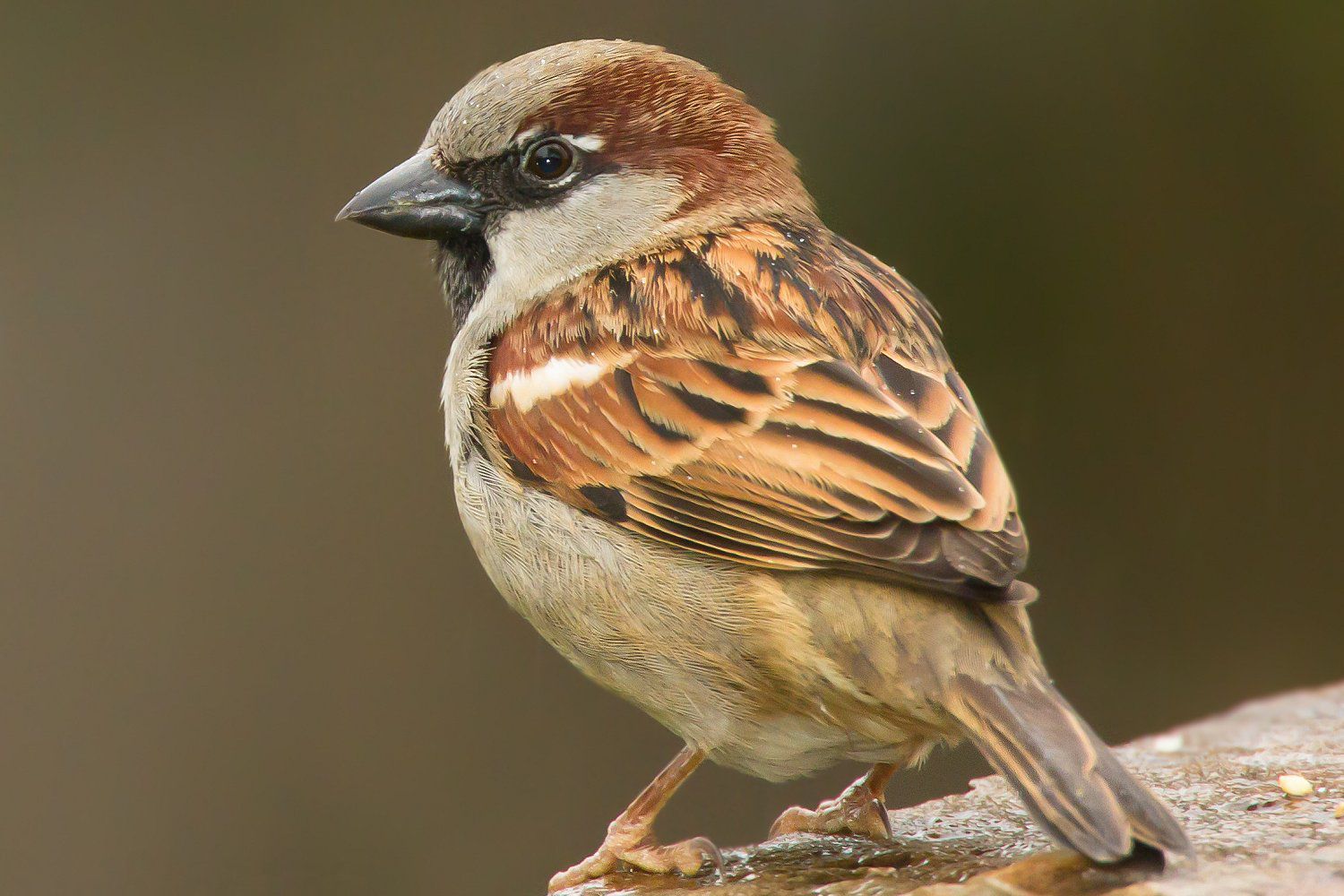
Cities need not be concrete monocultures. When nesting sites, native plants, insects, clean water and green pockets vanish, we lose more than sparrows — we weaken the living systems that make cities healthier and more resilient
What we can do
🏠 Restore nesting spaces
Install nest boxes. Protect existing gaps, ledges and roof spaces.
💧 Provide clean water
A shaded, regularly cleaned shallow bowl helps.
🌱 Plant native vegetation
Native plants supply seeds, shelter, nesting material and insects for young birds.
🐛 Protect insects
Cut unnecessary pesticides. Insects form the base of urban food webs.
🪟 Design bird-friendly buildings
Use bird-safe glass and include nesting opportunities in new construction.
🏢 Create Sparrow & Biodiversity Zones
RWAs, schools and offices can combine water, native plants, nesting points and pesticide-free greenery.
🏙️ Make cities biodiversity-friendly
Protect mature trees, create biodiversity pockets, install public water points, promote native landscaping and monitor bird populations annually.
🔬 Replace viral claims with science
Measure population trends, nesting success, food, vegetation, pesticides, urbanisation — and EMF where relevant — together.
A simple scalable model
1 Balcony → 1 nest box + 1 water bowl + native plants
1 Apartment/RWA → 10–20 nesting points + biodiversity garden
1 School → Sparrow & Biodiversity Zone
1 Municipality → Urban Biodiversity Plan
1 State → Annual Bird Monitoring
Centre → National Urban Biodiversity Mission
This is not only about sparrows.
Healthier habitats also support mynas, sunbirds, bulbuls, tailorbirds, butterflies, bees and many others. Native plants feed pollinators. Insects feed birds. Birds control pests. Green spaces cool cities, cut pollution and improve well-being. Biodiversity is urban infrastructure.
The real goal
Not just “Save the Sparrow.”
Make Indian cities liveable for biodiversity again. 🌳🐦
Let’s keep the morning song alive.
(adopted from Linked In)
GARDENING IN SEPTEMBER
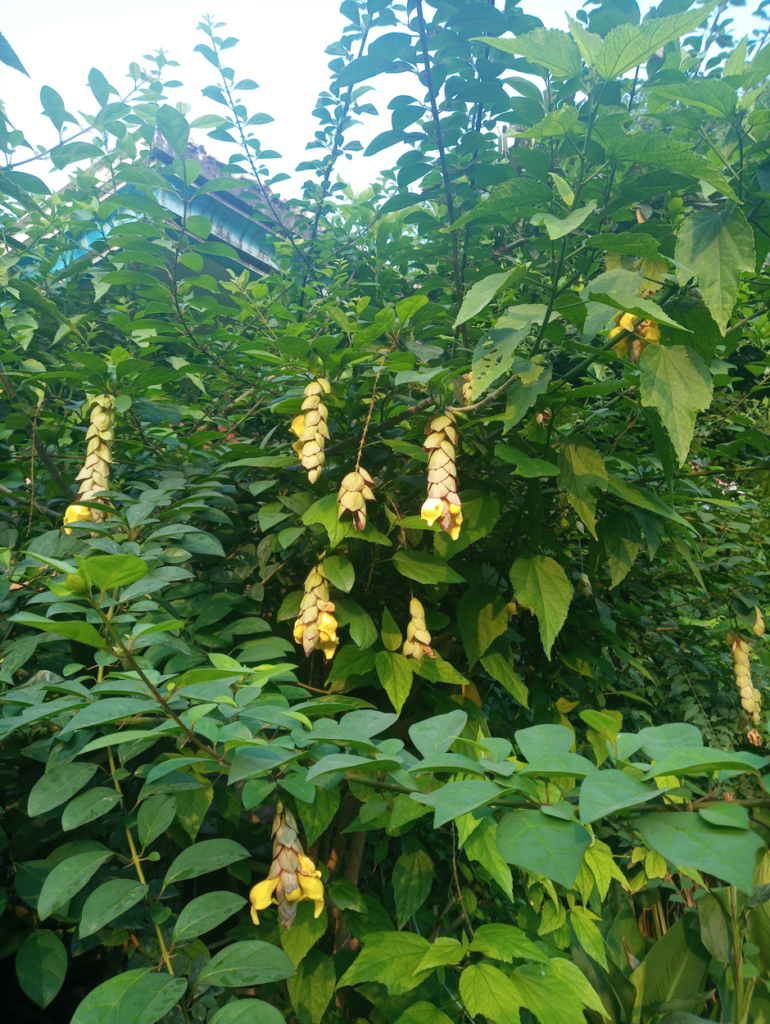
September can be unpredictable in the north. Sometimes the weather is sunny and mild while other times the heat of the summer drags on or there’s excessive rainfall. That unpredictability can be even worse in the South. You might still be plagued with excessive heat or in the path of a hurricane.
Find out what you should be doing in the garden in September, depending on where you live.
All Regions
- Turn over your compost pile one last time.
- Clean up your flower beds. Cut back perennials that are done blooming. And trim off any dead or diseased vegetation. (Do not compost anything with disease.)
- Take cuttings from plants you want to propagate.
- Continue watering plants, such as summer vegetables, that are still actively growing.
- Start bringing in houseplants that you have kept outdoors during the summers and monsoons. But first, inspect them for insects and other pests that you don’t want to bring inside.
September is a busy month for Gardeners in India as all the preparation for winter and spring blooms have to be done in this month.
Those who are not interested in spring competitions can start planting their seedlings in pots or beds now to have them blooming during Diwali.
One of the early bloomers are Marigold and Chrysanthemums for Diwali blast.
You must have sown your seeds in August and they should be ready for transplanting.
Border design tips
Remember to have a selection of plants with different seasons of interest.
Set out your plants by height, tallest at the back of the border, shortest at the front.
Vary the height along the border to avoid a uniform, blocky feel.
Set out the larger shrubs singly and evenly along the space and surround these with groups of perennials or annuals like candytufts/ petunia /viola/ pansy /Alyssum.
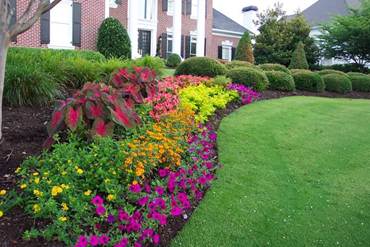
Shrubs can also be grouped in clustered groups where space allows.
Set out perennials in either single variety groups or repeated blocks of the same perennial mix.
Odd numbers give a more natural feel when planting in groups.
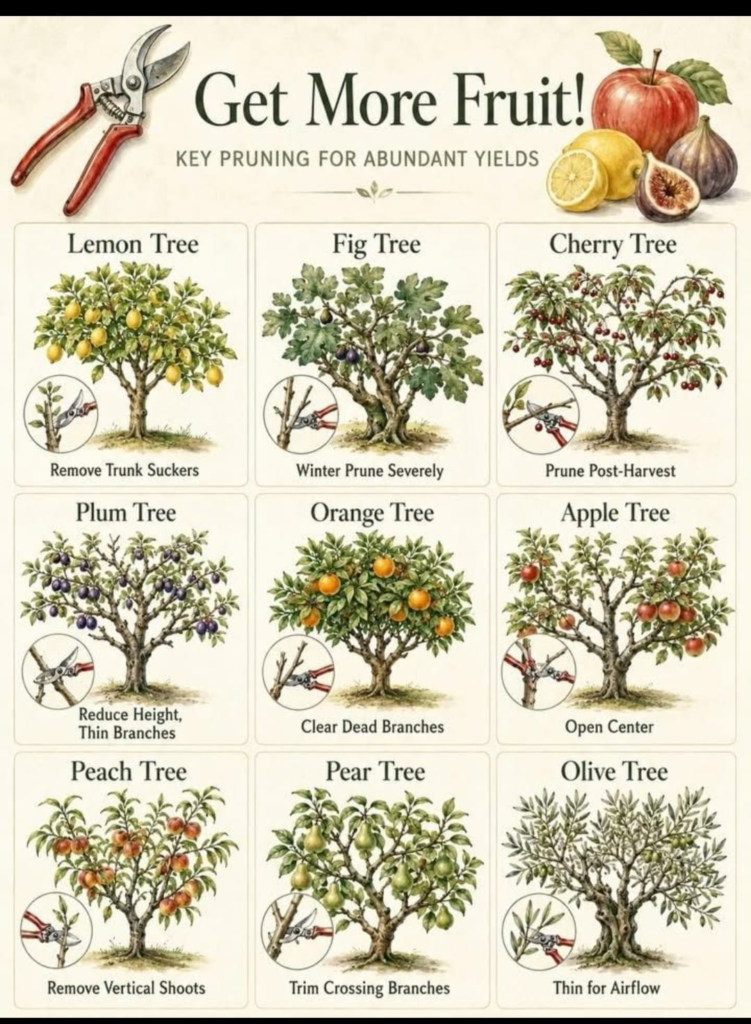
Prune:
Perennials should be cut down in autumn as their foliage dies back, Some have ornamental seed heads or foliage that can be left through winter to add interest on a frosty morning.
Most deciduous shrubs can be pruned during winter and early spring while dormant. Evergreen shrubs are best pruned in early summer. Even if you get the timing wrong you will only lose flowers for one season, so don’t panic!
Here’s a handy list of what to plant in September, along with the flowers, fruits and vegetables you can grow this month:
Sow calendula seeds , violas lupins,aconitum,Hollyhock, Salvias,larkspur
Carnations,cineraria,petunias,salvias,antirrhinum,brachycome into pots and trays outdoors and leave in an unheated greenhouse or outdoors for stunning flowers next spring.
Sow sweet peas and delphiniums this month.
A careful watch should be kept on chrysanthemums in pots.The treatment you give now will determine the quality of blooms in future.
Lawns
As the monsoon begins to recede, check the lawn for waterlogging, moss and fungal problems. Improve drainage where necessary and remove accumulated leaves and debris. Once excessive moisture has reduced, lightly aerate compacted areas and resume balanced feeding. Avoid heavy nitrogen application while the soil remains continuously wet.
Lawns will need ammonium sulphate or nitrate of soda at the close of monsoons.
Preventive measures
Keep a close watch for fungal diseases, aphids, whiteflies, caterpillars and snails after the monsoon. Good air circulation, removal of diseased leaves and avoiding unnecessary watering are the first steps towards prevention.”
Flowers
Sprinkle California poppies into your borders for stunning colour late next spring.
Direct sow Love-in-a-Mist (nigella) — it will over-winter quite happily and will self-seed prolifically.
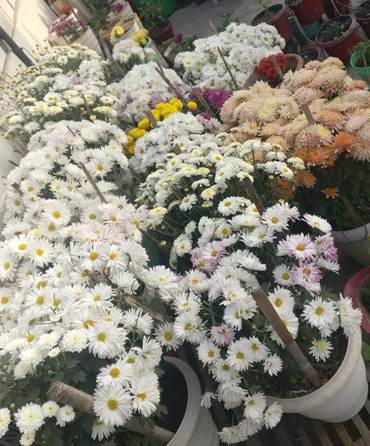
Extend the season by filling any gaps with chrysanthemums in your borders with autumn-flowering plants, such as marigold , to extend the colour to the end of the season.
Bulbs
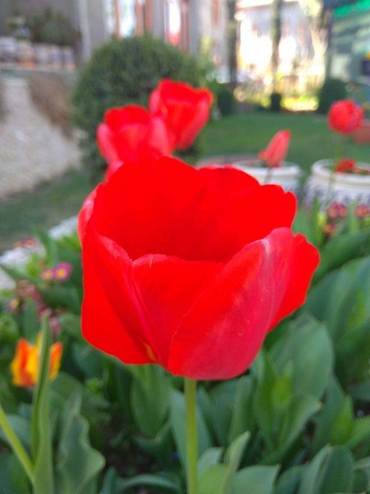
Bulbs sowing temperature should be around 25 C (this is night temperature).
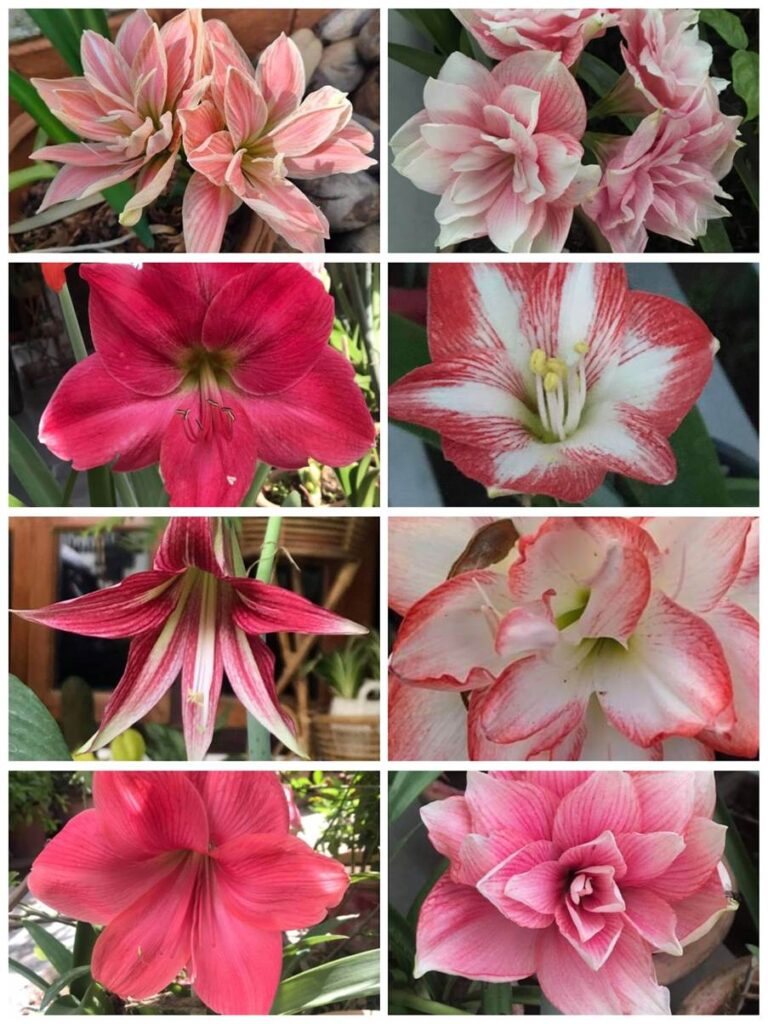
Plant hyacinth and amaryllis bulbs for forcing, to ensure a crowd of colourful blooms at Christmas and new year. Keep them in a dark, cool place like a shed or garage and bring them indoors when the shoots are 5cm tall. Perfect for a homemade Christmas present!
Plant spring-flowering bulbs, such as daffodils, crocus and hyacinths ,tulips.
Plant new perennials, trees and shrubs. Now is a good time as the soil is still warm and maybe you have the last of the monsoon showers.
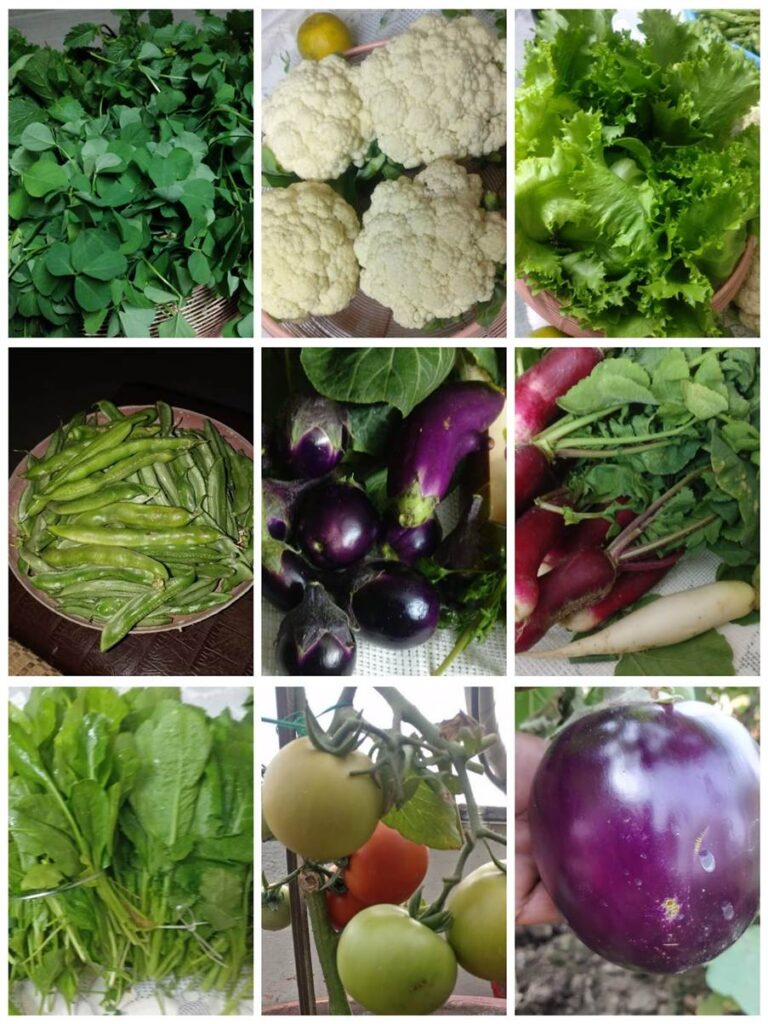
Vegetable seeds of
- Tomato🍅
- Cabbage
- Coriander
- Cauliflower
- Lettuce
- Methi/fenugreek
- Parsley
- Cilantro
- Radish
- Spinach
- Turnip
Can be sowed as the first sowing of winter vegetables ,but wait for direct sowing in pots or beds.
You can prepare the seedlings of Tomatoes,Chillies, Brinjal, cauliflower,lettuce cabbage indoors protecting them from rains.
Prepare your potting mix or beds .Add well rotted manure .
Dig holes for fruit trees you want to plant next month now.Also digging the ring around the established fruit plants for fertilisation before they go into dormancy.
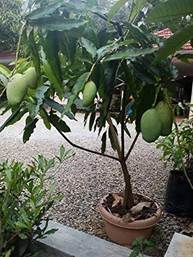
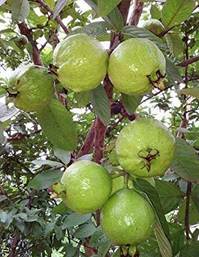
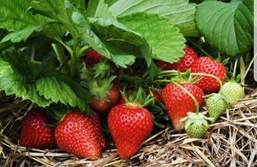
You can start strawberries too .If you have suckers from last year’s plants ,plant them in separate pots with fresh soil mix.
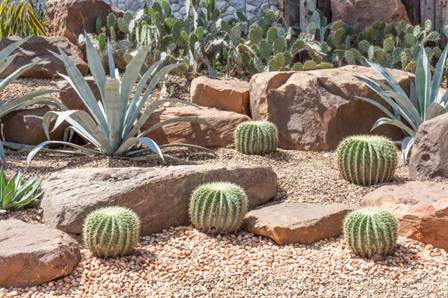
Cactus and Adeniums
Keep a close watch on cacti and Adeniums as they gradually enter their winter rest. Reduce watering as temperatures fall and, most importantly, protect them from prolonged rain and waterlogging.”
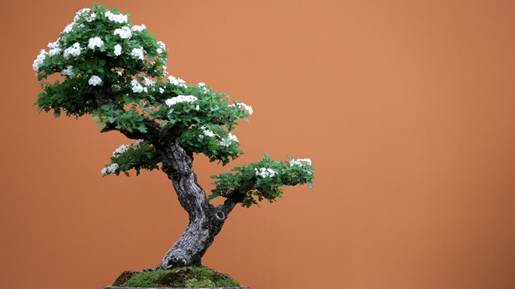
Bonsai
Regular feeding to Bonsai and ornamental plants continues.
Happy Gardening!!
Rama Tyagi
tyagirama1@gmail.com
EDIBLE GARDEN WORKSHOP
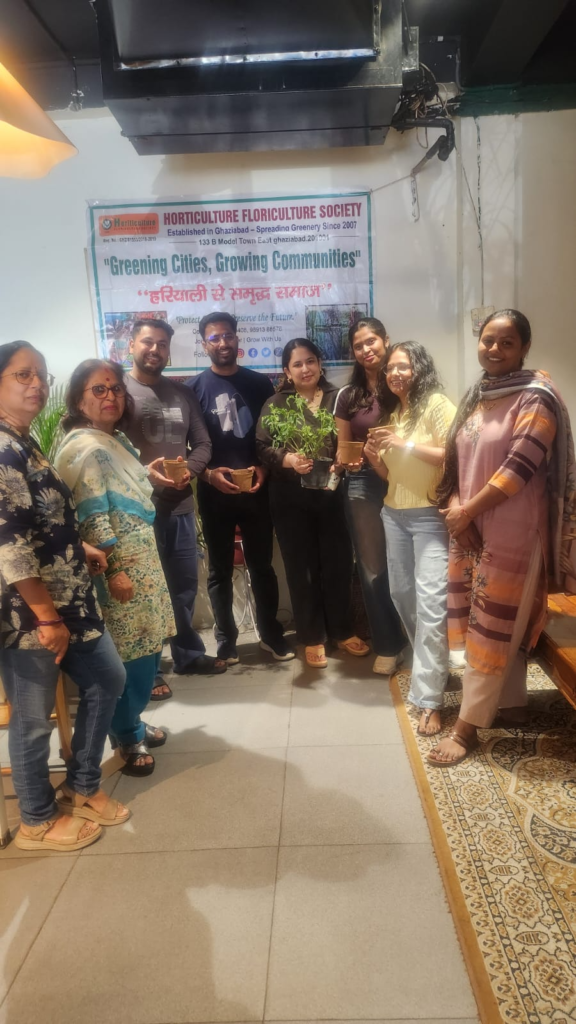
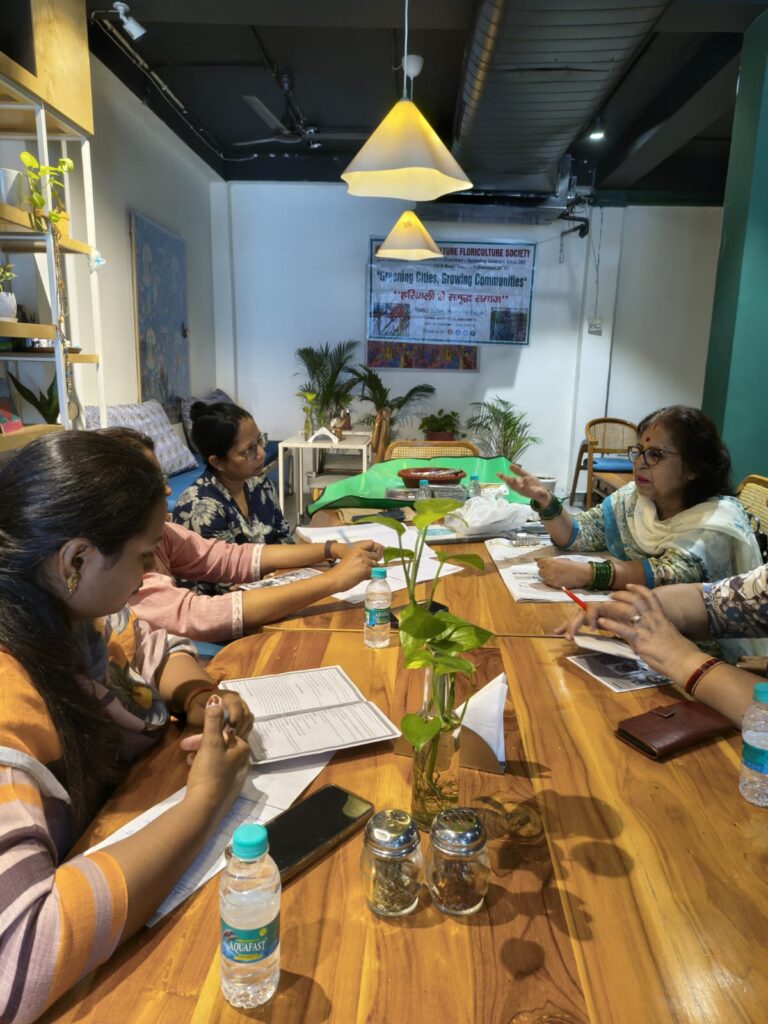
An Edible Gardening Workshop was held on 23 Aug 2026.
The session lasted for 3hrs ,
The following topics were discussed in depth.
- Introduction to soil ecology
- Different types of soil mix for container gardening
- Sowing seasons
- Pests and remedies
- Fertilizers and their application
- Seeds sowing and moon phases
अमलतास (GOLDEN SHOWER TREE)
अमलतास का पेड़ सावन में लगायें और अपने पूर्वजों की तरहं आने वाली पीढ़ी तक भी इनके लाभ पहुंचायें…
अमलतास के पेड़ के घरेलु उपयोग और इसके लाभ …
क्या आपने सड़को के किनारे अमलतास के पेड़ को देखा हैं? जी हाँ अमलतास के पेड़ न सिर्फ बगीचों एवं सड़को की खूबसूरती को बढ़ाता हैं, इसके फूल, पत्ते सभी फायदेमंद होते हैं। आइये जानते हैं अमलतास के पेड़, फूल और पत्तियों के क्या-क्या फायदे होते हैं।
अमलतास का पेड़ गर्मी पड़ने पर फूलों से भर जाता हैं और आसपास के दृश्य को सुन्दर बना देता हैं। अमलतास का पेड़ प्राचीन काल से ही आयुर्वेद में विशेष महत्व रखता हैं। गर्मियों के दिनों में अमलतास का पेड़ खूब फूलता हैं और फूलो से लद जाता हैं। लेकिन अगर इसके पेड़ को थोड़ा सा भी पानी मिल जाये तो यह फूल देना बंद कर देता हैं। यही कारण हैं की भयंकर गर्मी पड़ने पर अमलतास के पेड़ पर ज्यादा फूल खिलते हैं।
सूखी और बंजर जमीन पर भयंकर गर्मी पड़ने के बाद भी यह पेड़ दुसरे पेड़-पौधों के मुकाबले और भी ज्यादा तेज़ी के साथ फलता फूलता हैं। इस पेड़ की खासियत यह हैं की इसको देखने मात्र से मन प्रसन्न हो जाता हैं। इस पेड़ को आर्युवेद की दृष्टि में विशेष महत्व हैं। इसके फूलों के अलावा इसके बीजो का इस्तेमाल भी, न सिर्फ मानव बल्कि दूध देने वाले जानवरों की कई सारी बिमारियों को दूर करने के लिए किया जाता हैं।
भयंकर गर्मी जीव-जन्तु एवं पेड़-पौधों के लिए नुकसानदायक होती हैं। जबकि अमलतास के पेड़ के लिए भयंकर गर्मी किसी वरदान से कम नहीं होती हैं। अमलतास का पेड़ सूखी जमीन में कड़कती गर्मी में फूल देता हैं। अमलतास के पेड़ का हर हिस्सा जैसे की छाल, फूल, फल, बीज एवं पत्तियों का इस्तेमाल पुराने जमाने से ही दवाईओं के रूप में किया जाता रहा हैं। अमलतास को राजस्थानी में किरमाला भी कहा जाता हैं। इसके बीजो का प्रयोग औषिधि की तरह किया जाता हैं, जिससे कई सारी बिमारियां दूर होती हैं।
अमलतास के पेड़ से सेहत को होने वाले फायदे और घरेलु नुस्खे एवं उपाय
शरीर की रोग-प्रतिरोधक क्षमता बढ़ाए
अमलतास के पेड़ की छाल और फल दोनों में एंटीऑक्सीडेंट पाए जाते हैं। इसलिए इन्हें खाने से बॉडी की इम्युनिटी मजबूत बनती हैं।
बुखार कम करे
अमलतास की जड़ का इस्तेमाल आप बुखार कम करने के लिए कर सकते हैं। अमलतास के पेड़ की जड़ बुखार कम करने वाली टॉनिक की तरह ही कारगर होता हैं। बुखार होने पर अमलतास के गुदे की 3 ग्राम मात्रा दिन में 3 बार 6 दिनों तक लेते रहने से बुखार में आराम मिलता हैं। इससे बुखार के कारण होने वाले बदन दर्द से भी आराम मिलता हैं।
ज़ख्म जल्दी भरे
अमलतास घाव और जख्म को तेज़ी से भरने में मदद करता हैं। अमलतास की जड़ी-बूटी नए बॉडी टिश्यू का निर्माण करती हैं। इसके पत्तो के रस का इस्तेमाल प्रभावित त्वचा की ड्रेसिंग करने के लिए किया जाता हैं। इसके अलावा अमलतास की छाल से बनाए गये काढ़े से जख्मों को धोया जाता हैं, जिससे घाव में इन्फेक्शन आसानी से नहीं हो पाता हैं।
पेट की बीमारियाँ दूर करे
बच्चों के पेट में अकसर दर्द, गैस और पेट फूलने जैसी समस्याएं हो जाती हैं। इन सभी परेशानियों को दूर करने के लिए अमलतास के गुदे को नाभि के आसपास लगाने से लाभ होता हैं। यह उपचार नियमित रूप से करते रहने पर पेट की समस्याएं धीरे-धीरे करके पूरी तरह से समाप्त हो जाती हैं। इसके अलावा गुदे को अलसी के तेल या फिर बादाम के तेल के साथ मिला कर लेने से मलत्याग करने की समस्या से छुटकारा मिलता हैं।
त्वचा के लिए फायदेमंद
अमलतास के पेड़ की पत्तियां, स्किन की जलन, सूजन और दर्द को दूर करने में मदद करती हैं। अमलतास की पत्तियों को छाछ के साथ पीसकर स्किन पर लगाने से स्किन से सम्बंधित समस्याओं से छुटकारा मिलता हैं। दाद-खाज, खुजली को दूर करने के लिए अमलतास की फल्लियों के गुदे को नीम की पत्तियों के साथ पीसकर प्रभावित त्वचा पर लगाने से लाभ होता हैं।
कब्ज़ दूर करे
अमलतास के पेड़ के गुदे को रेचक के रूप में जाना जाता हैं। अमलतास के ताज़ा गुदे को बदहजमी के मरीज़ को दिया जाये तो यह बदहजमी से तुरंत आराम दिलाता हैं। 50 ग्राम अमलतास के गुदे को पूरी रात पानी में भिगो कर रखे, फिर इसमें 25 ग्राम चीनी मिला कर मिश्रण तैयार करे। इसका इस्तेमाल आप कब्ज़ दूर करने के लिए करे। अमलतास के गुदे को कच्चे जीरे के साथ मिला कर खाने से भी कब्ज़ की समस्या में फायदा होता हैं।
मलत्याग साफ़ होता हैं
अमलतास के पके फलियों को पेड़ से तोड़कर, इन्हें बालू रेत में 1 हफ्ते तक गाड़ कर रखे, फिर इसे धुप में सूखा ले। सूख जाने के बाद फलियों का गुदा निकाल कर साफ़ बर्तन में ढक कर रखे और फिर इसे दवाई की तरह प्रयोग करे। इस औषिधि से मल विकार (टॉयलेट न आने की परेशानी) दूर होती हैं। लेकिन अमलतास की औषिधि का प्रयोग हर्बल जानकार के परामर्श पर ही करे।
सर्दी-जुकाम दूर करे
अमलतास सर्दी-जुकाम दूर करने में मदद करता हैं। जलते हुए अमलतास की जड़ का धुआं बहती हुई नाक का इलाज करने में माहिर होती हैं। इसका धुआँ बहती हुई नाक को तुरंत फायदा पहुँचाता हैं। इसका रस कफ और बलगम को दूर करने में कारगर होता हैं।
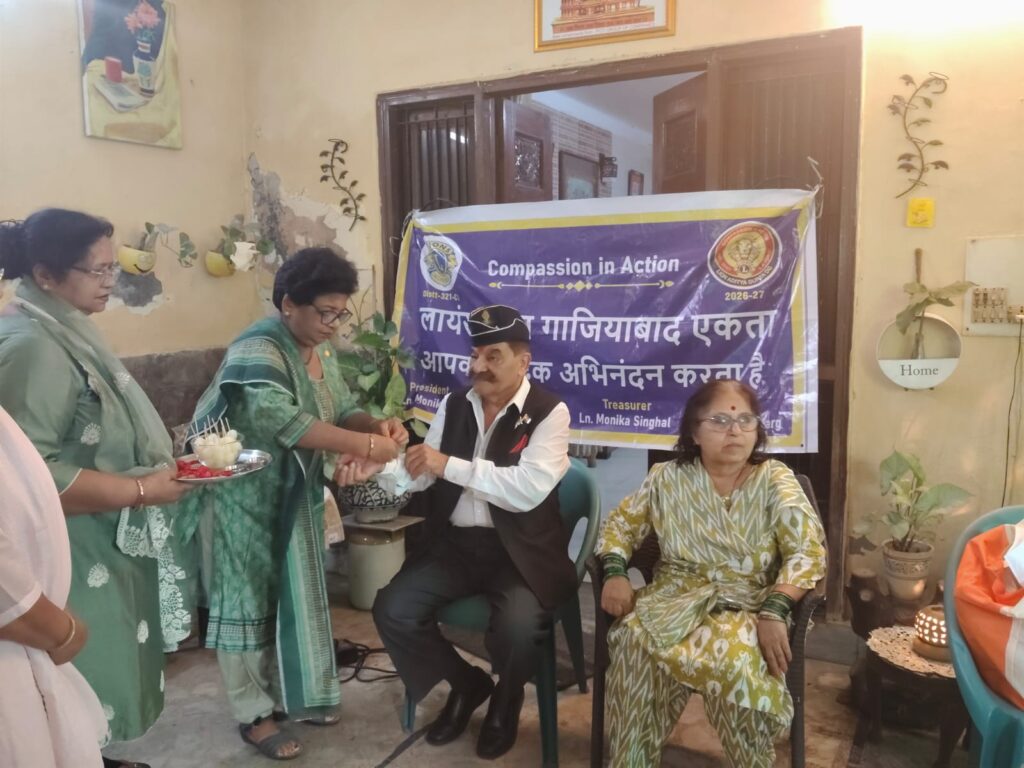
HAPPY RAKSHA BANDHAN
Hi, butterfly family! 🦋
Big Butterfly Month is back for its 7th edition this September!
BBM is a celebration of the butterflies around us — bringing together people, communities, schools, campuses and nature enthusiasts to observe, explore and celebrate butterfly diversity across India.
And as always, you are a big part of what makes BBM happen. This September, keep the celebration going in your own communities —make your observations on iNaturalist, join a walk, lead an event, or simply get more people around you to step outside and look for butterflies.
Know a school, college, community group or fellow butterfly enthusiast who would love to be part of BBM? Share this with them and help spread the word.
Be part of BBM 2026:
📸 BBM iNaturalist Project:
https://www.inaturalist.org/projects/big-butterfly-month-2026-india
Let’s make this September a celebration of butterflies, together. 🦋
FROM THE MEMBERS’ LENS