


The Urban Oasis: How India’s City Gardeners Can Cool a Warming Planet
For the past decade, we have chronicled the rise of the “Green Thumb” movement across India’s metropolitan hubs. What began as a hobby for many has matured into a vital environmental mission. As our cities—Delhi, Mumbai, Bengaluru, and Chennai—grapple with record-breaking heatwaves and unpredictable monsoons, the urban gardener is no longer just a hobbyist; they are a climate activist.
Whether it is a few pots of Tulsi and Mint on a high-rise balcony or a lush kitchen garden in a suburban backyard, these green patches are collectively mounting a defense against the global climate crisis.
1. Shattering the “Urban Heat Island” Effect
Indian cities are notoriously hotter than their rural counterparts, a phenomenon known as the Urban Heat Island (UHI) effect. Concrete and asphalt absorb solar radiation all day and bleed it back into the air at night.
Urban gardens act as natural air conditioners. Through a process called evapotranspiration, plants release water vapor into the air, which consumes heat and cools the surrounding environment. Research in cities like Bengaluru has shown that high-density rooftop gardening can reduce indoor temperatures by 2°C to 8°C. For the urban resident, this doesn’t just mean a more comfortable home; it means a significant reduction in air conditioning usage, which in turn lowers the carbon footprint of the entire building.
2. Slashing Food Miles and Carbon Footprints
Consider the journey of a single tomato. In India, it might travel 500 kilometers from a rural farm to a wholesale market, and then another 20 kilometers to your local vendor, often in non-refrigerated trucks that emit significant CO2.
By growing even 10% of their own vegetables, urban gardeners engage in “Hyper-local Agriculture.” This drastically reduces “food miles”—the distance food travels from producer to consumer. A balcony garden featuring chillies, curry leaves, and spinach (Palak) effectively eliminates the packaging waste and transport emissions associated with those items.
The Low-Carbon Plate
| Action | Environmental Impact |
|---|---|
| Composting | Diverts organic waste from landfills, preventing methane emissions. |
| Mulching | Reduces water evaporation, conserving precious urban water resources. |
| Native Planting | Requires less chemical fertilizer and supports local soil health. |
3. The Circular Economy: From Waste to Wealth
One of the most profound contributions of an urban gardener is the management of organic waste. Nearly 50-60% of Indian municipal solid waste is biodegradable. When this waste ends up in landfills, it decomposes anaerobically, releasing methane—a greenhouse gas 25 times more potent than CO2.
Urban gardeners close the loop. By turning kitchen scraps into “Black Gold” (compost), they prevent methane emissions and create a nutrient-rich medium that replaces chemical fertilizers. In cities like Mumbai, community composting initiatives led by gardeners have diverted millions of kilograms of waste from overflowing landfills.
4. Reclaiming Biodiversity: The Pollinator Highway
Urbanization often leads to “habitat fragmentation,” where green spaces are so far apart that birds and bees cannot survive. Urban gardens act as “stepping stones” or corridors for pollinators.
By planting nectar-rich flowers like Marigolds (Genda), Hibiscus, and Jasmine, Indian gardeners are sustaining dwindling populations of bees and butterflies. This urban biodiversity is crucial; without these pollinators, the larger food systems that feed our nation would eventually collapse.
5. Mental Resilience in a Changing World
Climate change isn’t just an environmental issue; it’s a mental health challenge. “Eco-anxiety” is real among the youth in India’s cities. Gardening provides a tangible way to fight back. It fosters a sense of agency—the knowledge that you are contributing to a “Green Planet.” This psychological resilience is what will sustain our communities as we navigate the challenges of the 21st century.
Conclusion: A Call to Action
To the chief editor and our readers: every leaf counts. You don’t need an acre of land to be a climate hero. You need a pot, some seeds, and the will to grow. As India moves toward its goal of Net Zero by 2070, it won’t just be large-scale solar farms that get us there—it will be the millions of small, green oases on our balconies and in our backyards.
Let’s keep growing. For the planet, and for ourselves.
(with the help of AI)

Gardening in April 2026
? Planning a Season-Long Blooming Garden
Perennials are a must-have in any garden because of their remarkable ability to return year after year, often growing stronger and more beautiful with age. However, unlike annuals that can bloom continuously for months, most perennials have a relatively short flowering period — lasting from a few days to a few weeks.
The secret to maintaining a vibrant, flower-filled garden throughout the seasons lies in careful planning. By selecting perennials with staggered bloom times, you can ensure that something is always in flower from spring through fall.
Don’t hesitate to plant generously. While a few annuals can provide continuous colour, a perennial garden needs a diverse mix of varieties to maintain visual interest across seasons. A thoughtfully layered planting plan creates a dynamic and ever-changing landscape.
? What to Do in the Garden This Month
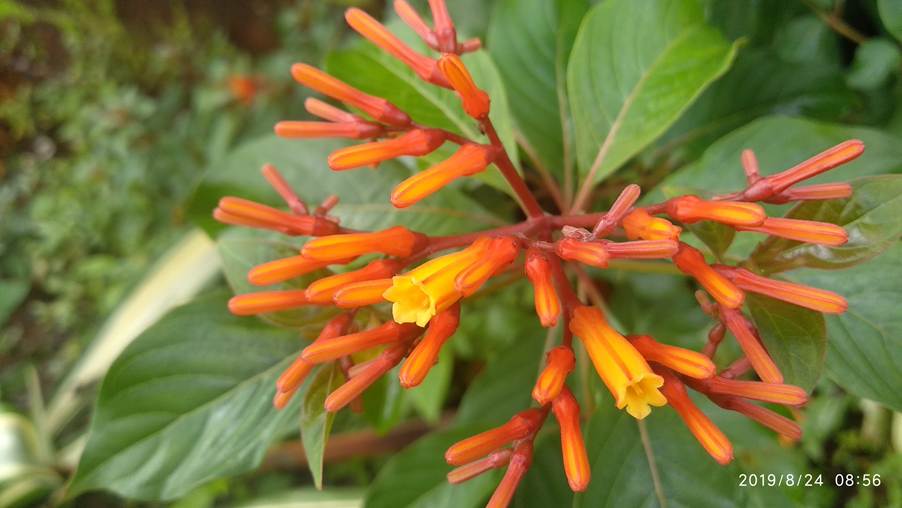
? Propagation of Shrubs: Cuttings and seeds of shrubs that were not sown in March can still be propagated in early April. This is an ideal time to take cuttings of:
- Hamelia patens
- Buddleja madagascariensis
- Buddleja asiatica
- Acalypha
- Duranta
- Hibiscus
- Bougainvillea
- Petrea
- Eranthemum
- Dombeya
- Lantana
- Tecoma stans
- Murraya exotica
- Cassia
- Plumbago
- Barleria

? Sowing Summer Annuals
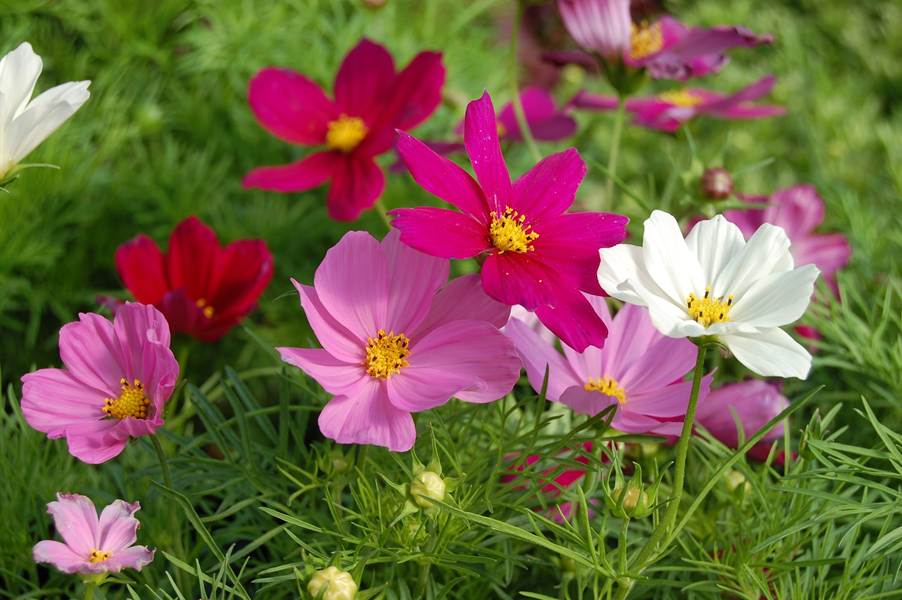
You can still sow seeds of summer annual flowers and foliage plants this month:
- Zinnia
- Sunflower
- Gaillardia
- Gomphrena
- Tithonia
- Rudbeckia
- Cosmos
- Marigold
- Hollyhock
- Kochia
- Portulaca / Purslane
- Coleus
- Roselle



? Care of Established Shrubs
Established shrubs require special attention during this period. After pruning, apply liberal quantities of well-rotted manure to:
- Jasmine
- Night Queen (Raat Rani)
- Plumeria
- Hibiscus
- Oleander
This helps rejuvenate plants and encourages healthy flowering.

? Bulbs and Rhizomes
Cannas will be at their peak and can also be propagated now. Summer bulbs that can still be planted include:
- Caladium
- Football Lily
- Gloriosa Lily
- Ginger Lily
- Day Lily
- Crinum
- Lycoris
- Tuberose (Rajnigandha)
- Costus
? Seed Collection & Storage
Seeds of winter annuals should now be:
- Collected carefully
- Cleaned and dried
- Properly labelled
For exhibition purposes, it is advisable to purchase fresh seeds of:
- Aster
- Carnation
- Cineraria
- Clarkia
- Hybrid Dahlia
- Godetia
- Nasturtium
- Nemesia
- Marigold
- Pansy
- Stocks
Other varieties can be safely stored.
Important Tips:
- Never dry seeds in direct sunlight — it reduces viability.
- Store only after thorough drying and cleaning.
- Use airtight containers and seal properly.
- Add silica gel or seed-protecting powder.
- Label with colour, species, and height for future reference.
? General Garden Care
- Repot or fertilize foliage plants growing in pots.
- Transplant chrysanthemums into 6-inch pots and keep them in sunny locations.
- Prepare pots and hanging baskets for upcoming seedlings.
- Plan ahead for sowing sweet peas.
? Final Note
A beautiful garden is not created in a day — it is planned thoughtfully and nurtured with care through every season. By combining perennials, seasonal flowers, and timely gardening practices, you can enjoy a garden that remains colourful and lively all year round.
Happy Gardening! ?
— Rama Tyagi
? tyagirama1@gmail.com
Why Every Urban Home Needs a Rooftop Farm ??️
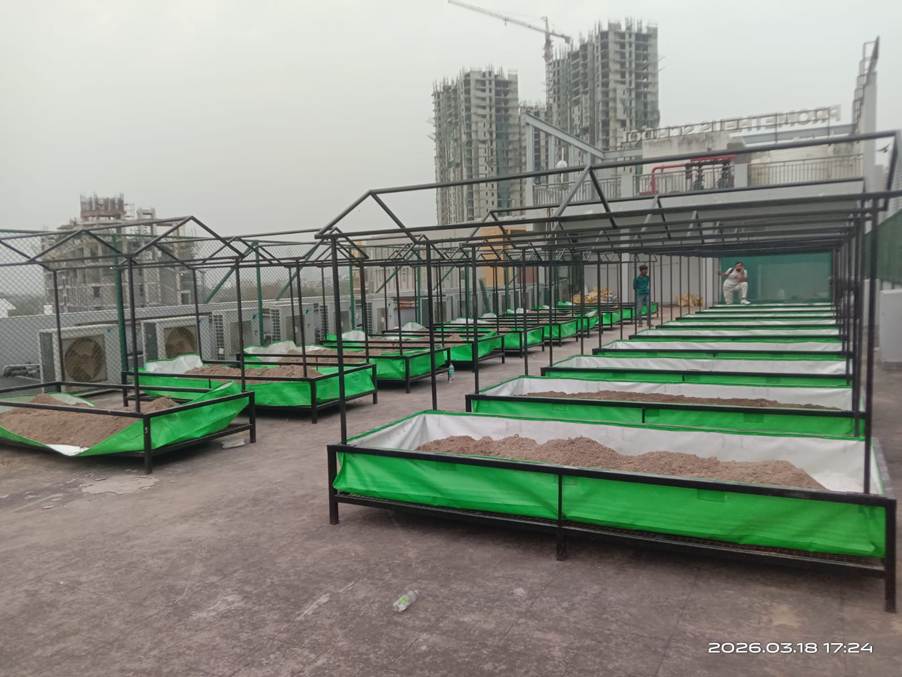
Rooftop farming is emerging as one of the most effective urban solutions to transform idle terraces into productive green spaces. It not only provides fresh, chemical-free, zero-mile produce but also helps in naturally cooling buildings and reducing energy consumption. By adopting modern and smart gardening techniques such as vertical gardening and hydroponics, every household can contribute to food security and a healthier, more sustainable planet.

Transforming your terrace into a green lung is not just a lifestyle choice—it is a step toward self-reliance and environmental responsibility. Rooftop farming offers continuous access to fresh vegetables, improves air quality, reduces heat, and promotes sustainable urban living.
Technical Blueprint for Successful Rooftop Farming ?
1. Space Requirements (Area Categorization)

There is no fixed minimum space required for rooftop farming. It depends on your needs and goals:
Small Setup (50–100 sq. ft.)
Ideal for balconies or compact terraces. Suitable for growing leafy greens like coriander, spinach, mint, and chilies—sufficient for a family of 4–5.
Medium Setup (200–500 sq. ft.)
Supports a wider variety of vegetables such as tomatoes, eggplant, okra, and climbers like bottle gourd and pumpkin.

Large/Commercial Setup (1000+ sq. ft.)
A well-managed 1000 sq. ft. terrace can yield approximately 15–20 kg of vegetables per month, making it suitable for large families or small-scale distribution.
2. Structural Load Capacity: Before starting, ensuring the safety and strength of the roof is essential.
Weight Factor: Wet soil is heavy, and most roofs typically support around 150–200 kg per square meter.
Solution: Use lightweight growing media such as cocopeat and vermiculite instead of heavy soil. Prefer grow bags over cement pots to reduce load.
3. Root Depth Requirements (Container Selection)
Different crops require different soil depths for healthy growth:
- Shallow Rooted (6–9 inches): Coriander, spinach, fenugreek, mint
- Medium Rooted (10–15 inches): Tomato, chili, capsicum, eggplant
- Deep Rooted (18–24 inches): Bottle gourd, bitter gourd, pumpkin (climbers)
4. Space Management Techniques
Maximize productivity even in limited areas using modern methods:
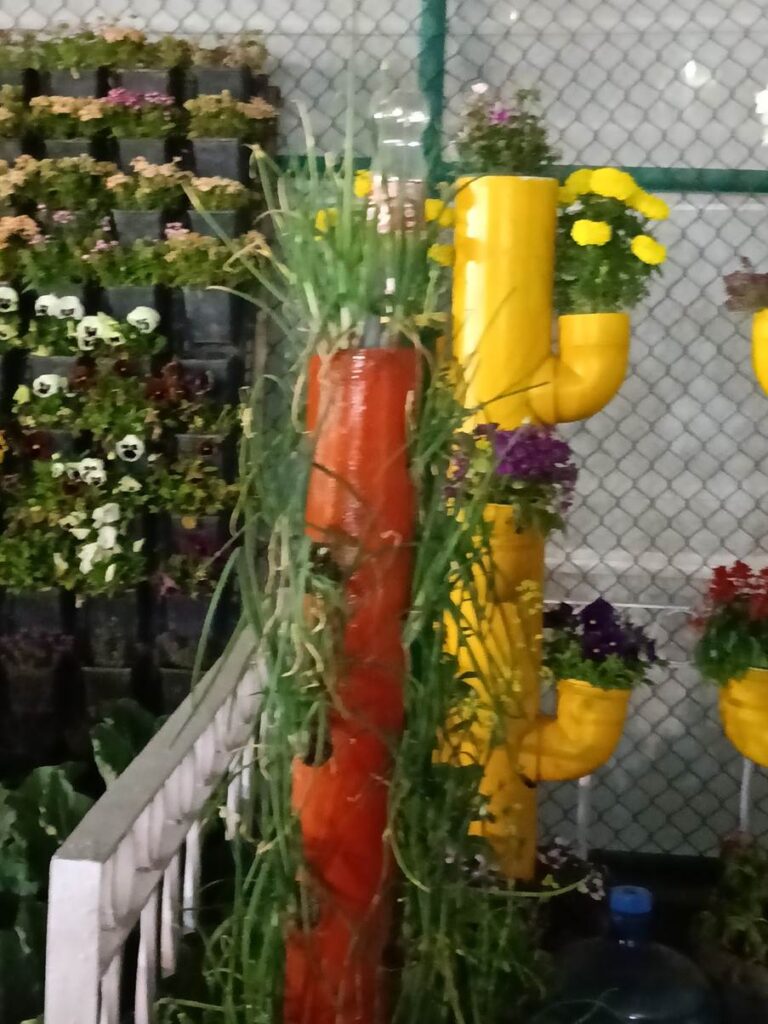
- Vertical Gardening: Use wall planters or multi-tier stands to save up to 60–70% floor space.
- Hydroponics: A soil-less method using nutrient-rich water, capable of producing significantly higher yields in limited space.
- Square Foot Gardening: Divide space into small sections (1×1 ft) to grow different crops efficiently and ensure full utilization.
5. Essential Safety & Maintenance
- Waterproofing: Apply a high-quality waterproof coating to prevent seepage and structural damage.
- Sunlight: Ensure at least 6–8 hours of direct sunlight daily for most vegetables.
- Drainage: Use trays or stands under pots to allow excess water to drain properly and avoid water accumulation on the roof.
Conclusion ?
Rooftop farming is not just about growing food—it is about creating a sustainable lifestyle. It connects people with nature, improves health, reduces environmental impact, and transforms unused urban spaces into productive ecosystems. With the right planning and techniques, every terrace can become a thriving green space that nourishes both the family and the environment.
6. Every household can contribute to food security and a healthier, more sustainable planet.
Transforming your terrace into a green lung is not just a lifestyle choice—it is a step toward self-reliance and environmental responsibility. Rooftop farming offers continuous access to fresh vegetables, improves air quality, reduces heat, and promotes sustainable urban living.
Happy Gardening
Rama Tyagi
tyagirama 1@gmail. Com

Leaf Miner Insect: Life Cycle, Damage and Management
Leaf miners are among the most common and troublesome pests in gardens, particularly in vegetable crops and ornamental plants. Their presence is easily recognized by the characteristic winding or zigzag trails on leaves. Understanding their life cycle is essential for effective control.
What are Leaf Miners?
Leaf miners are the larval stage of small flies, moths, or beetles that live and feed inside leaf tissues. Unlike external feeders, they remain protected within the leaf, making them difficult to control.
Favourable Conditions for Infestation
Leaf miner incidence increases under the following conditions:
- Warm temperatures
- High humidity
- Availability of host crops
- Monoculture cropping
- Presence of plant debris
- Excessive use of pesticides (which kills natural enemies)
Life Cycle of Leaf Miner
Leaf miners undergo complete metamorphosis with four stages: egg, larva, pupa, and adult. The entire cycle is usually completed within 2 to 4 weeks, depending on environmental conditions.
1. Egg Stage
Location: Eggs are laid on the underside of leaves, often near the midrib
Appearance: Tiny, oval, white eggs, barely visible
Duration: 2 to 6 days
This is a short but critical stage where early detection can prevent infestation.
2. Larval Stage (Most Damaging Stage)
- Feeding: Larvae enter the leaf immediately after hatching
- Activity: Feed between upper and lower leaf surfaces
- Damage: Create serpentine or blotch-like tunnels
- Growth: Mines widen as larvae grow
- Duration: 1 to 3 weeks
- Exit: Mature larvae cut an exit slit and leave the leaf
This stage causes maximum damage by reducing the leaf’s photosynthetic capacity.
3. Pupal Stage
- Location: Mostly in soil; sometimes on leaves
- Appearance: Small, oval, yellow to dark brown pupae
- Duration: 7 to 14 days
Note: Pupae can survive in soil during unfavorable conditions
This stage is important for breaking the life cycle through soil management.
4. Adult Stage
- Appearance: Small flies, usually yellow and black
- Feeding: On nectar or plant sap, leaving puncture marks
- Reproduction: Females lay 160–250 eggs
- Impact: Rapid multiplication leads to multiple generations
Key Characteristics
Rapid life cycle (as short as 2 weeks)
- Multiple overlapping generations
- Larvae protected inside leaves
- Difficult to control once established
Damage Caused by Leaf Miners
- Zigzag or serpentine tunnels on leaves
- Reduced photosynthesis
- Yellowing and drying of leaves
- Premature leaf drop
- Weak plant growth and reduced yield
Major Species of Leaf Miners
- Liriomyza spp. – Highly destructive, affects vegetables and ornamentals
- Chromatomyia horticola – Common in peas, beans, potato
- Tuta absoluta – Serious pest of tomato (leaves, stems, fruits)
- Phyllocnistis citrella – Citrus leaf miner
- Pegomya hyoscyami – Affects spinach and radish
Host Crops
Leaf miners attack a wide range of crops: Tomato, potato, okra, citrus, spinach, pepper, peas, beans, beetroot, cucurbits, and cruciferous vegetables.
Management and Control
1. Cultural Practices
- Remove and destroy infested leaves early
- Avoid excess nitrogen fertilization
- Maintain overall plant health
- Remove weeds (alternate host plants)
2. Soil Management
- Lightly cultivate soil to expose pupae
- Practice soil solarization in severe cases
3. Biological Control
- Encourage natural enemies like parasitic wasps
- Avoid unnecessary pesticide sprays that kill beneficial insects
4. Preventive Measures
- Regular inspection of leaves (especially underside)
- Use yellow sticky traps to monitor adults
- Cover young plants with nets or row covers
- Maintain garden sanitation (remove plant debris)
5. Treatment (When Infestation Appears)
- Spray Neem Oil / NSKE (5%) at early stage
- Use Spinosad for effective larval control
- In severe cases, apply Abamectin (as per recommended dose)
- Spray during morning or evening
- Ensure complete coverage of both sides of leaves
Conclusion
Leaf miners may appear small, but their impact on plant health can be significant due to their hidden feeding habit and rapid reproduction. The key to effective control lies in early detection and breaking the life cycle, especially by targeting the larval and pupal stages through an integrated approach combining cultural, biological, and need-based treatments.







? Peac? Peace Lily in NCR Summers: Grace Under Heat

In the quiet corners of our homes, the Peace Lily (Spathiphyllum) stands as a symbol of calm—its glossy green leaves and pristine white blooms bringing a sense of serenity. This is also one of the best loved plants as an air purifier. Yet, when the fierce North Indian summer arrives, with temperatures soaring up to 45°C, this tropical beauty quietly struggles.
Unlike hardy outdoor plants, the peace lily is a forest dweller by nature. It thrives in filtered light, consistent moisture, and humid air—conditions far removed from the dry, scorching winds of NCR summers. And yet, with a little understanding, it can continue to flourish even in these extremes.
?️ When Heat Becomes Stress
As temperatures climb beyond 35°C, the peace lily begins to show signs of discomfort. Leaves lose their firmness, tips turn brown, and the plant may wilt suddenly—even when the soil appears moist. This is not merely a watering issue, but a response to heat stress and low humidity.
In NCR, where hot winds rapidly strip moisture from both soil and air, the plant’s natural balance is disrupted. The key is not just to water more, but to protect and cushion the plant from the harsh environment.
☀️ Light: Less Is More
One of the most common mistakes in summer is exposing the peace lily to too much light. While it enjoys brightness, it must always be indirect and gentle.
A position near an east-facing window, where soft morning light filters in, works beautifully. Harsh afternoon sun, especially from west-facing windows or balconies, can scorch its delicate leaves within hours. In summer, moving the plant slightly deeper indoors often makes all the difference.
? Watering: Finding the Balance
In extreme heat, soil tends to dry quickly, and the peace lily may need watering every two to three days. But overcompensation can be just as harmful as neglect.
The plant prefers evenly moist soil, not waterlogged conditions. A simple rule works well: check the top layer—if it feels dry to touch, it is time to water. Early morning watering allows the plant to hydrate before the day’s heat intensifies.
? The Missing Element: Humidity
Perhaps the greatest challenge in NCR summers is not temperature alone, but the dryness of the air. Peace lilies, accustomed to rainforest humidity, struggle in this arid environment.
Brown leaf tips are often the first sign. Regular misting in the morning, placing the pot on a tray of moist pebbles, or grouping it with other plants can gently raise humidity levels. Even placing it near a kitchen or bathroom window can create a more favorable microclimate.
? Roots Matter
While much attention goes to leaves, the roots silently bear the brunt of summer heat. Using a well-draining, airy soil mix helps prevent stress. Double potting or using ceramic containers can insulate roots from excessive heat, especially when floors and surfaces become warm.
? Feeding with Restraint
Summer is not a time for heavy feeding. A light application of compost or diluted liquid fertilizer once a month is sufficient. Overfeeding during heat can do more harm than good, leading to root burn and further stress.
? A Season of Survival, Not Bloom
It is important to accept that during peak summer, the peace lily may pause its flowering. This is natural. The plant redirects its energy towards survival rather than blooming.
Healthy green foliage during this period is itself a sign of success.
? Creating a Summer Refuge
Caring for a peace lily in NCR summers is less about routine and more about creating a refuge. A slightly cooler indoor corner, softened light, consistent moisture, and a touch of humidity together recreate the environment it calls home.
In doing so, the plant not only survives but continues to lend its quiet elegance to our living spaces.
? Closing Thought
The peace lily teaches us a gentle lesson—it does not demand much, only the right conditions. In the harshest of summers, when nurtured thoughtfully, it remains a reminder that grace can endure even in adversity.
Lily in NCR Summers: Grace Under Heat
In the quiet corners of our homes, the Peace Lily (Spathiphyllum) stands as a symbol of calm—its glossy green leaves and pristine white blooms bringing a sense of serenity. Yet, when the fierce North Indian summer arrives, with temperatures soaring up to 45°C, this tropical beauty quietly struggles.
Unlike hardy outdoor plants, the peace lily is a forest dweller by nature. It thrives in filtered light, consistent moisture, and humid air—conditions far removed from the dry, scorching winds of NCR summers. And yet, with a little understanding, it can continue to flourish even in these extremes.
?️ When Heat Becomes Stress
As temperatures climb beyond 35°C, the peace lily begins to show signs of discomfort. Leaves lose their firmness, tips turn brown, and the plant may wilt suddenly—even when the soil appears moist. This is not merely a watering issue, but a response to heat stress and low humidity.
In NCR, where hot winds rapidly strip moisture from both soil and air, the plant’s natural balance is disrupted. The key is not just to water more, but to protect and cushion the plant from the harsh environment.
☀️ Light: Less Is More
One of the most common mistakes in summer is exposing the peace lily to too much light. While it enjoys brightness, it must always be indirect and gentle.
A position near an east-facing window, where soft morning light filters in, works beautifully. Harsh afternoon sun, especially from west-facing windows or balconies, can scorch its delicate leaves within hours. In summer, moving the plant slightly deeper indoors often makes all the difference.
? Watering: Finding the Balance
In extreme heat, soil tends to dry quickly, and the peace lily may need watering every two to three days. But overcompensation can be just as harmful as neglect.
The plant prefers evenly moist soil, not waterlogged conditions. A simple rule works well: check the top layer—if it feels dry to touch, it is time to water. Early morning watering allows the plant to hydrate before the day’s heat intensifies.
? The Missing Element: Humidity
Perhaps the greatest challenge in NCR summers is not temperature alone, but the dryness of the air. Peace lilies, accustomed to rainforest humidity, struggle in this arid environment.
Brown leaf tips are often the first sign. Regular misting in the morning, placing the pot on a tray of moist pebbles, or grouping it with other plants can gently raise humidity levels. Even placing it near a kitchen or bathroom window can create a more favorable microclimate.
? Roots Matter
While much attention goes to leaves, the roots silently bear the brunt of summer heat. Using a well-draining, airy soil mix helps prevent stress. Double potting or using ceramic containers can insulate roots from excessive heat, especially when floors and surfaces become warm.
? Feeding with Restraint
Summer is not a time for heavy feeding. A light application of compost or diluted liquid fertilizer once a month is sufficient. Overfeeding during heat can do more harm than good, leading to root burn and further stress.

? A Season of Survival, Not Bloom
It is important to accept that during peak summer, the peace lily may pause its flowering. This is natural. The plant redirects its energy towards survival rather than blooming.
Healthy green foliage during this period is itself a sign of success.
? Creating a Summer Refuge
Caring for a peace lily in NCR summers is less about routine and more about creating a refuge. A slightly cooler indoor corner, softened light, consistent moisture, and a touch of humidity together recreate the environment it calls home.
In doing so, the plant not only survives but continues to lend its quiet elegance to our living spaces.
? Closing Thought
The peace lily teaches us a gentle lesson—it does not demand much, only the right conditions. In the harshest of summers, when nurtured thoughtfully, it remains a reminder that grace can endure even in adversity.